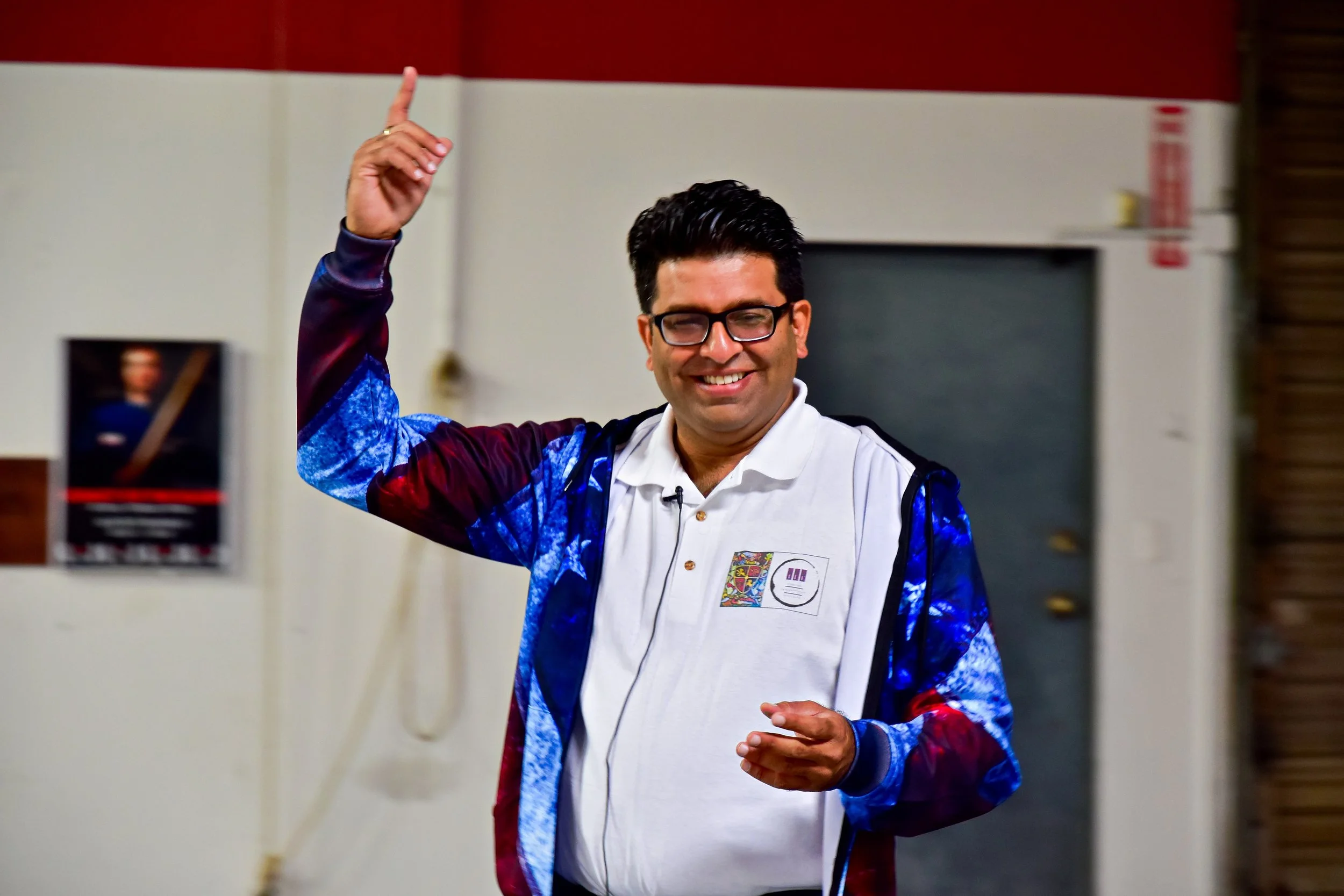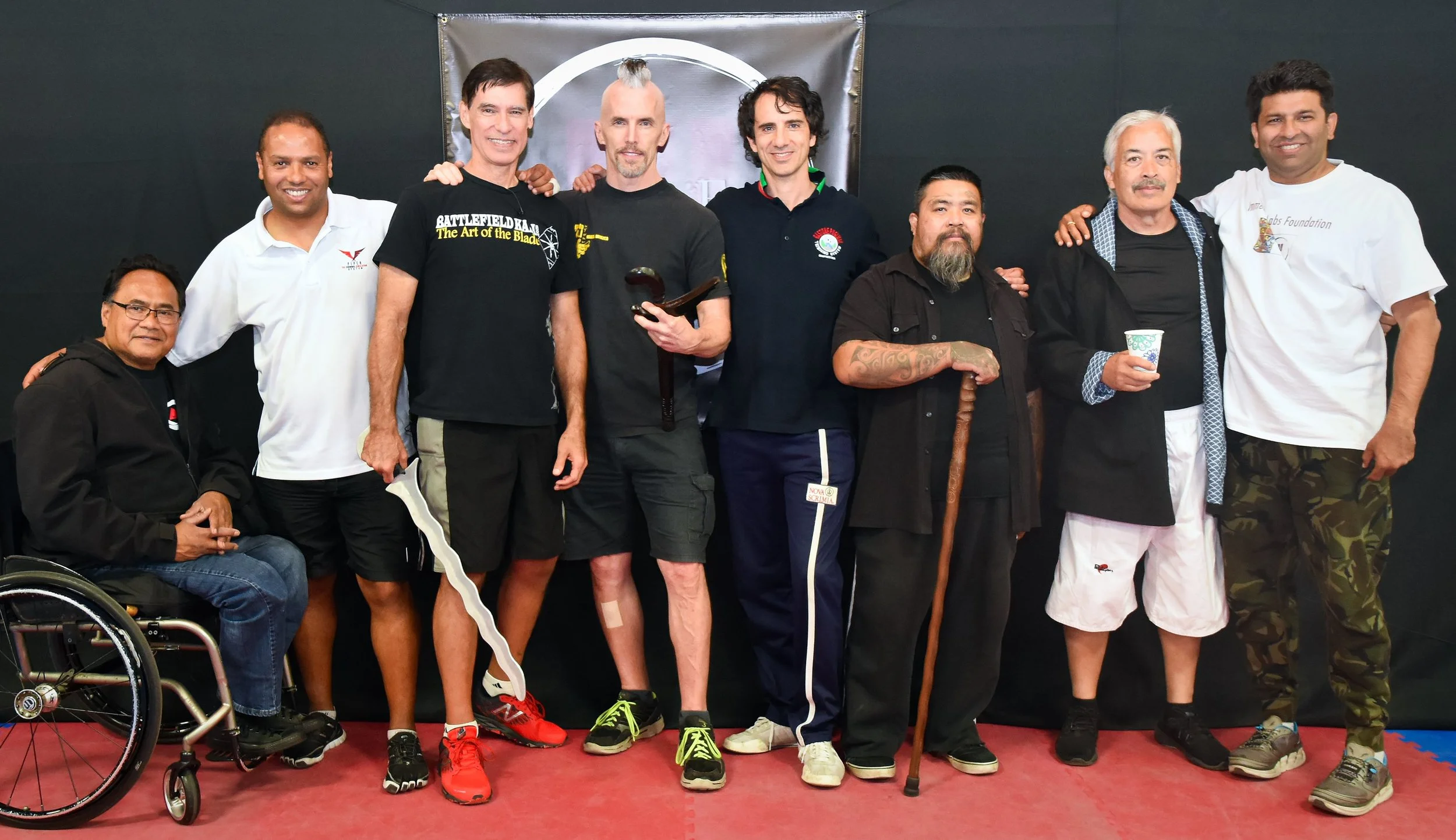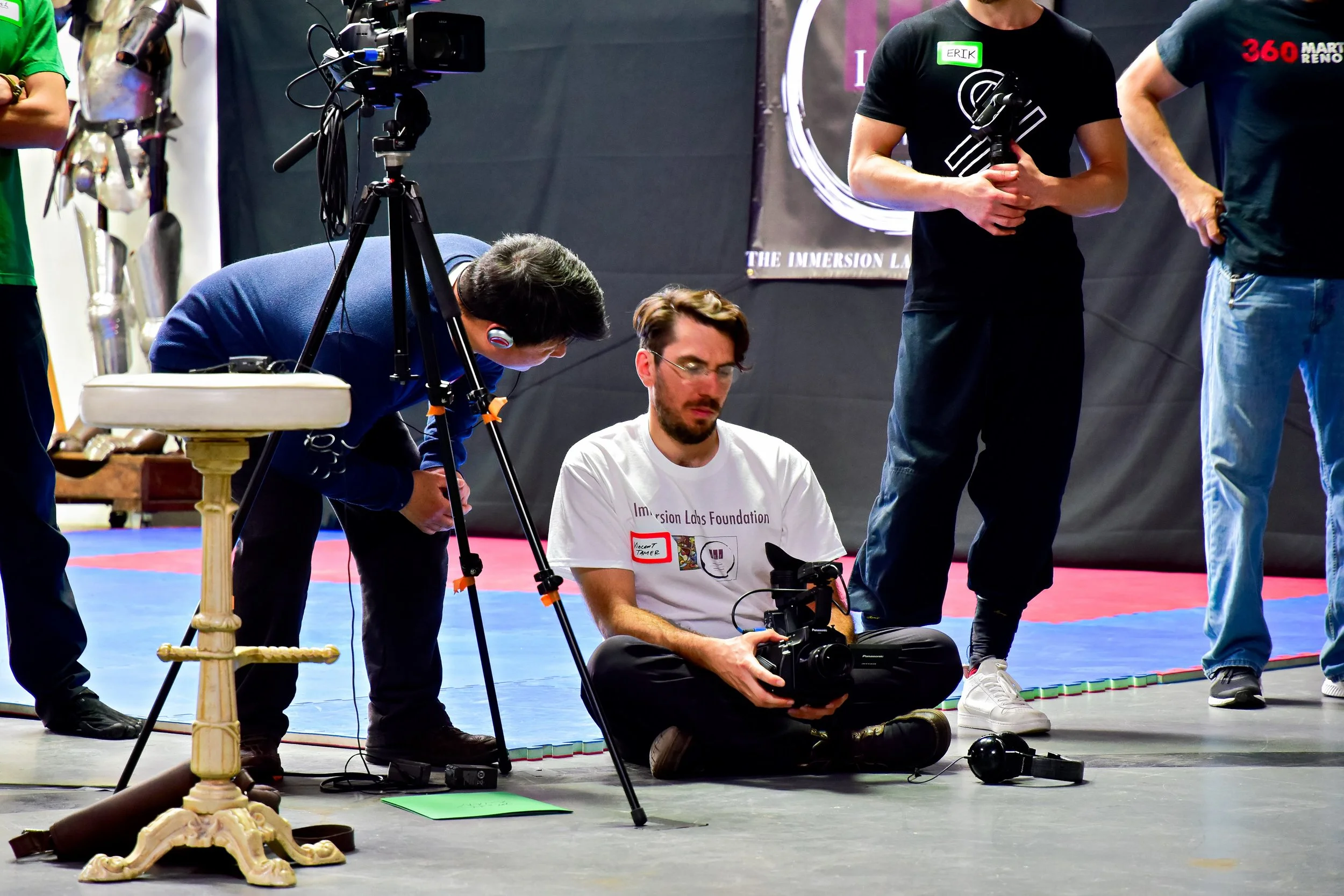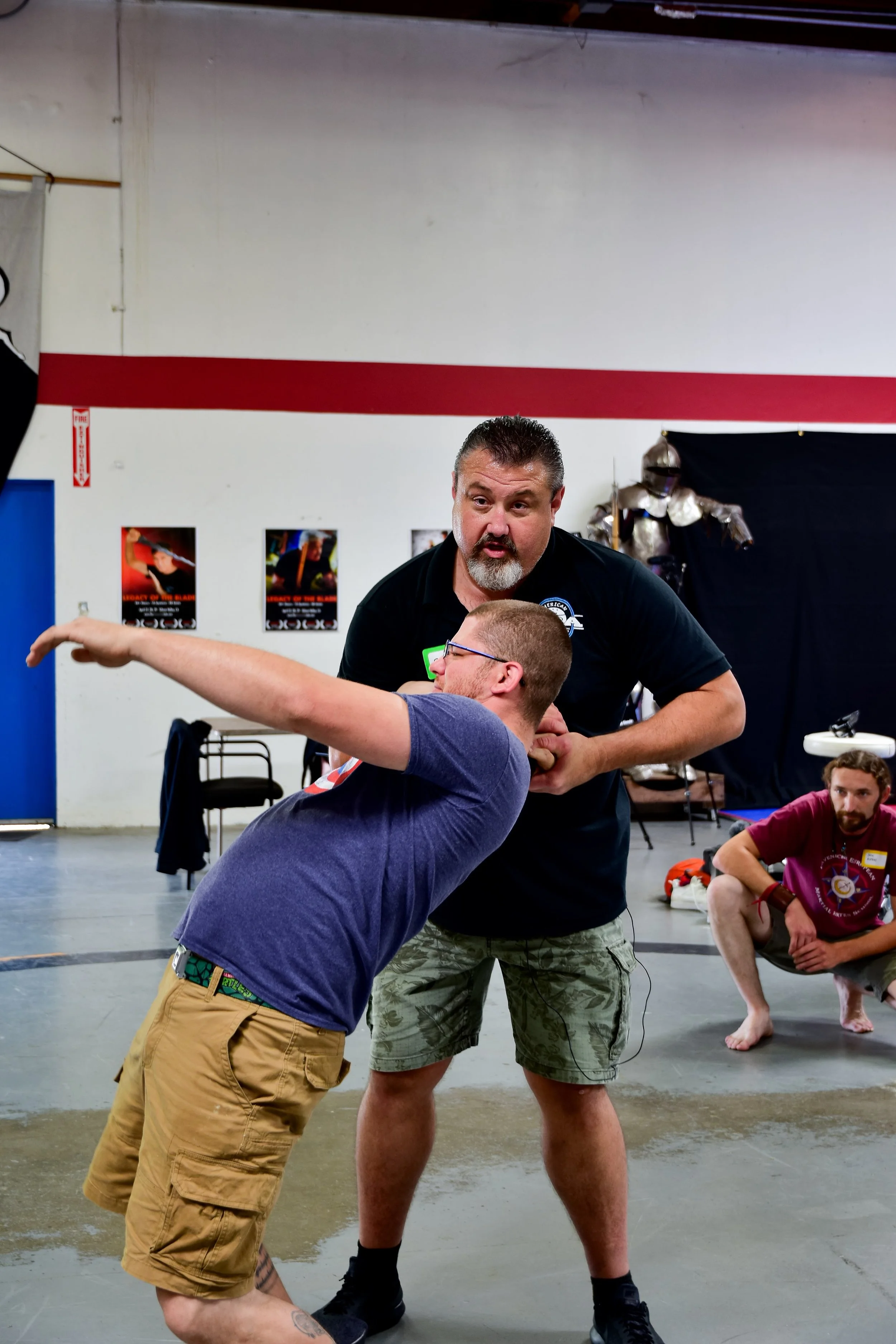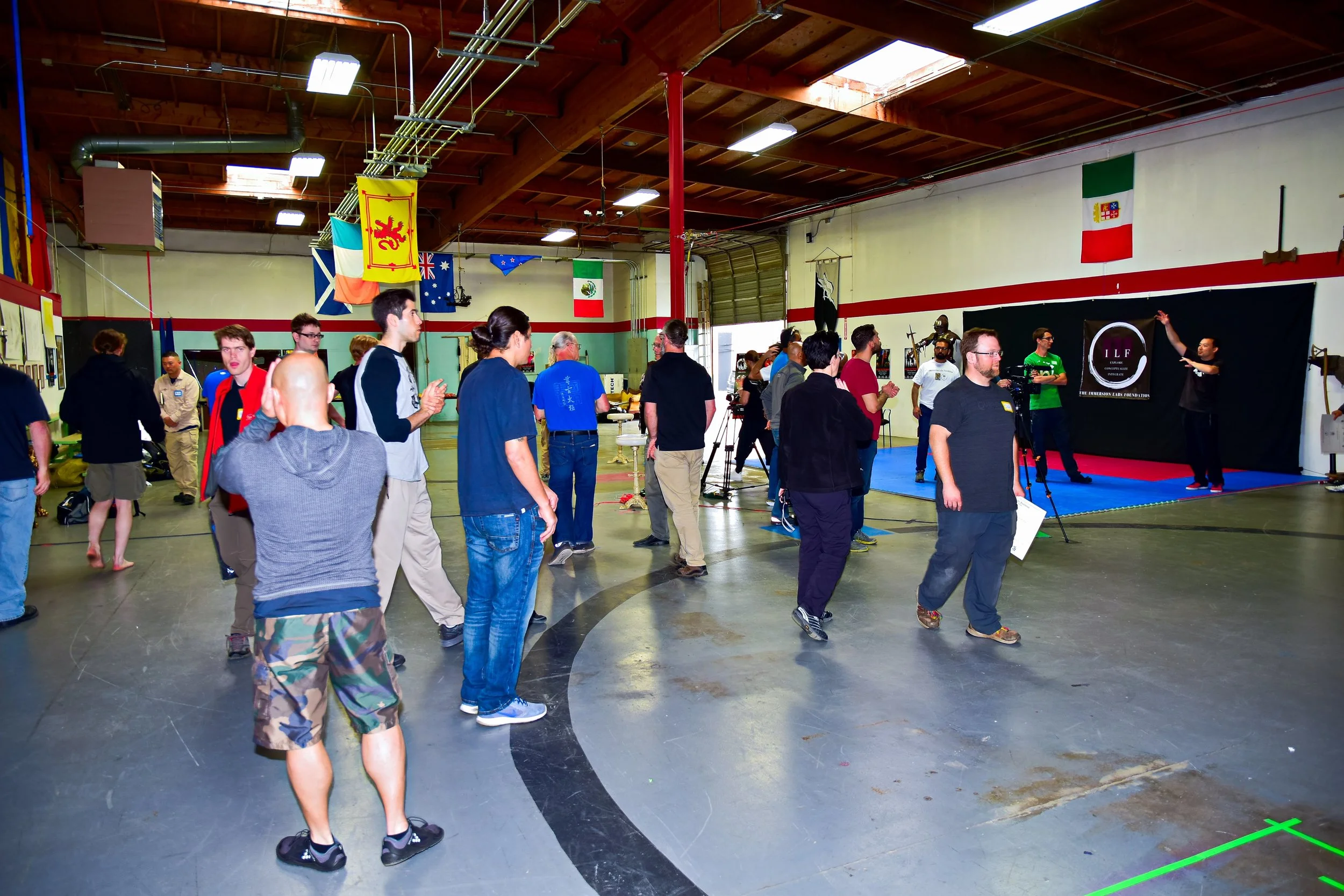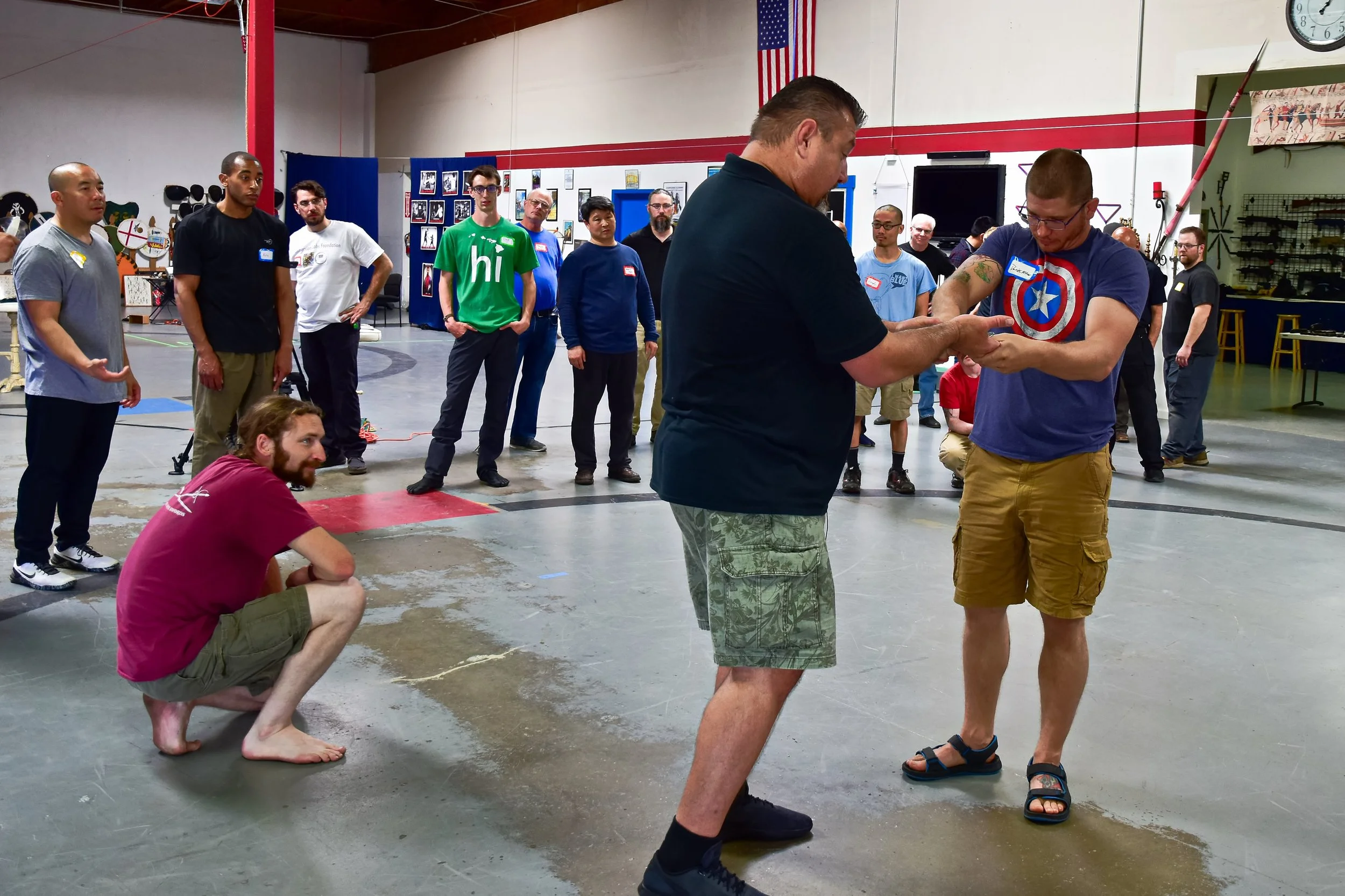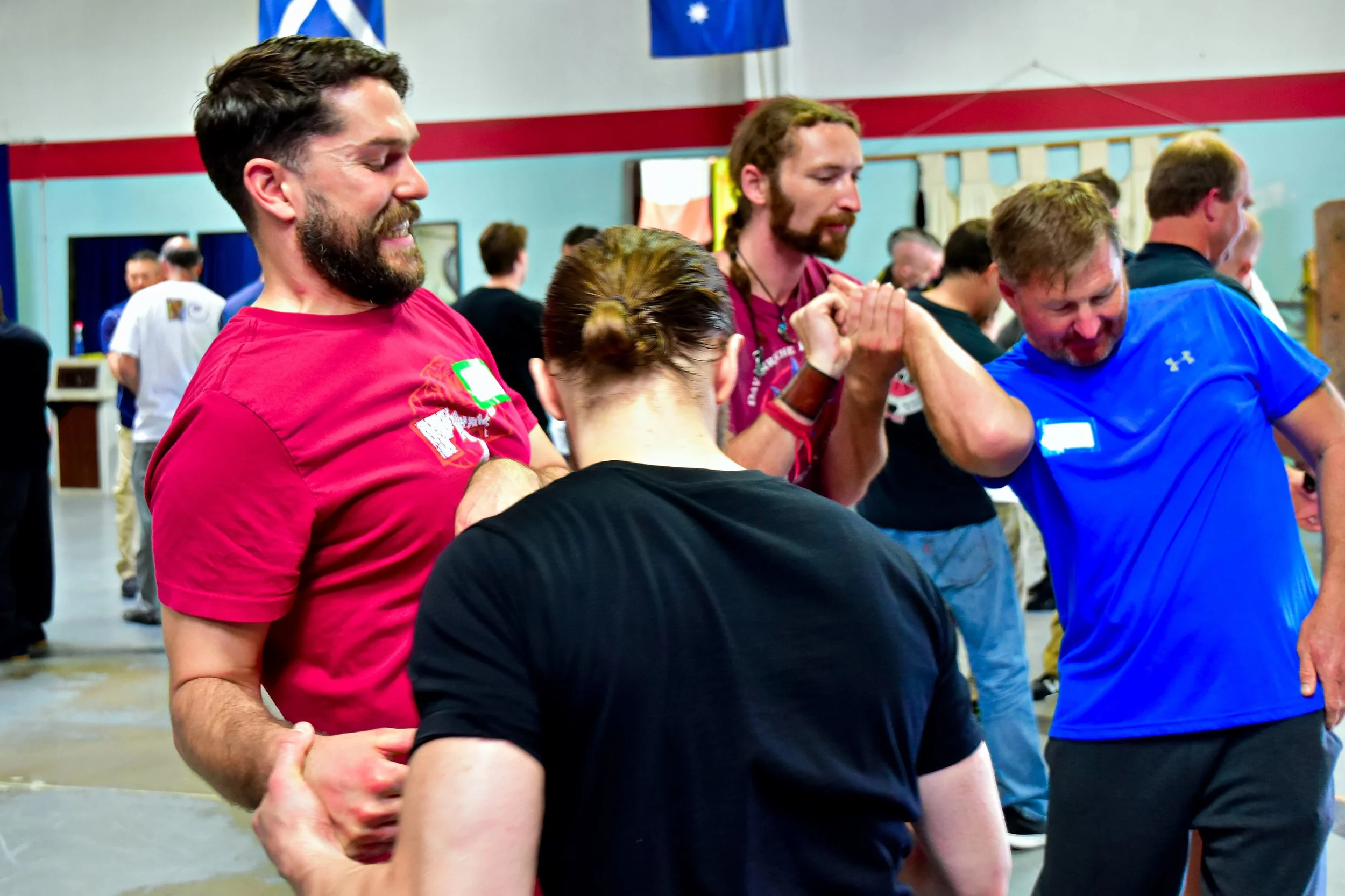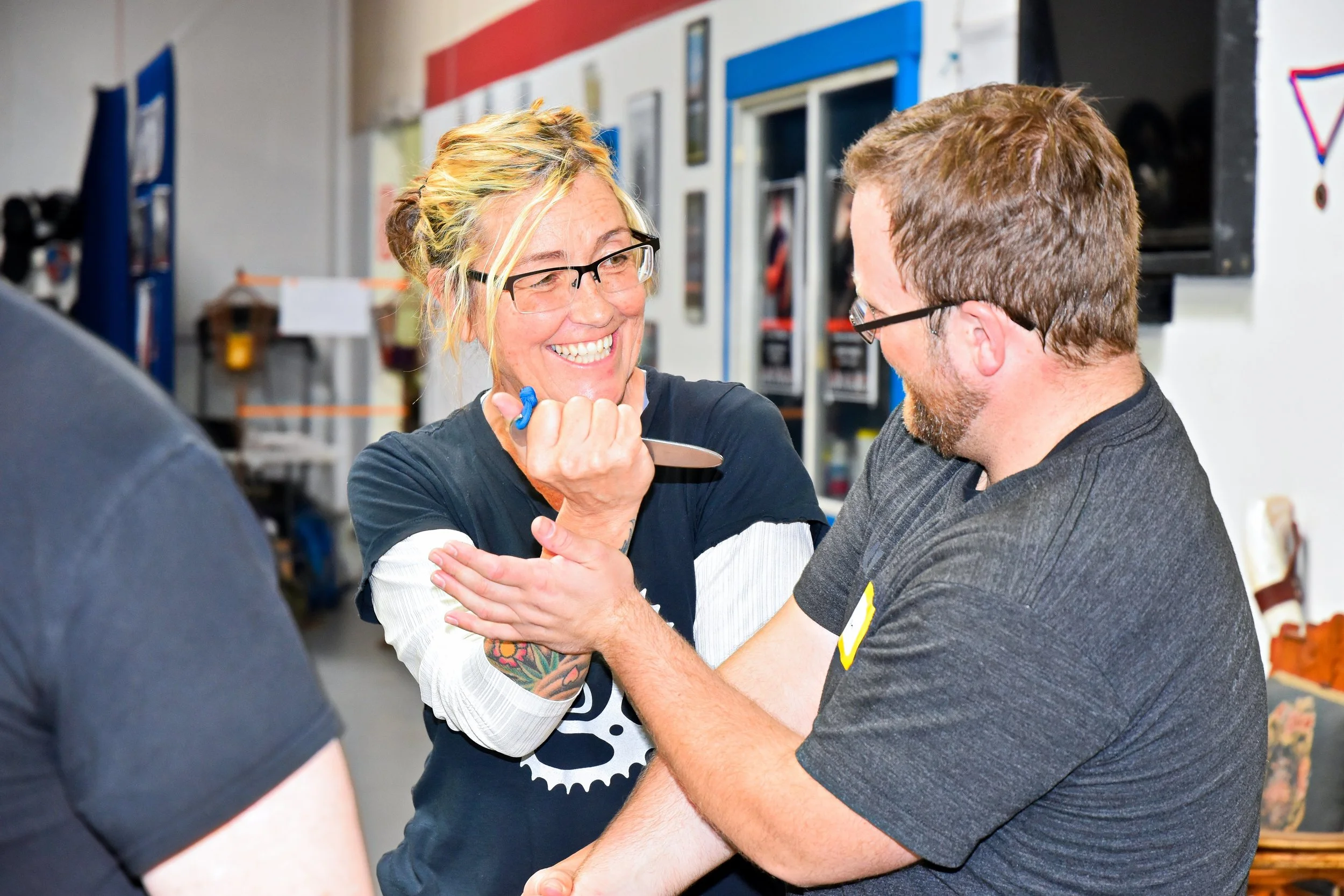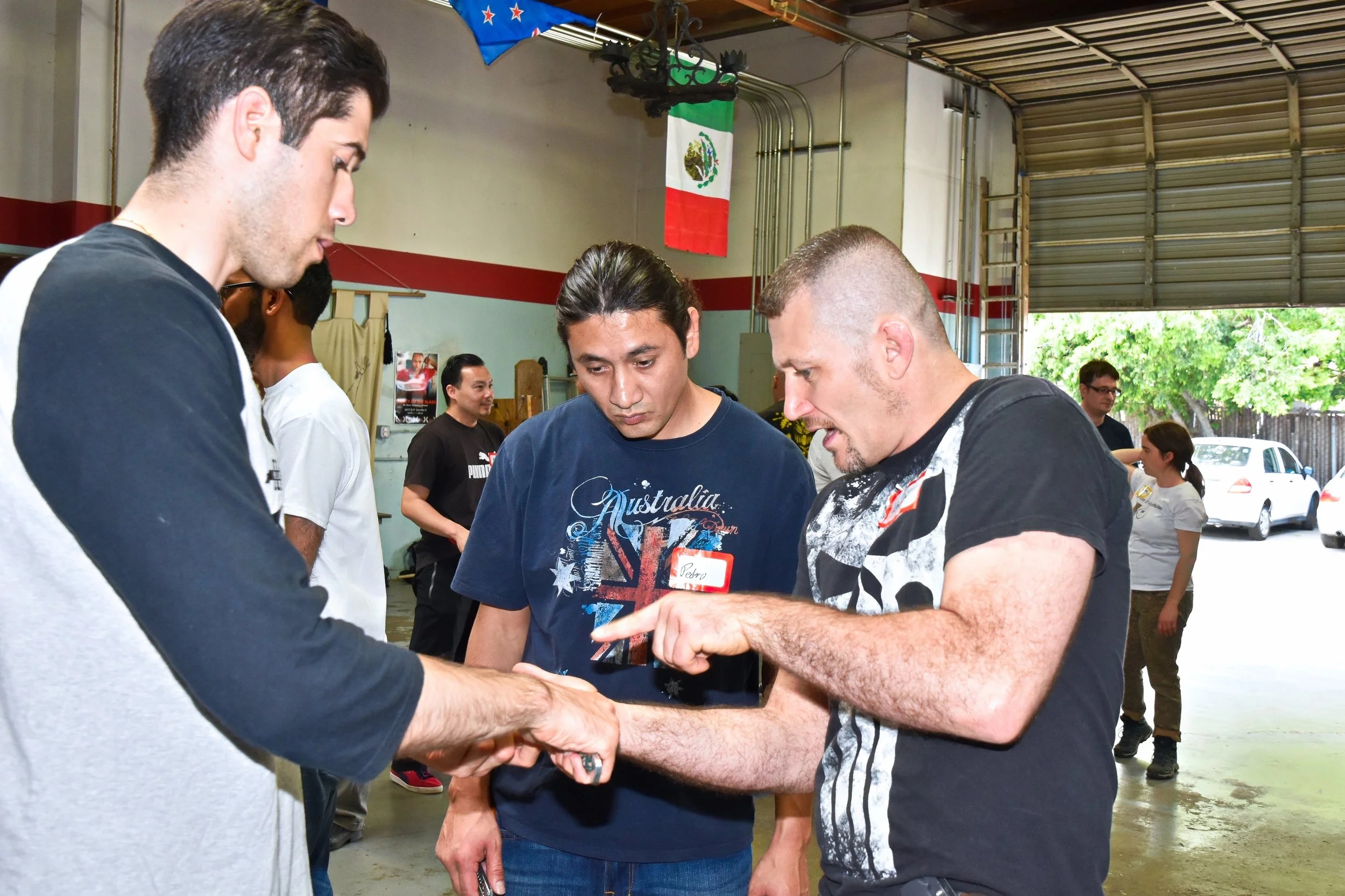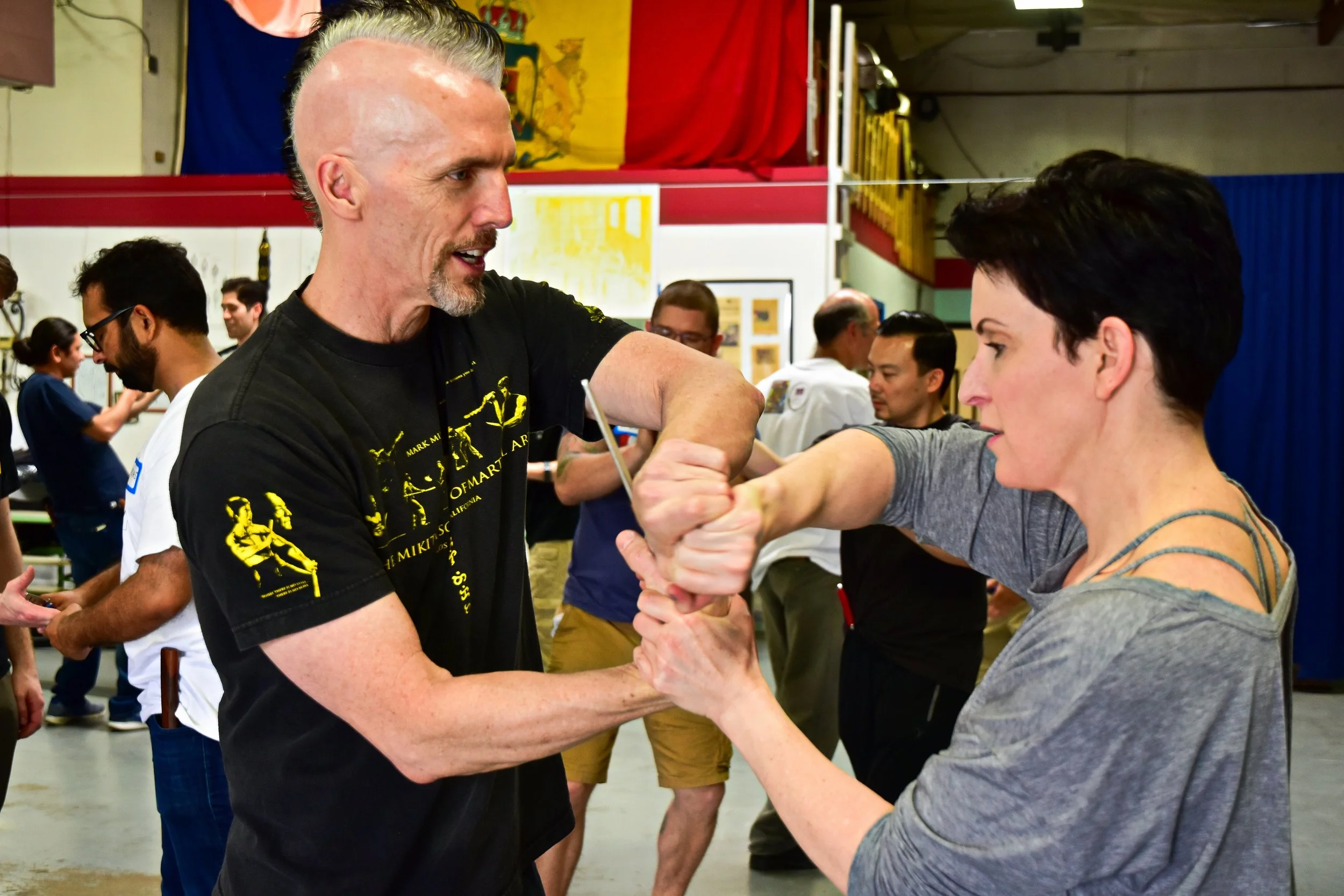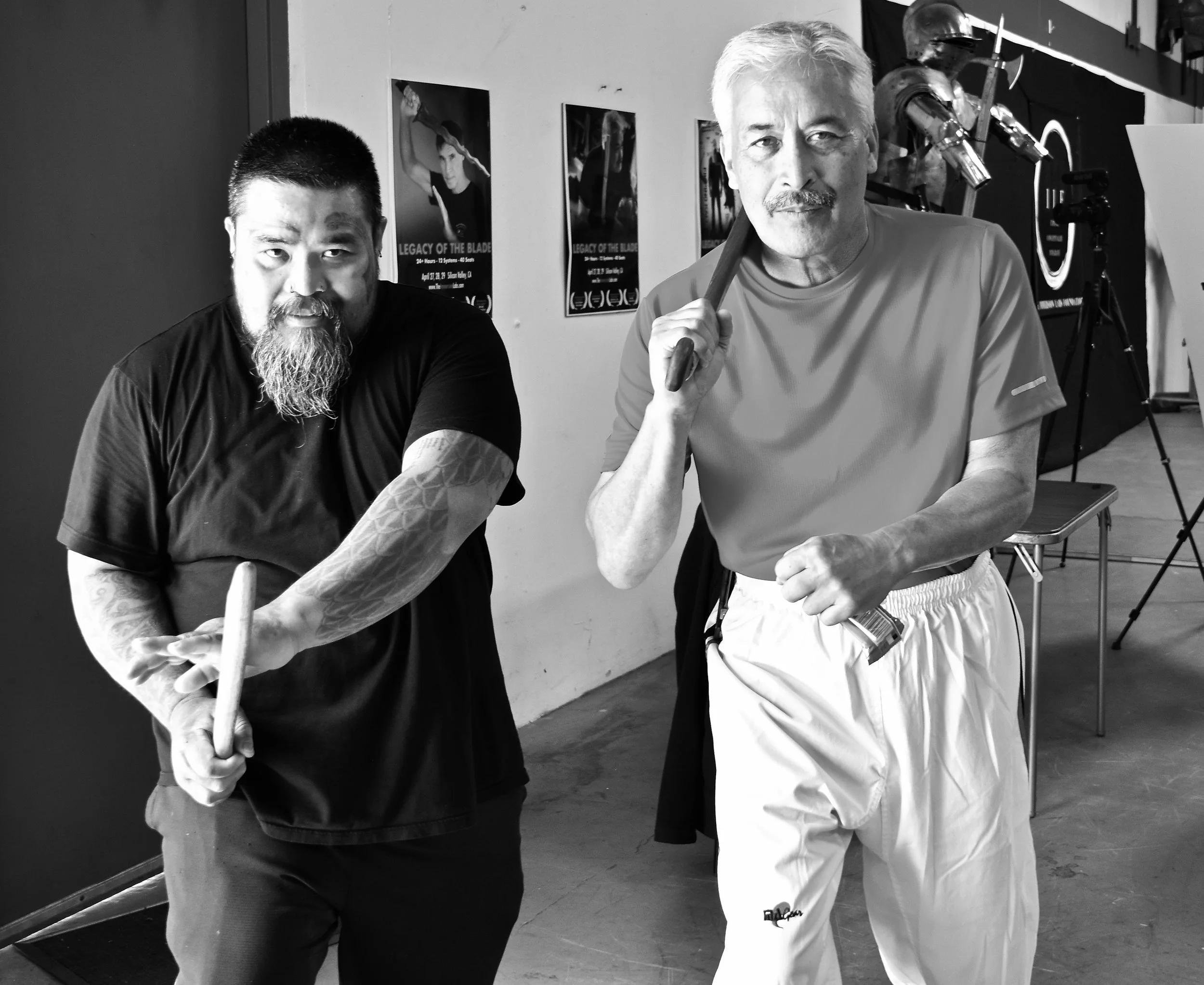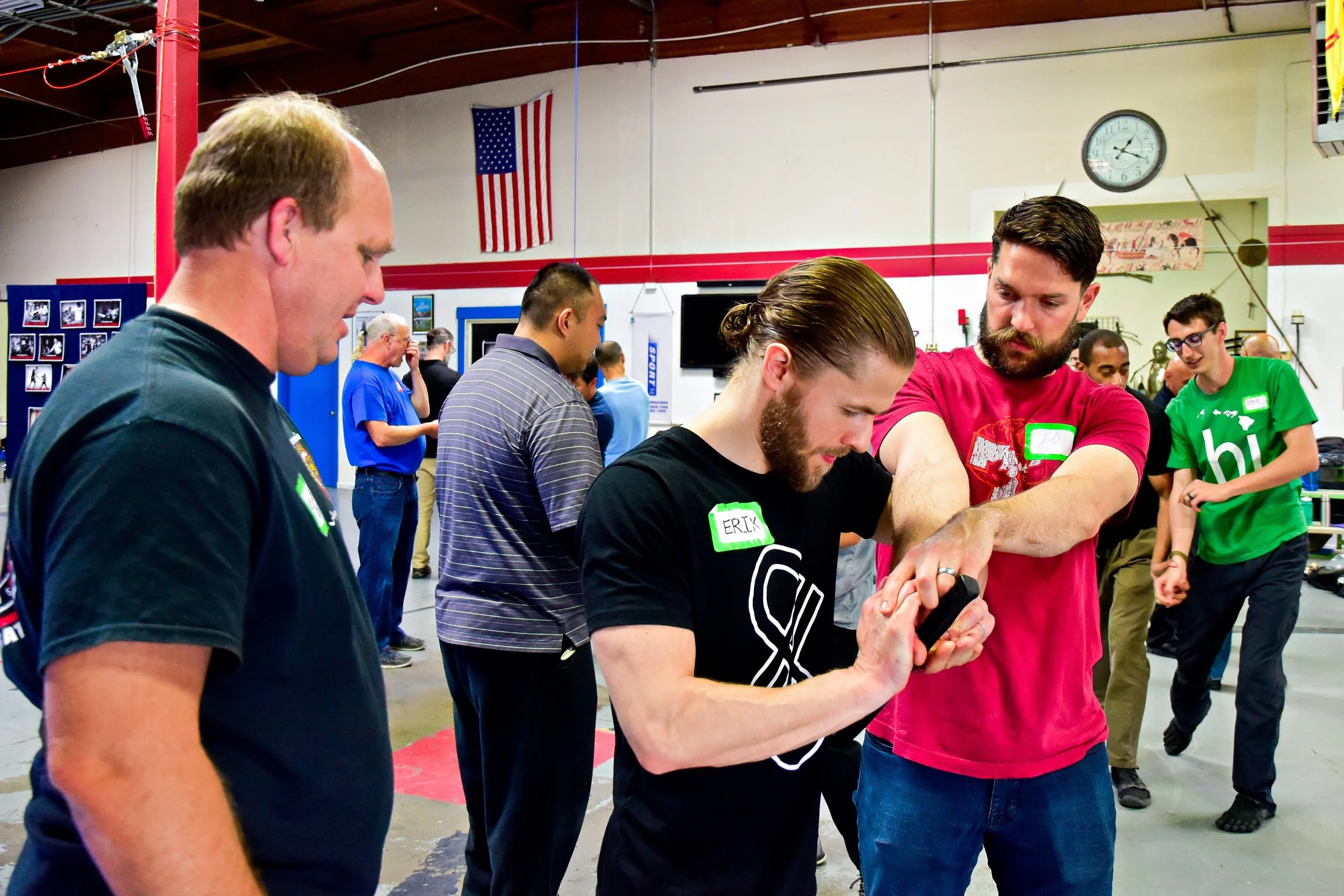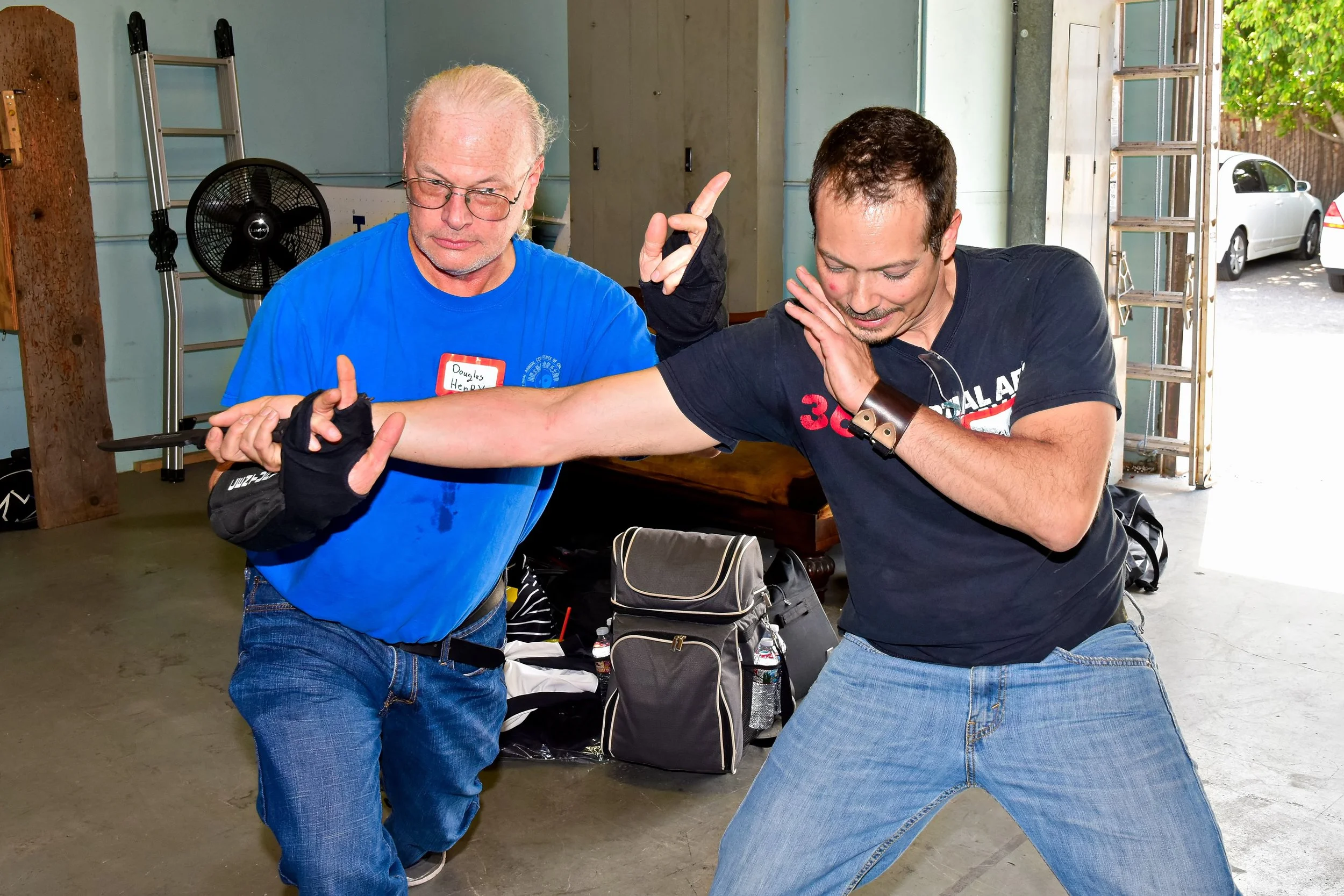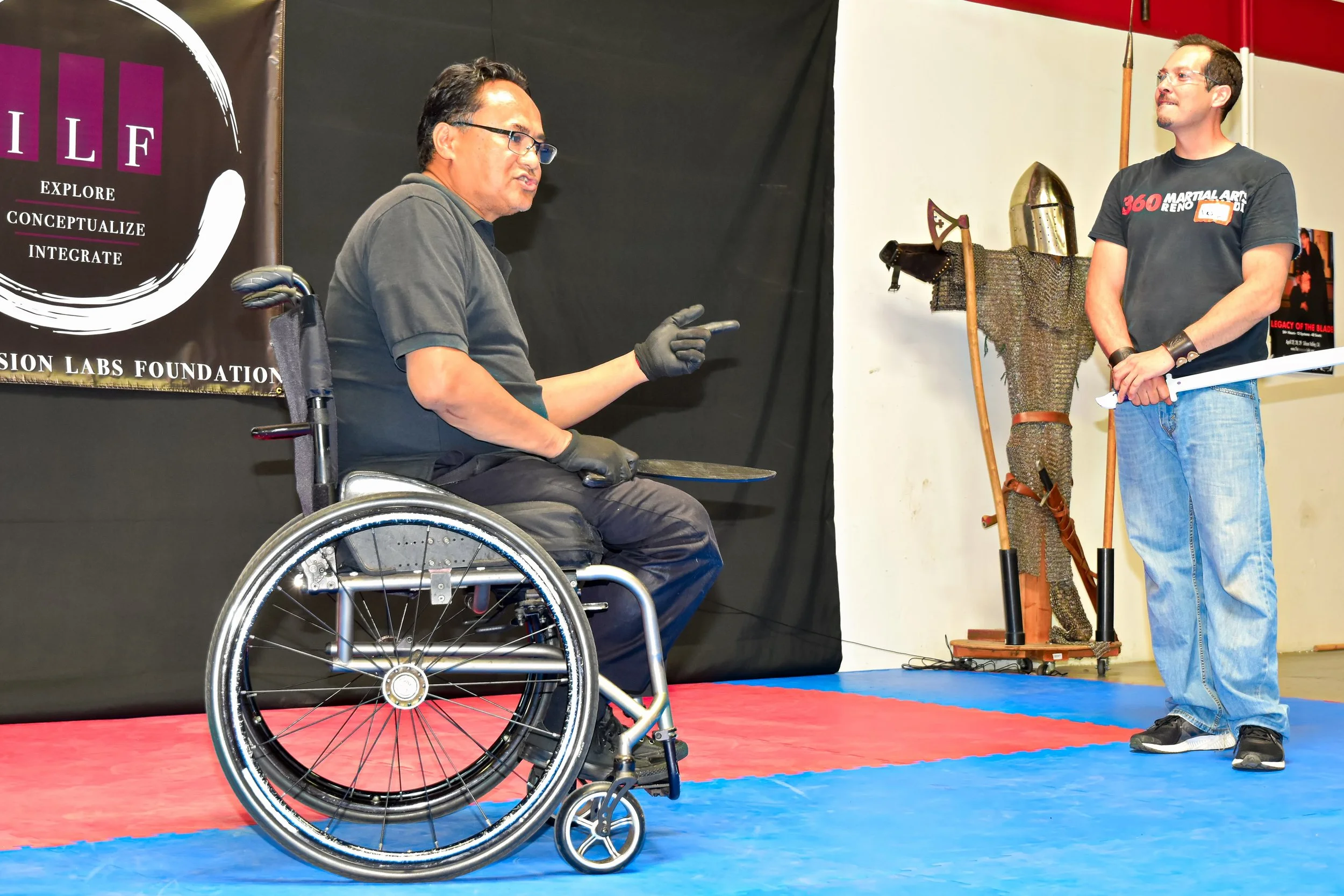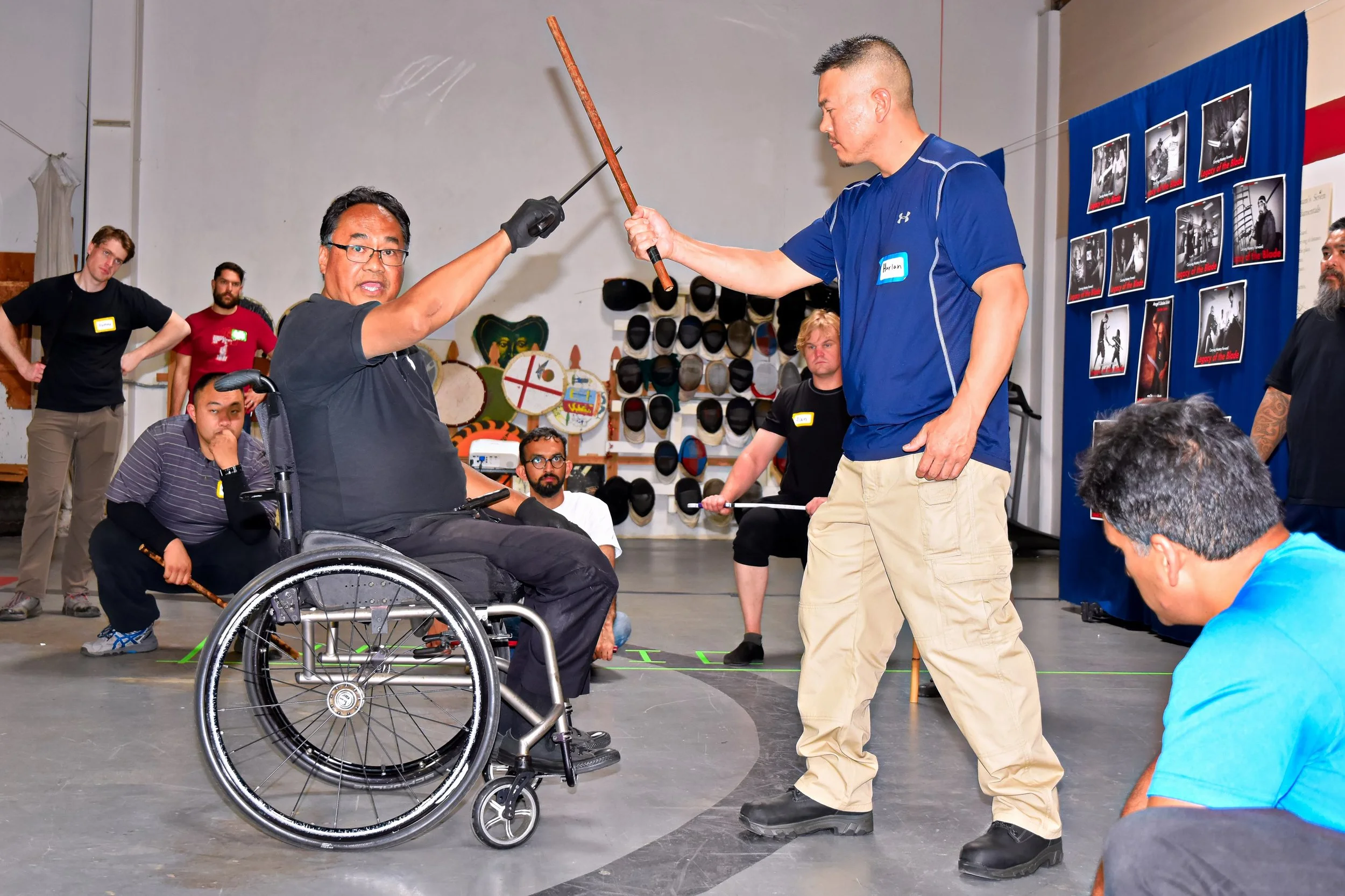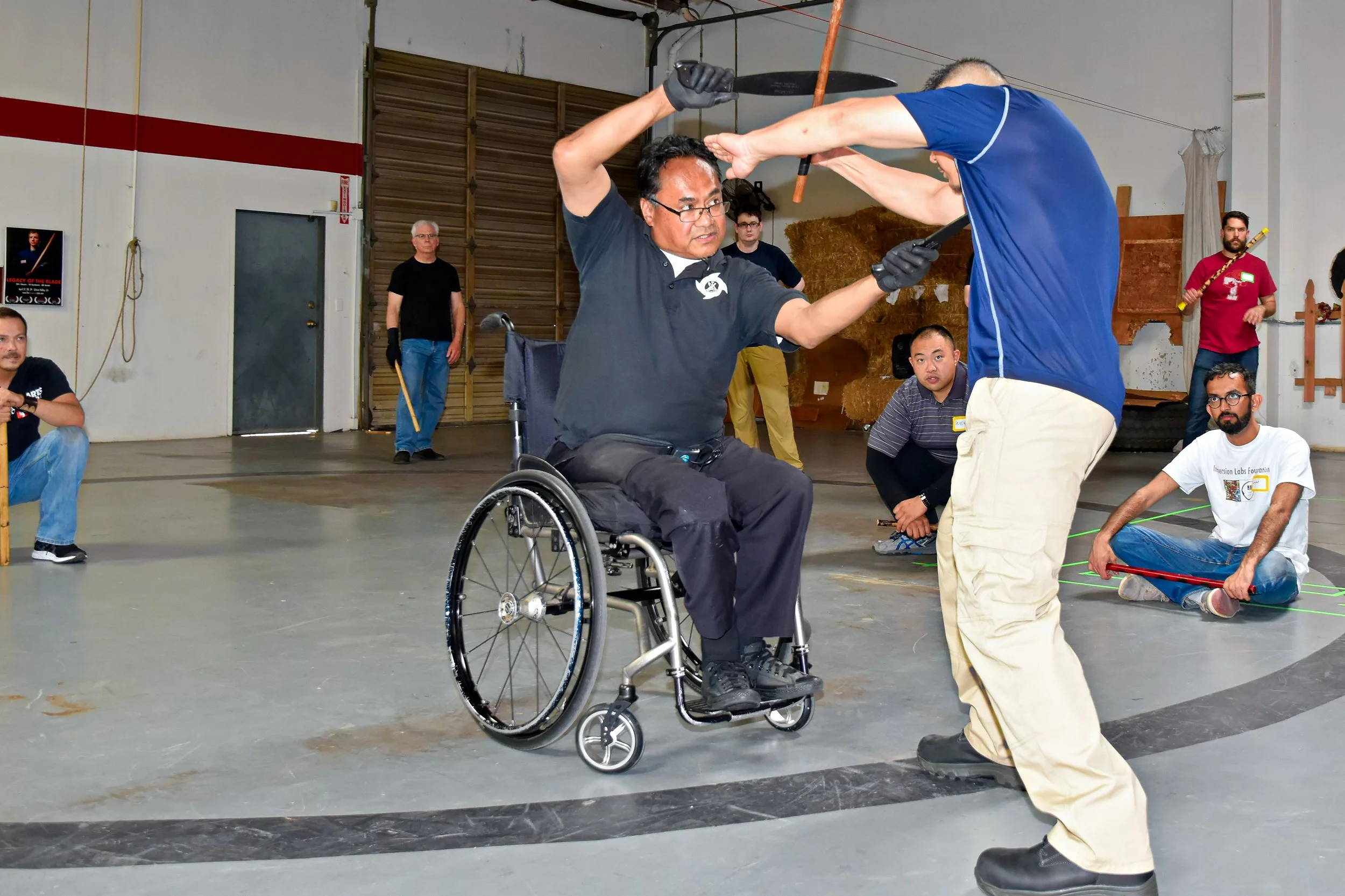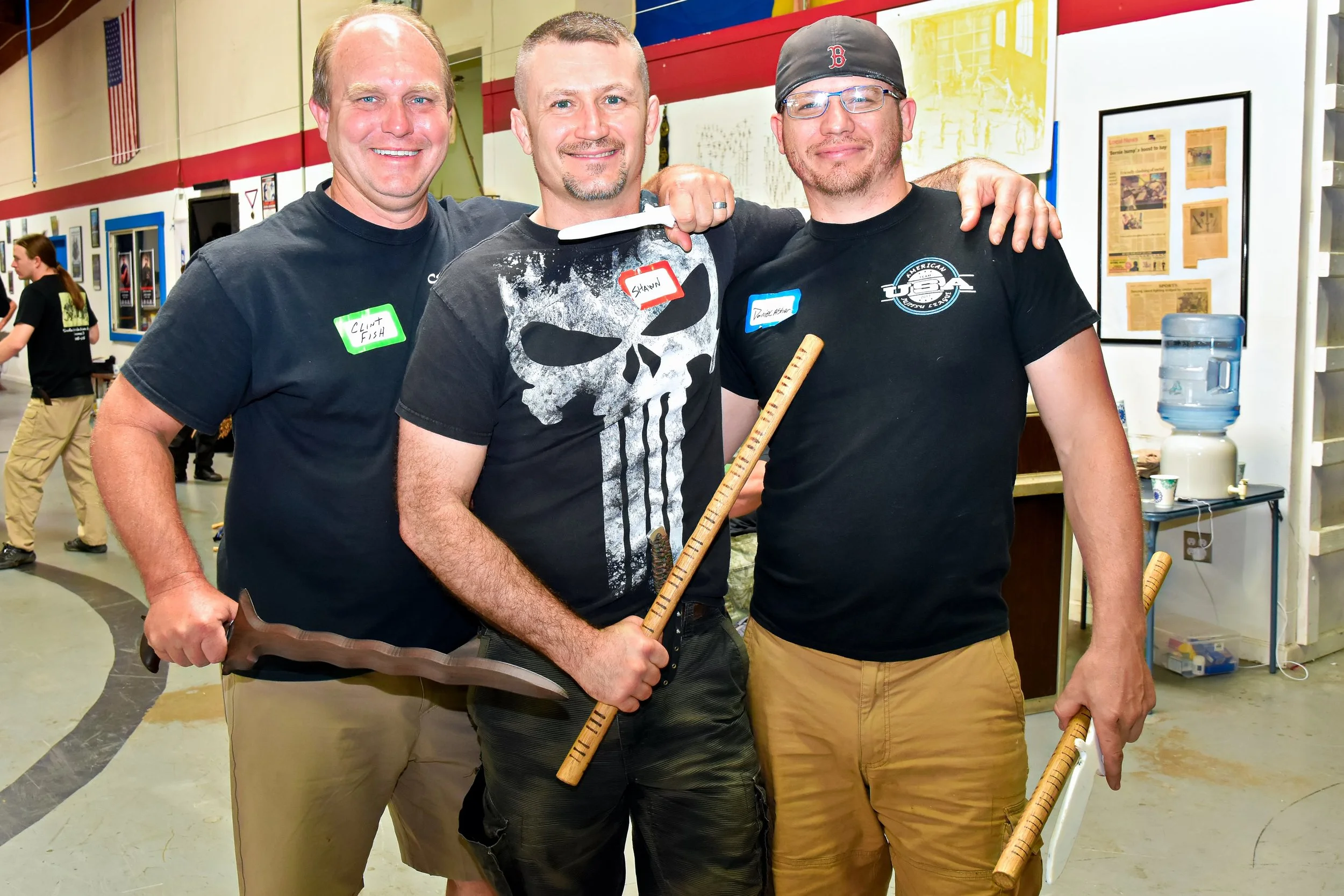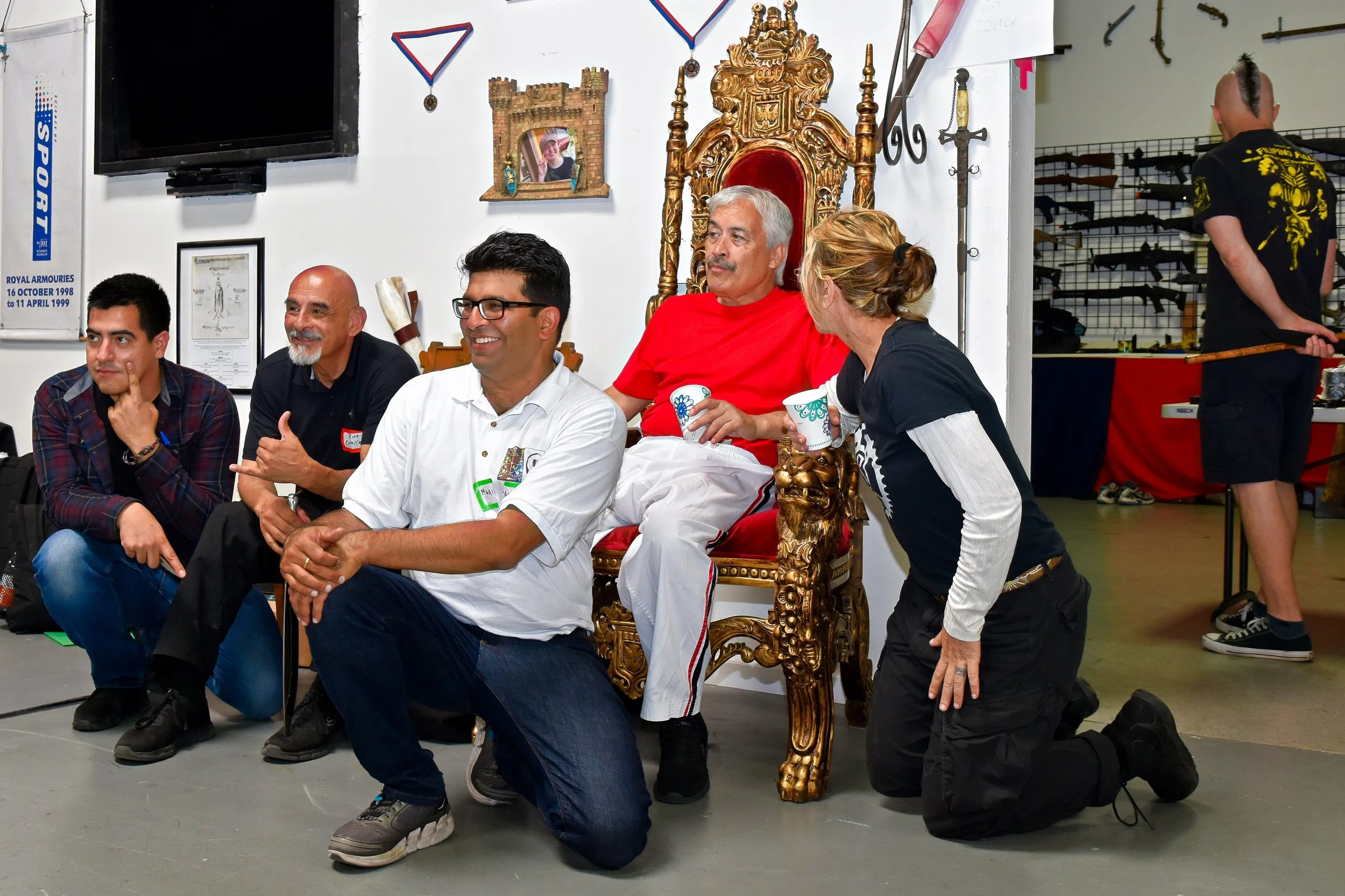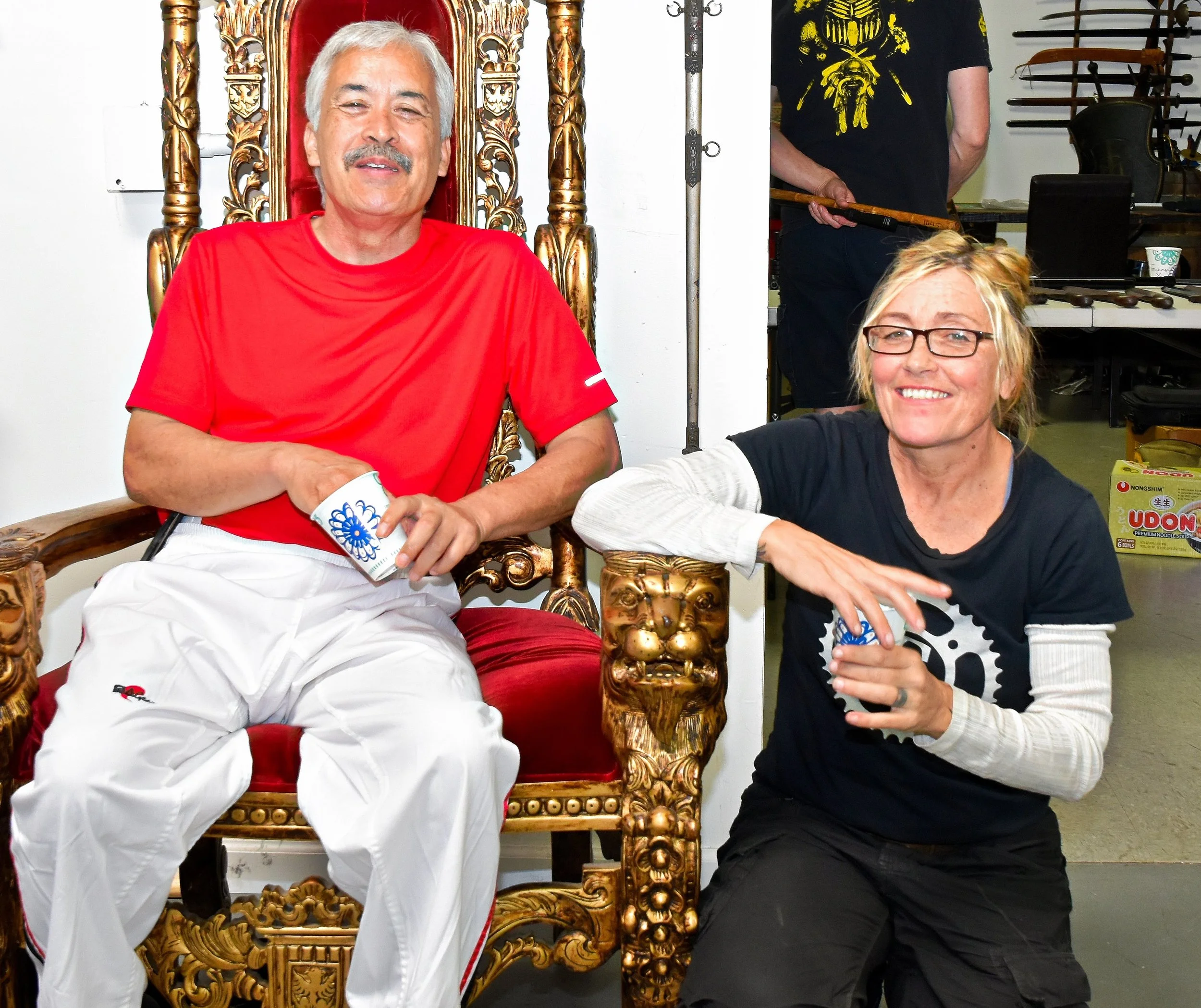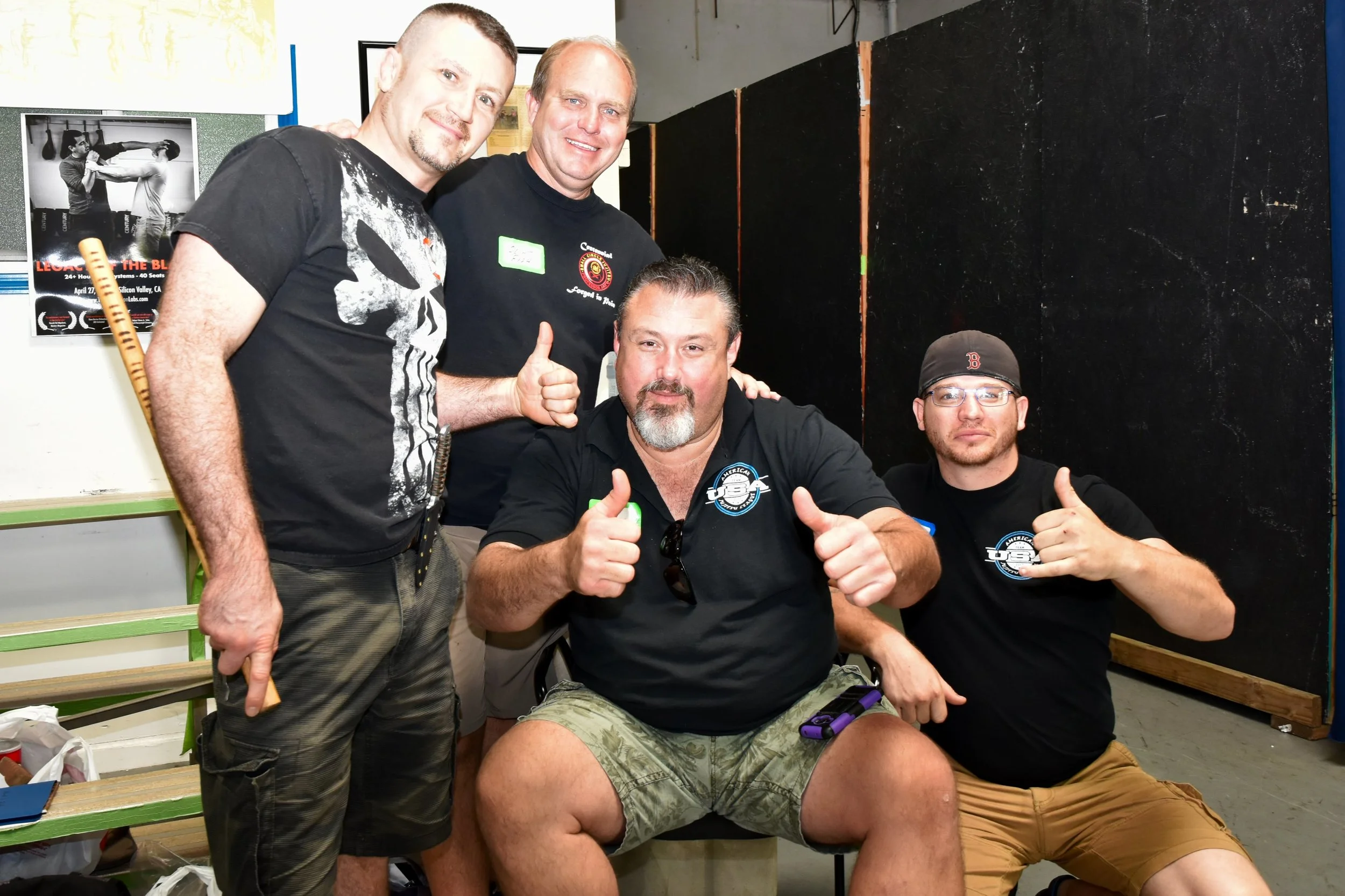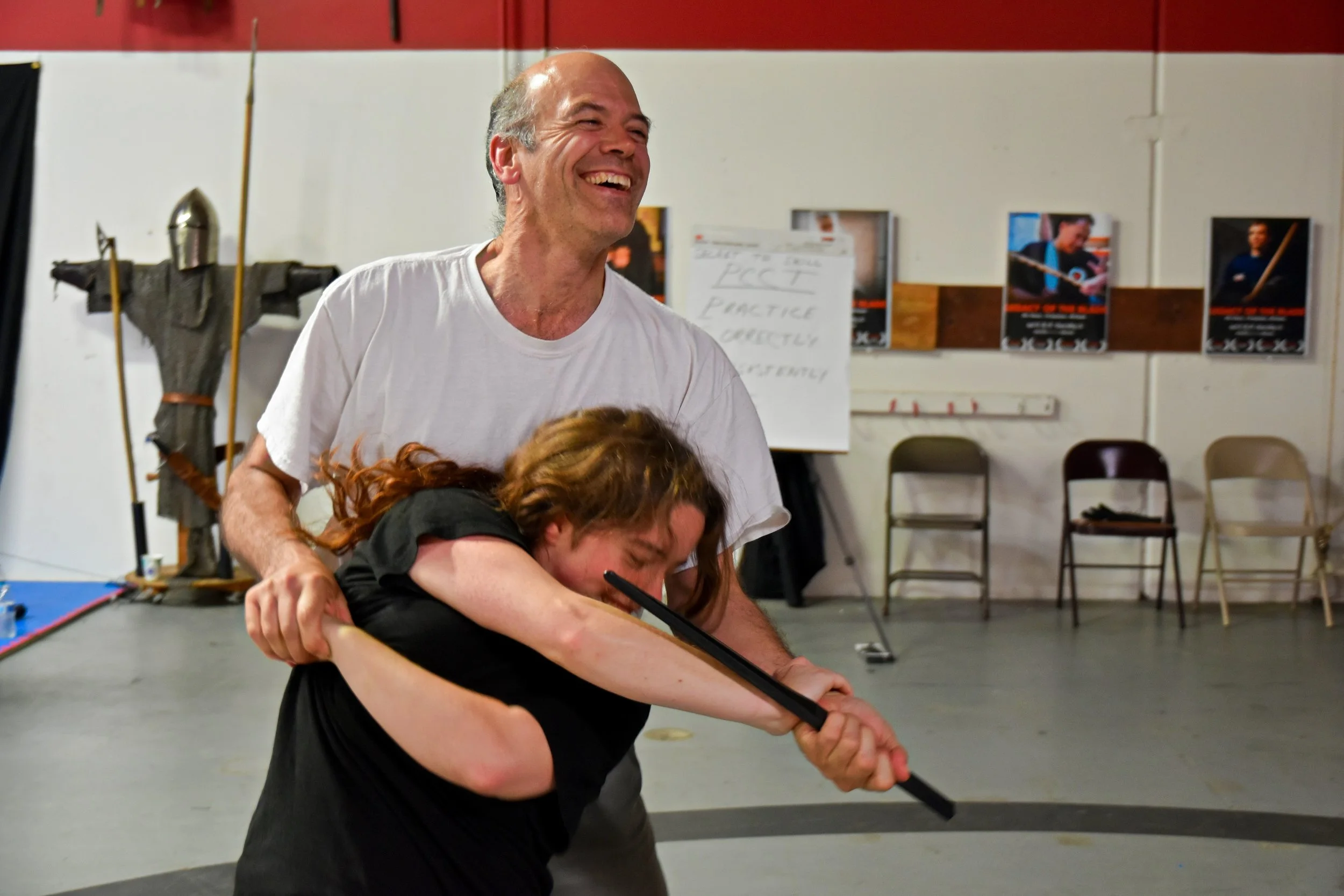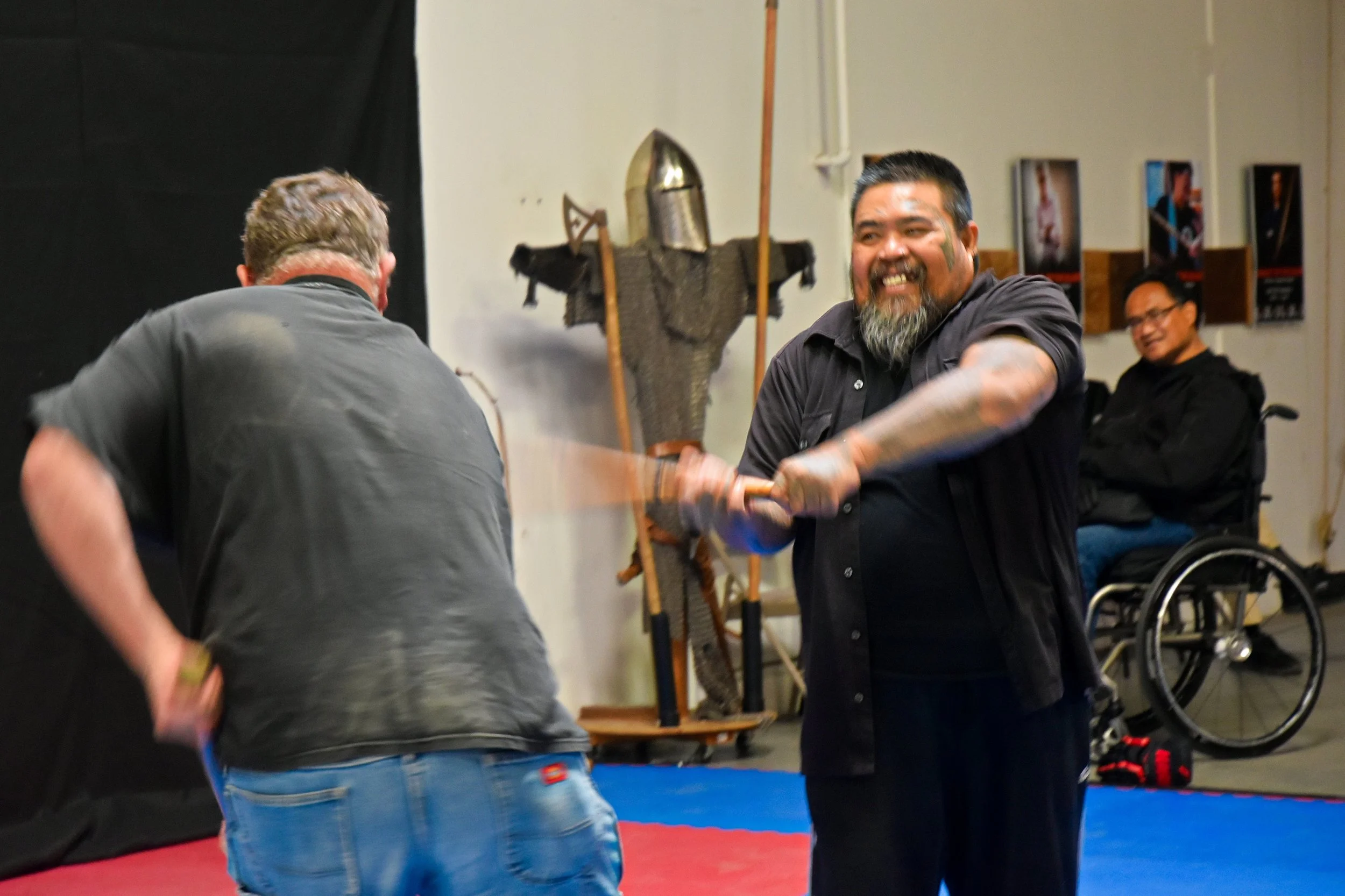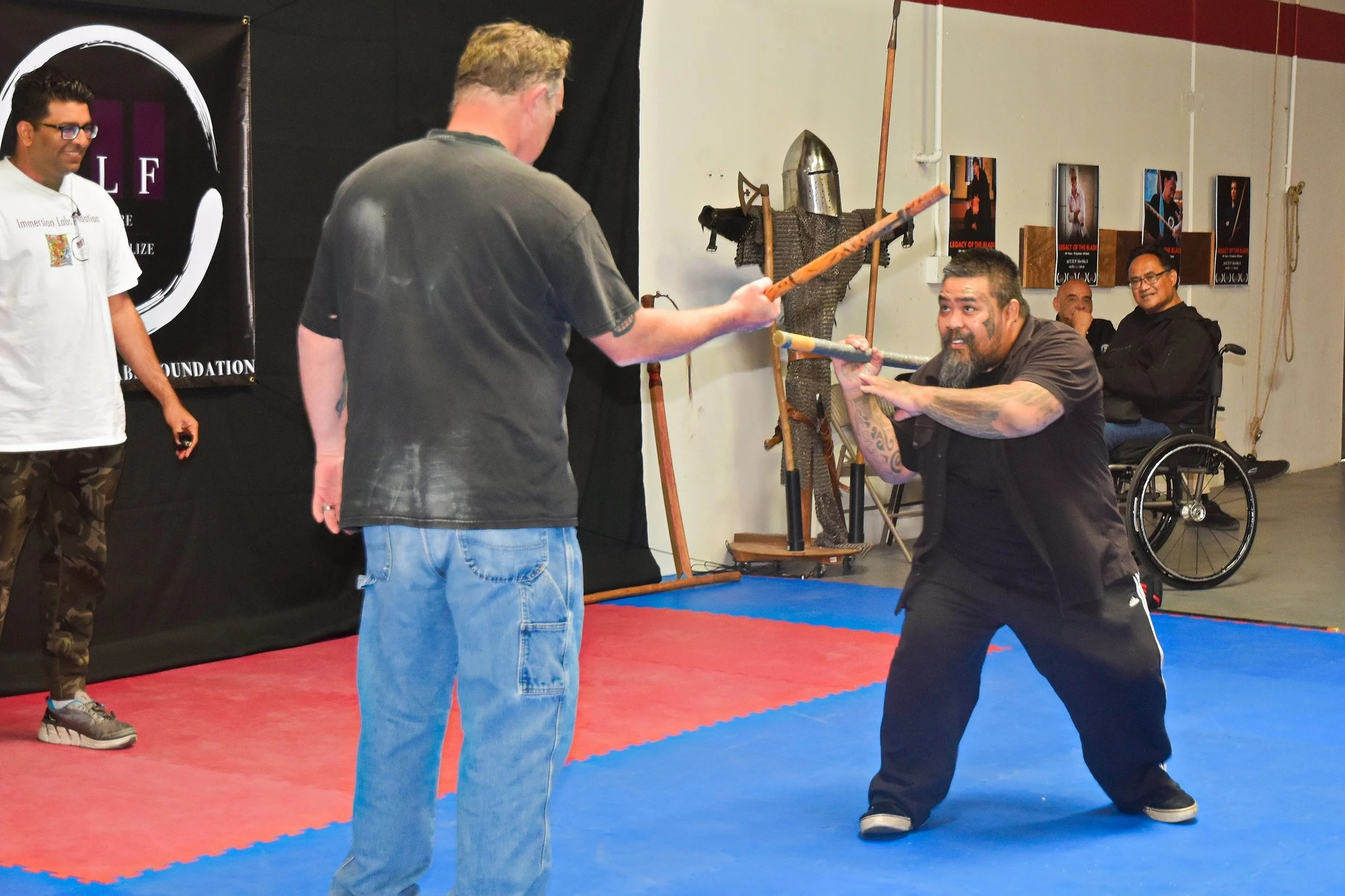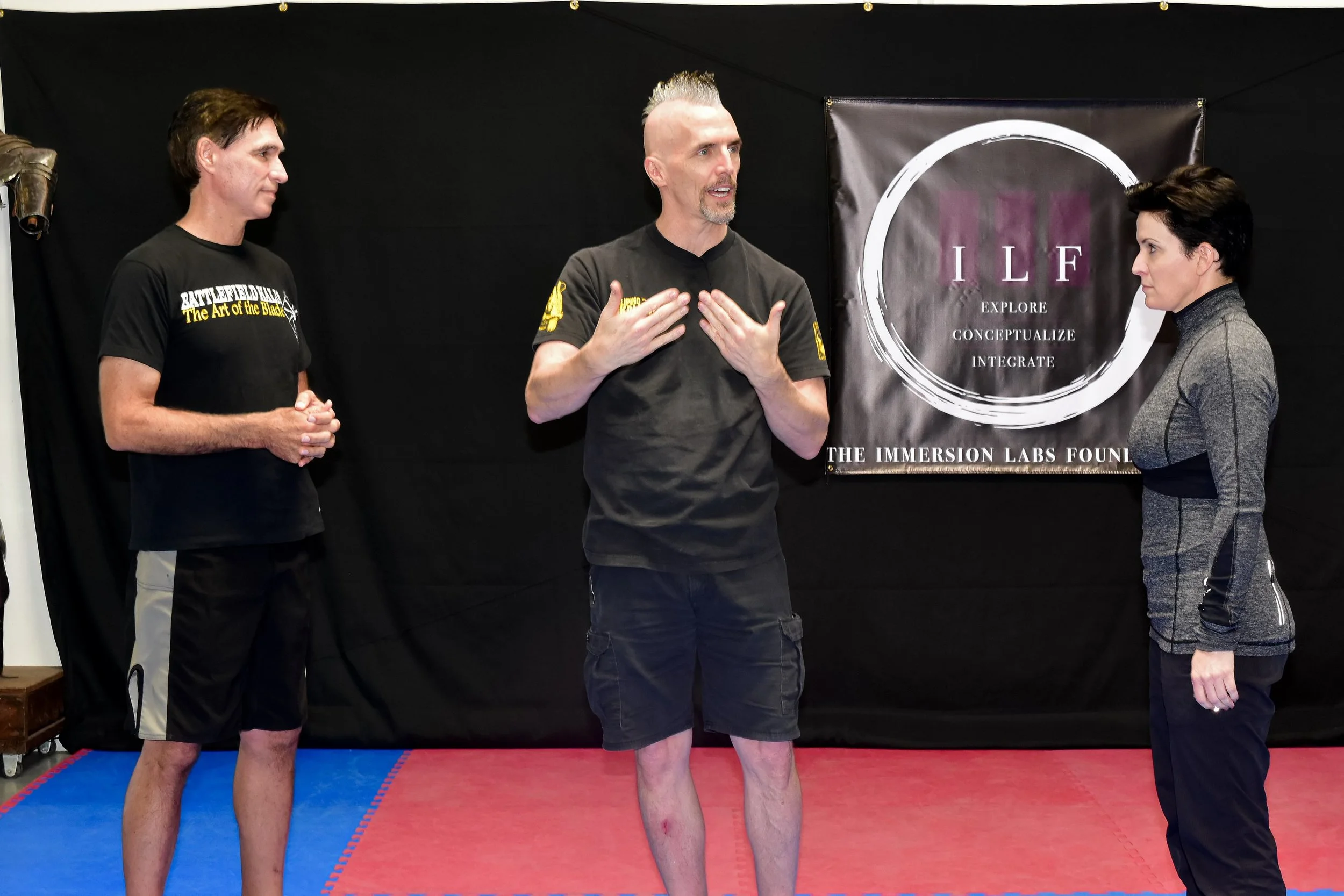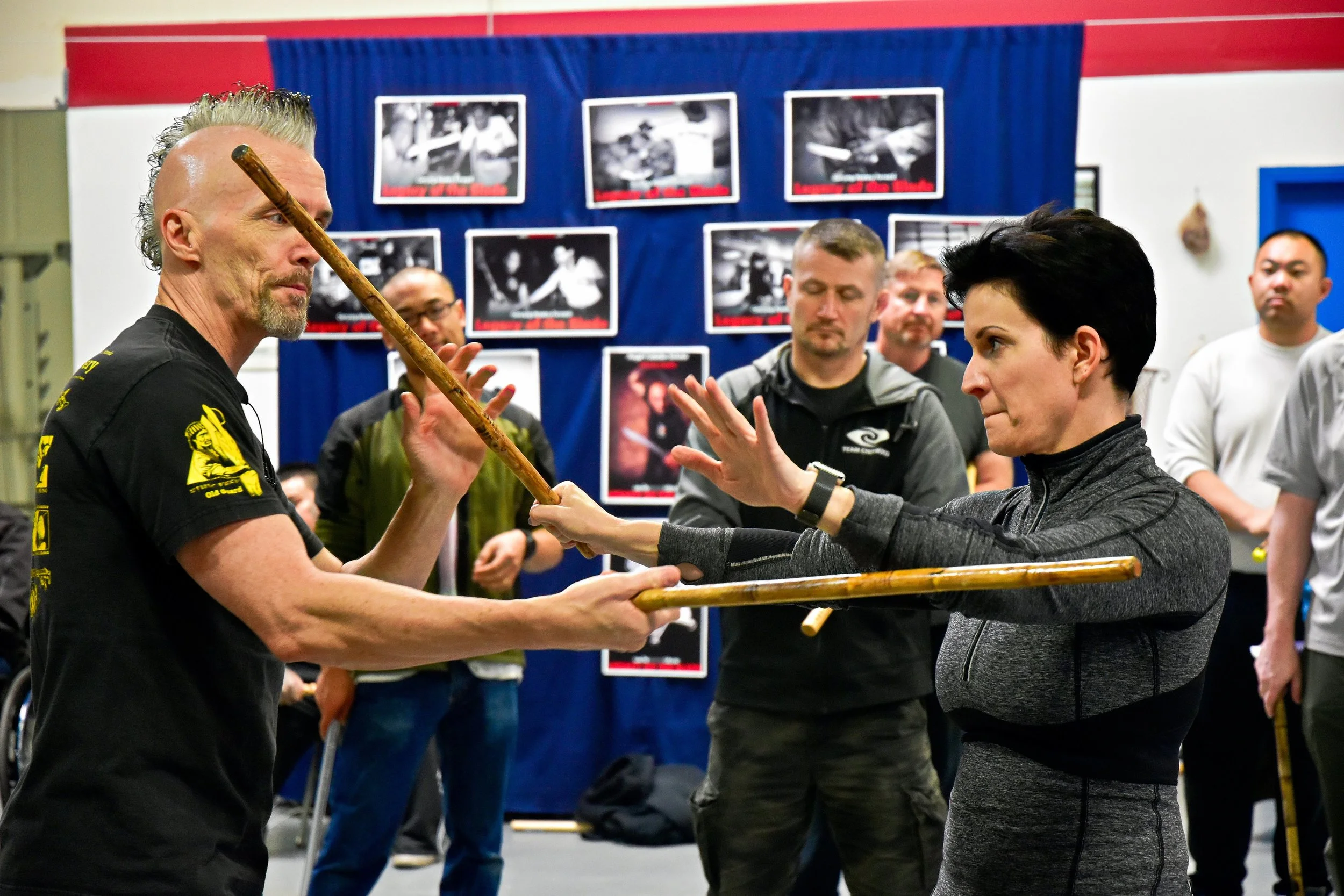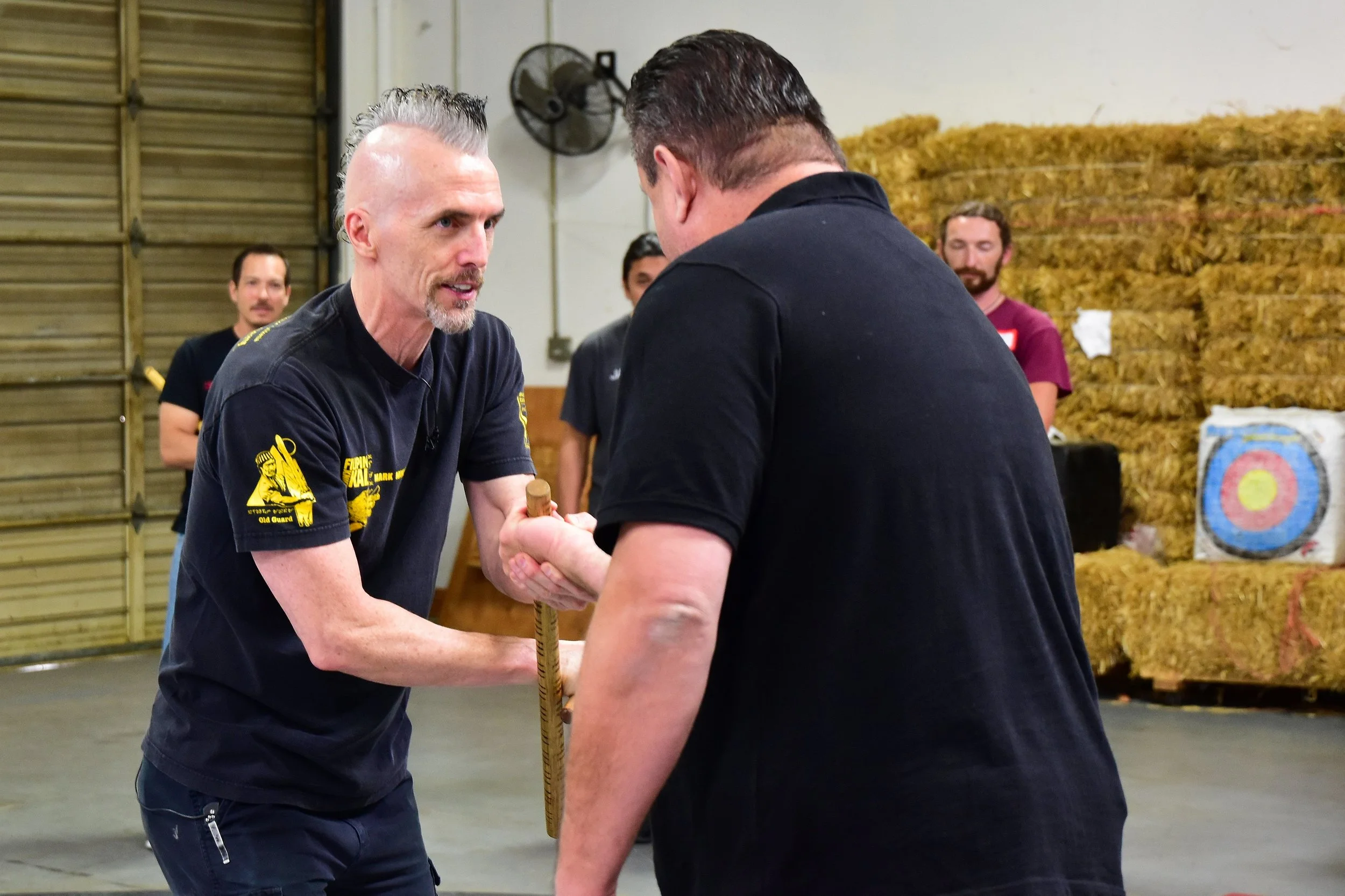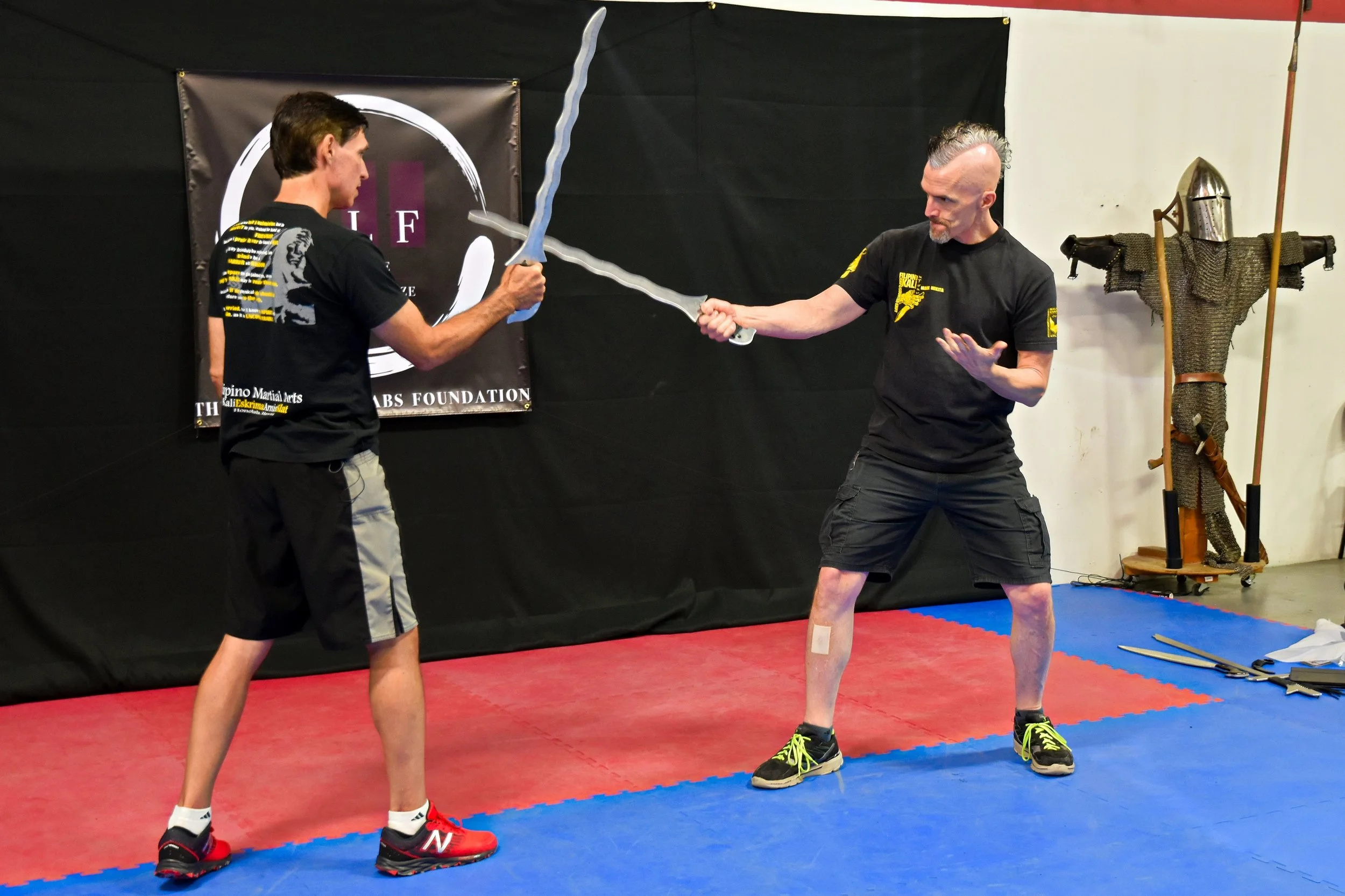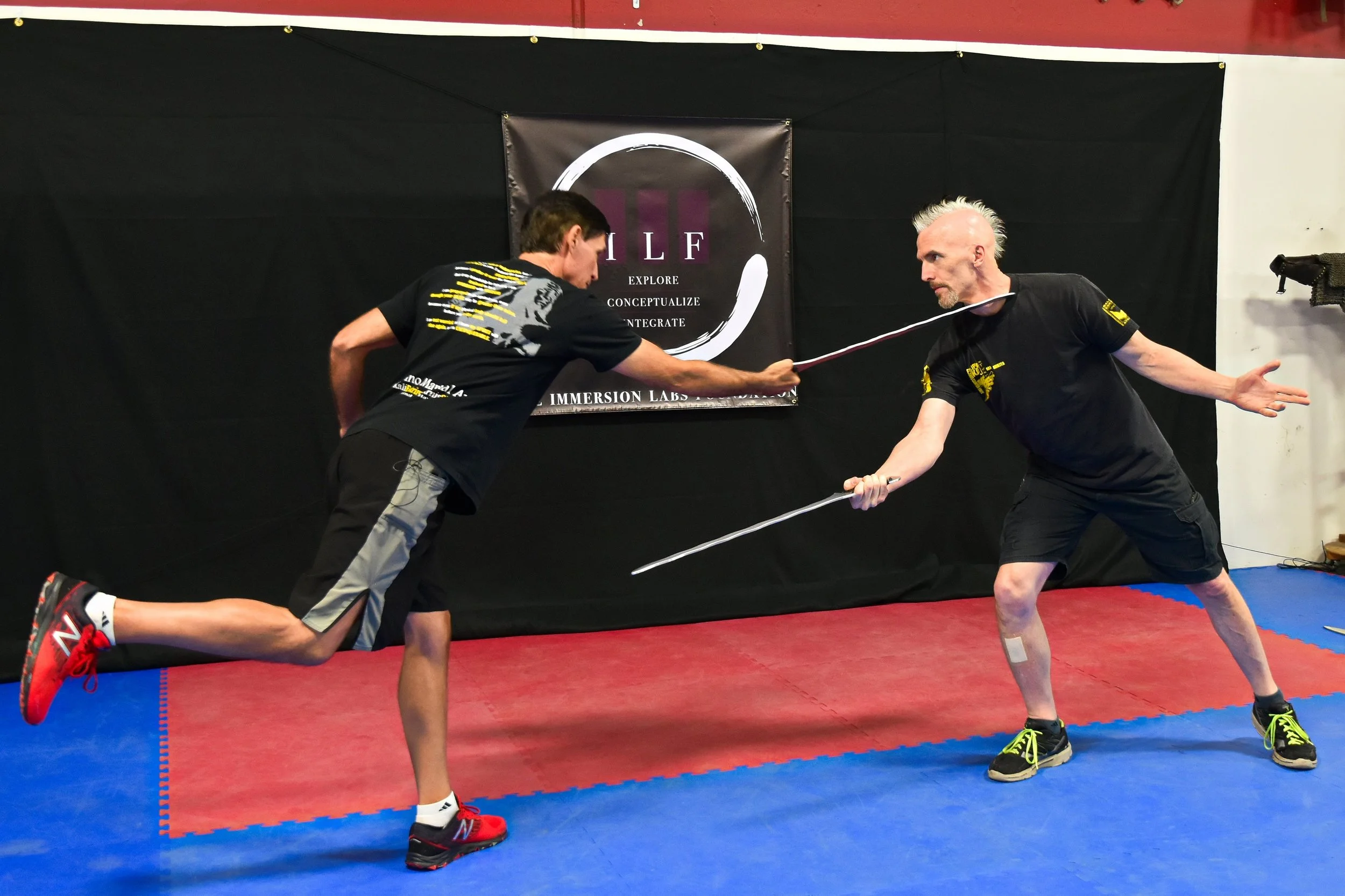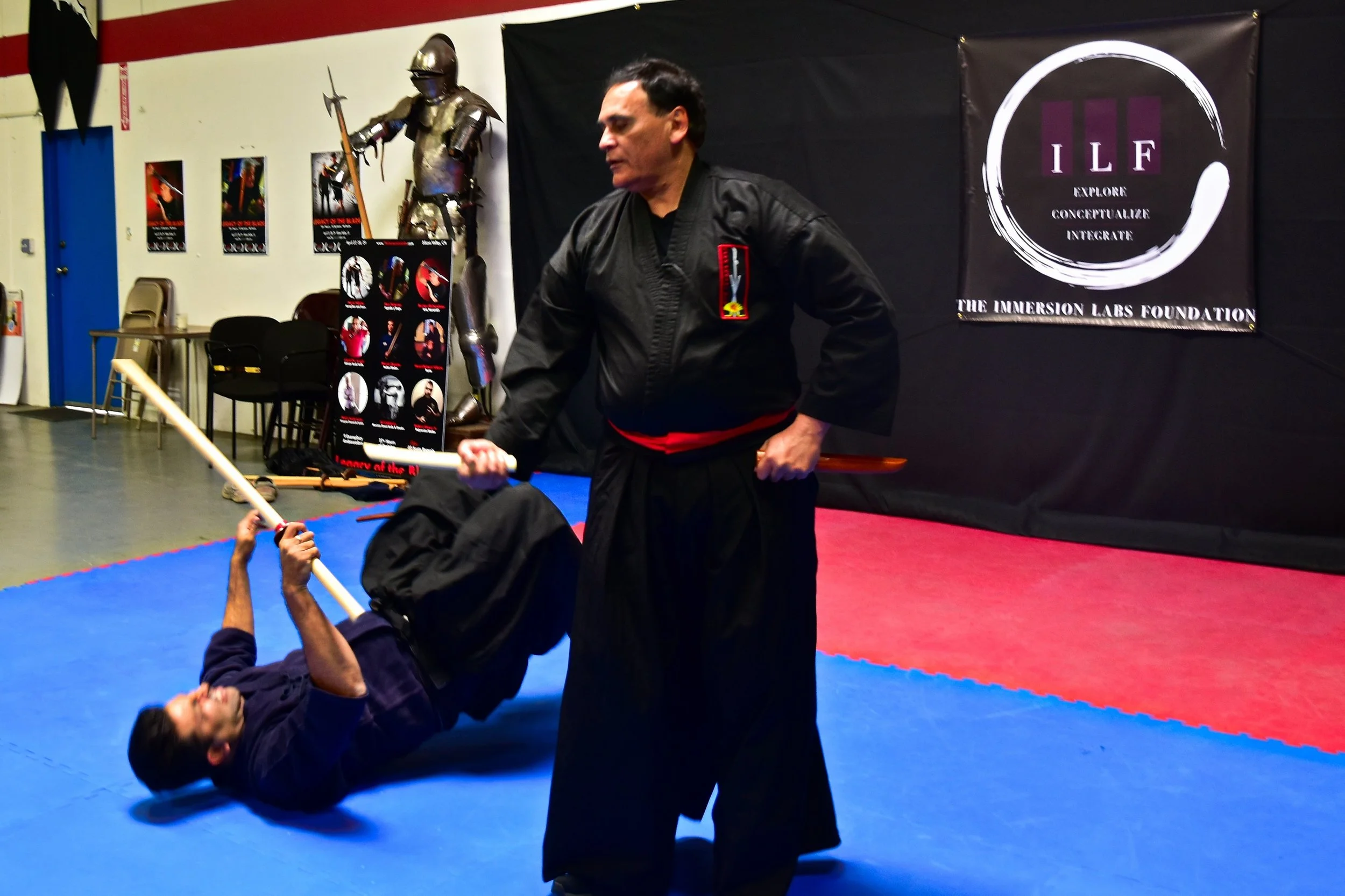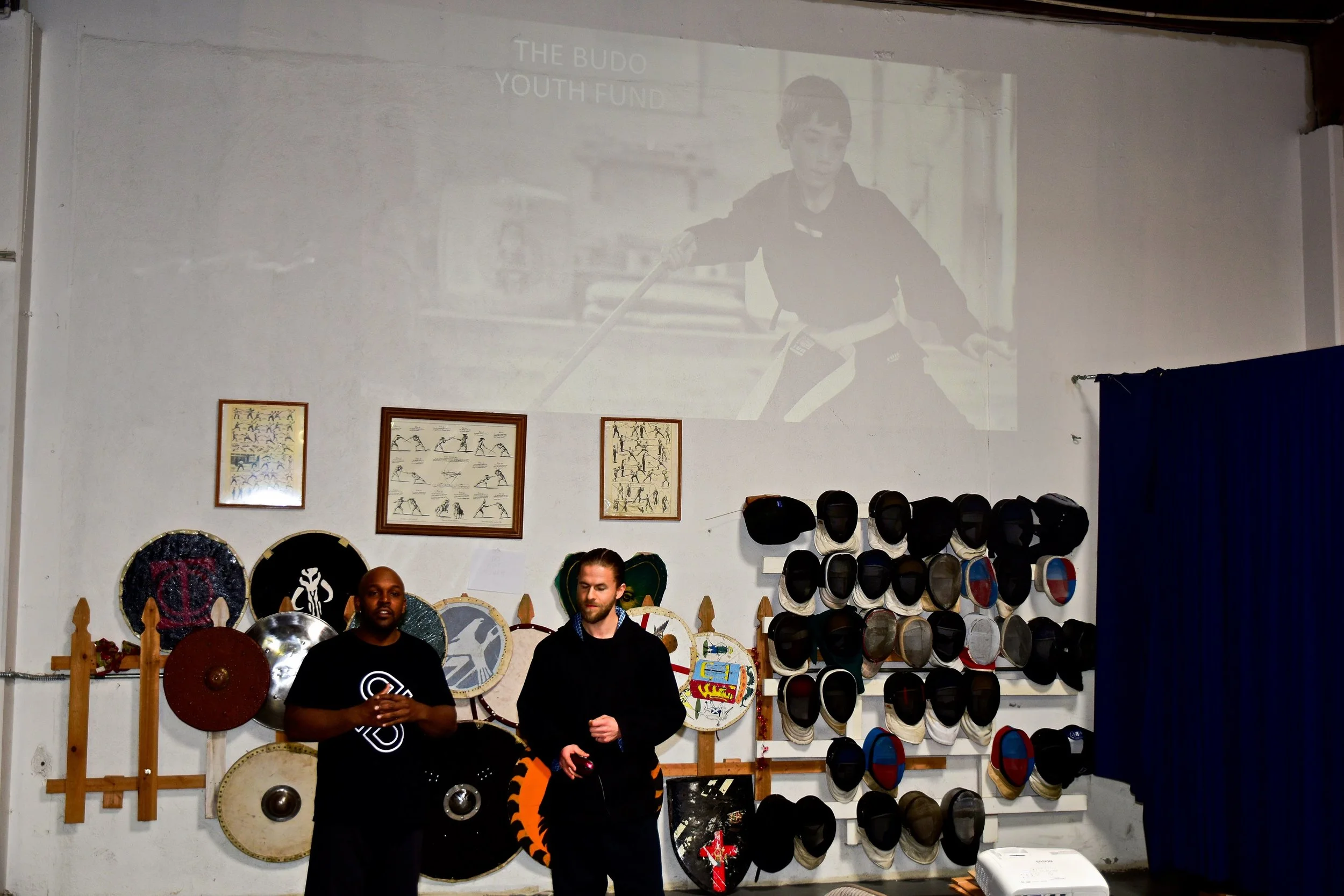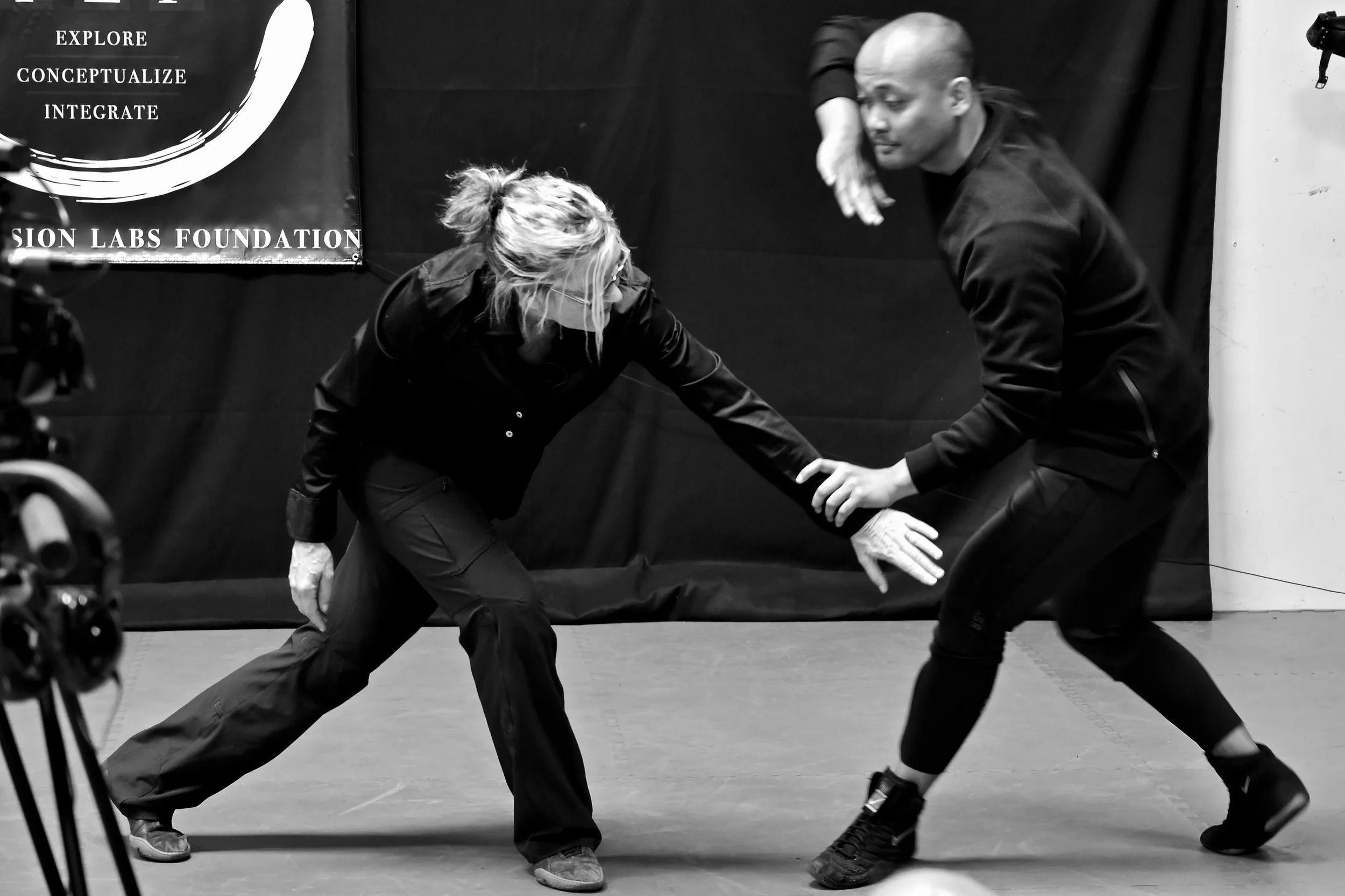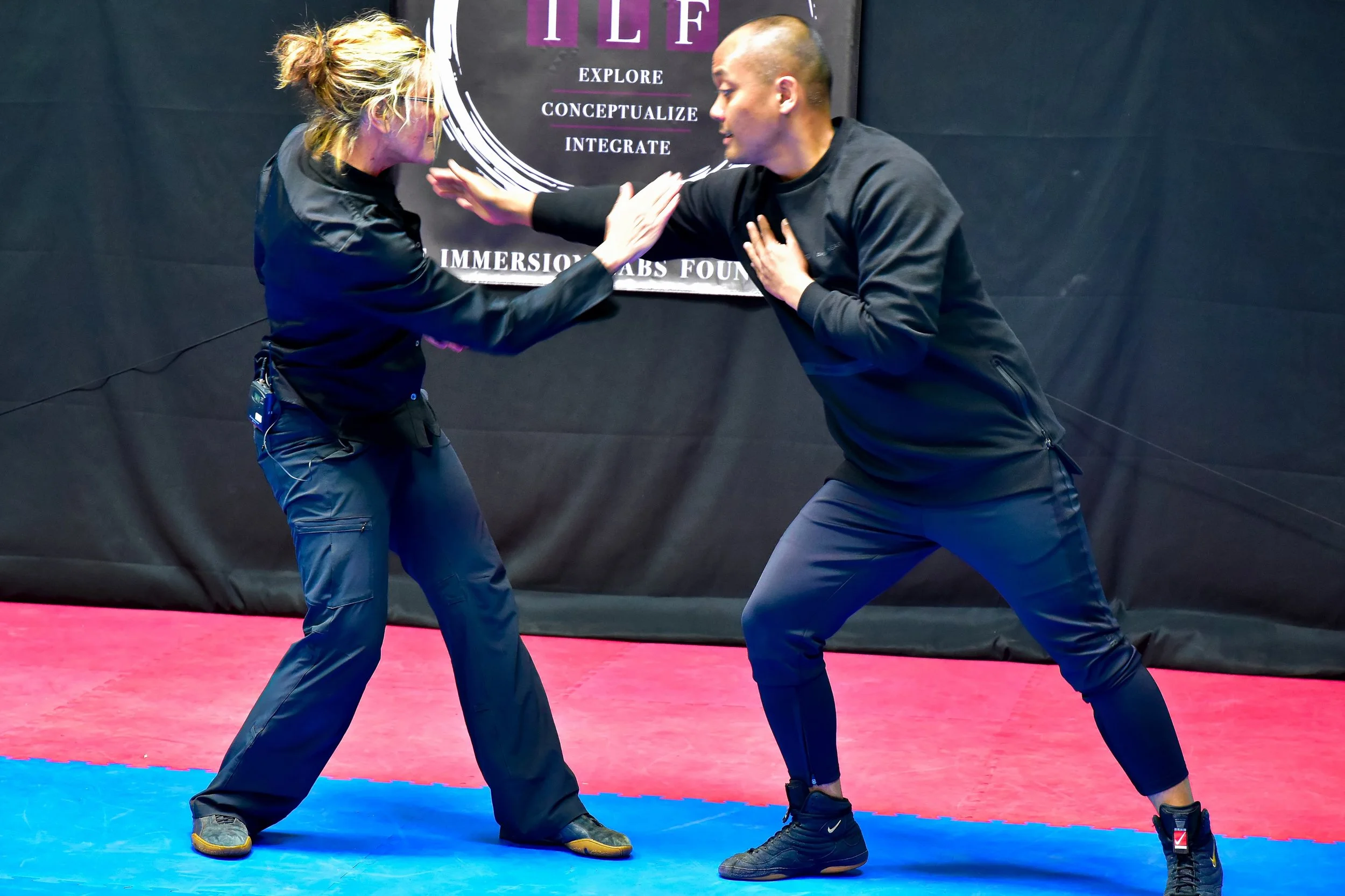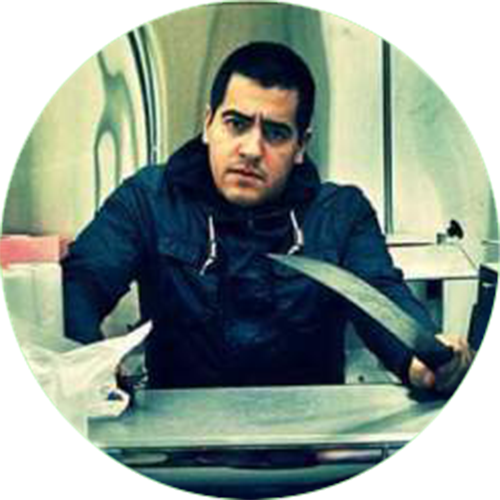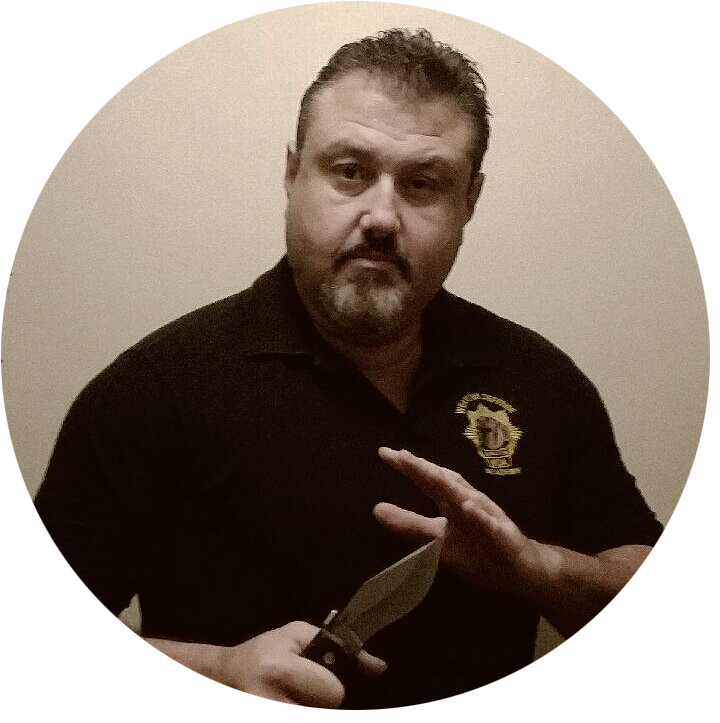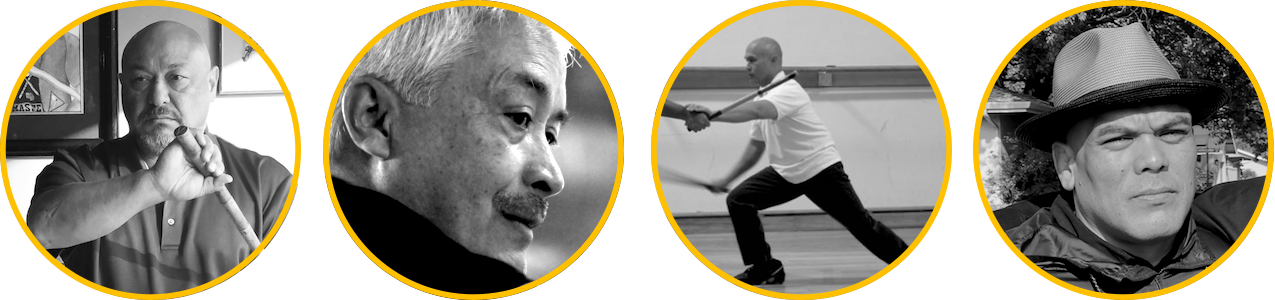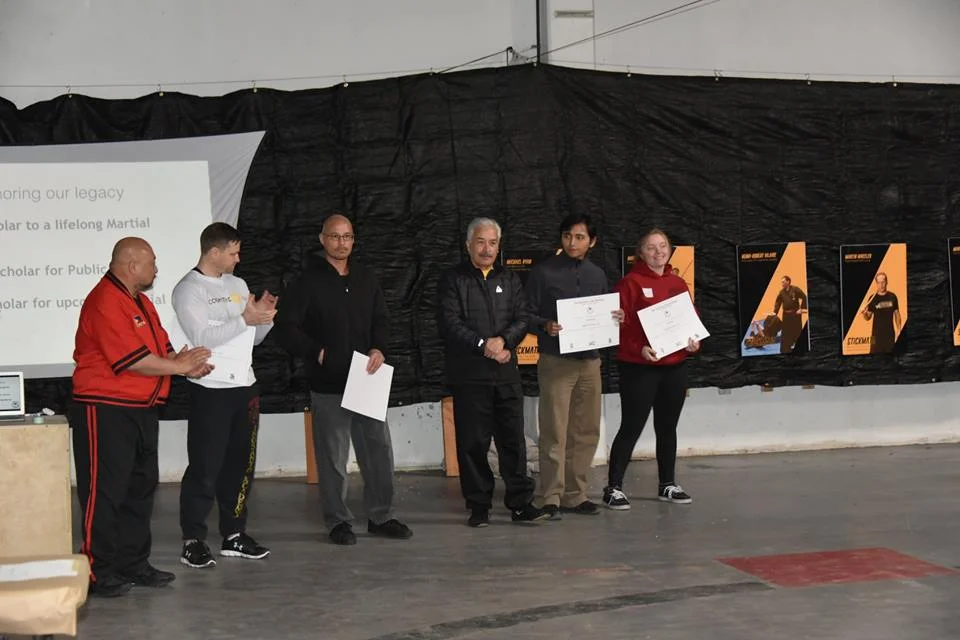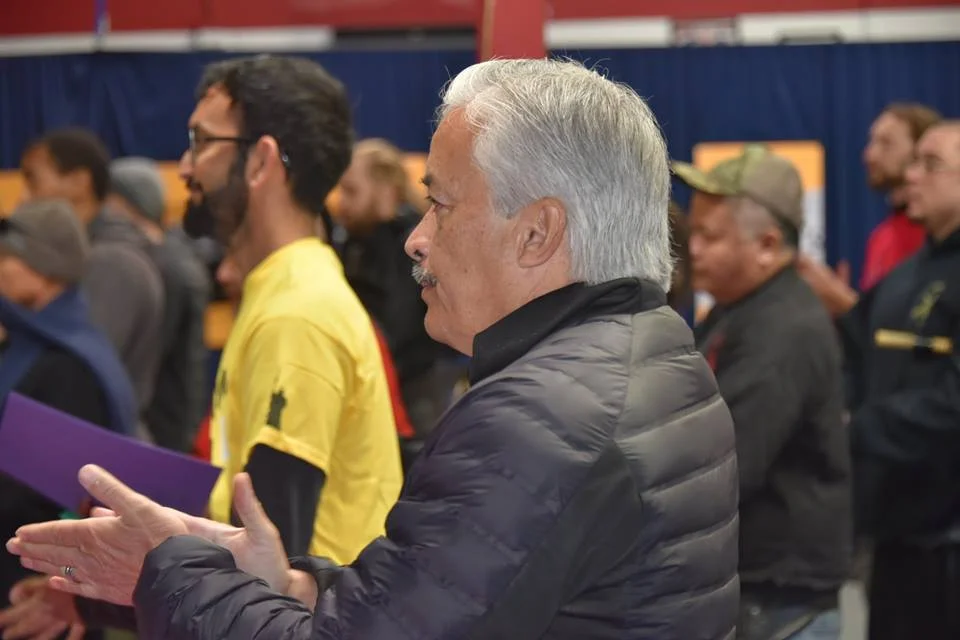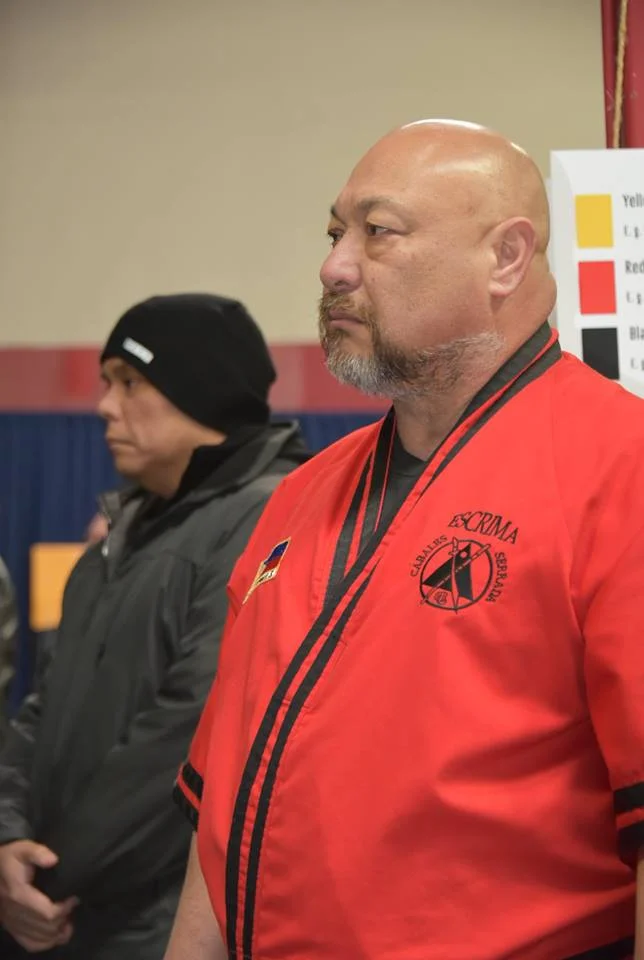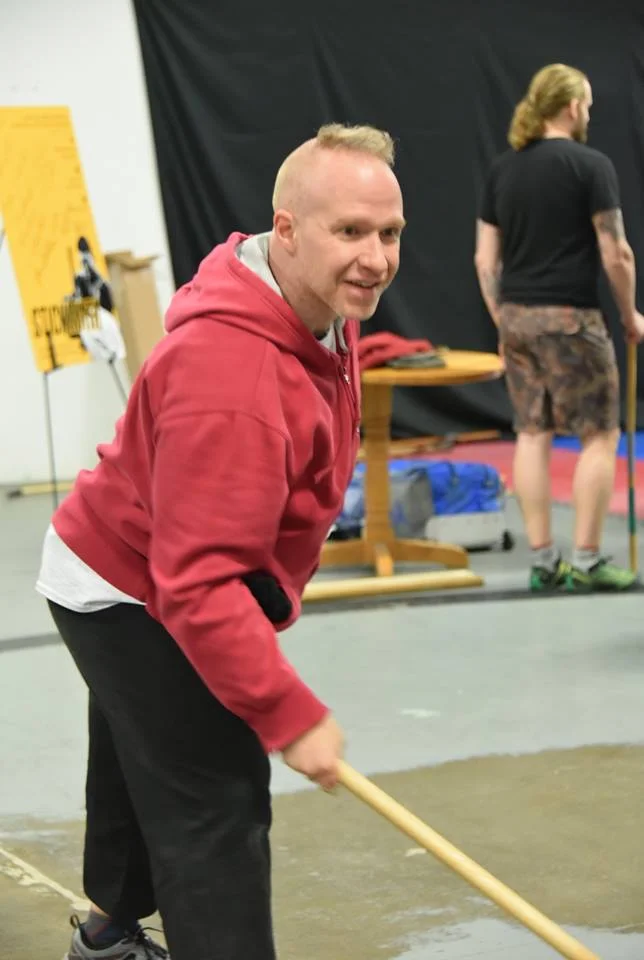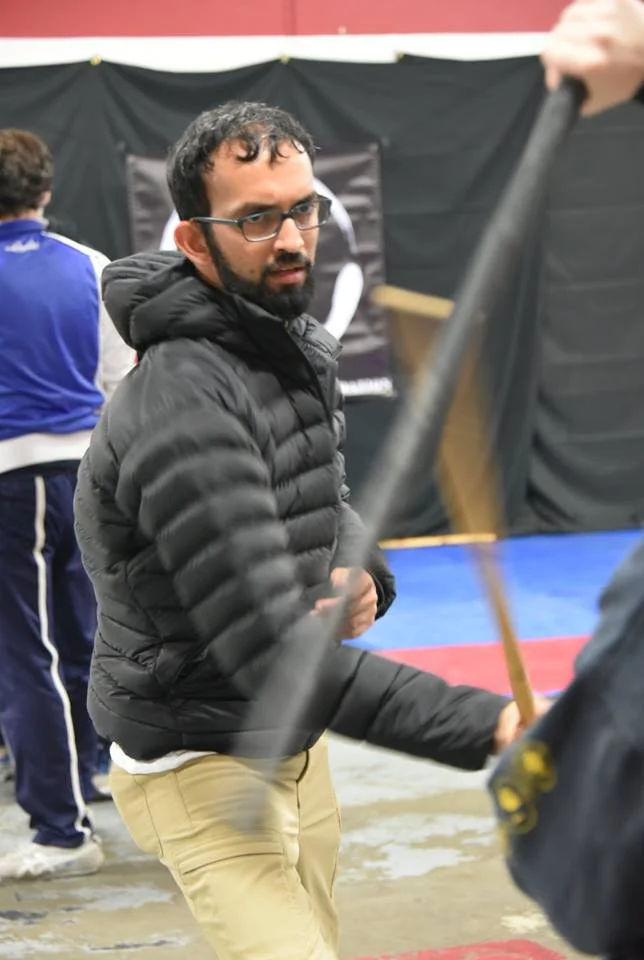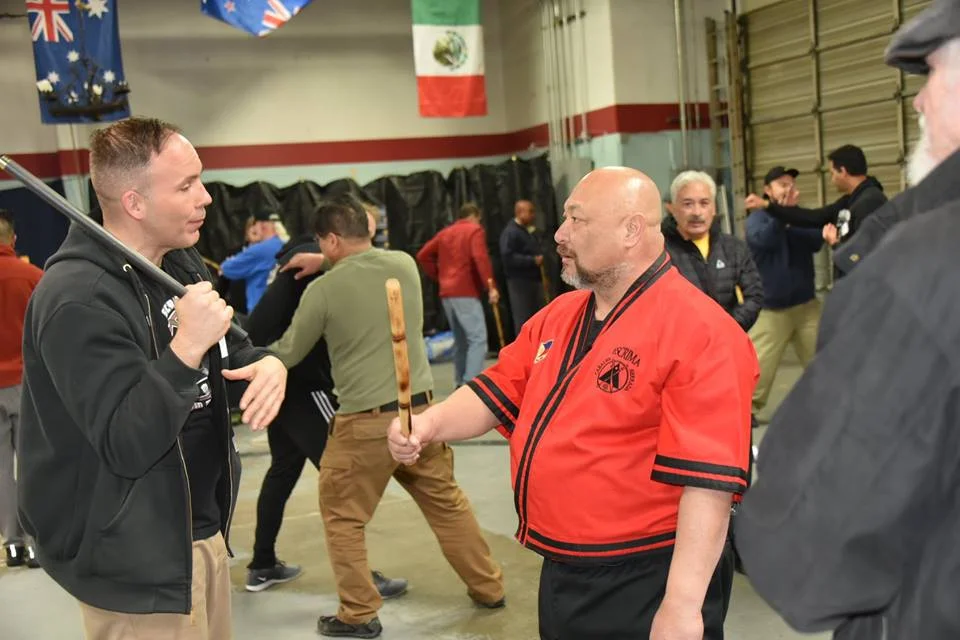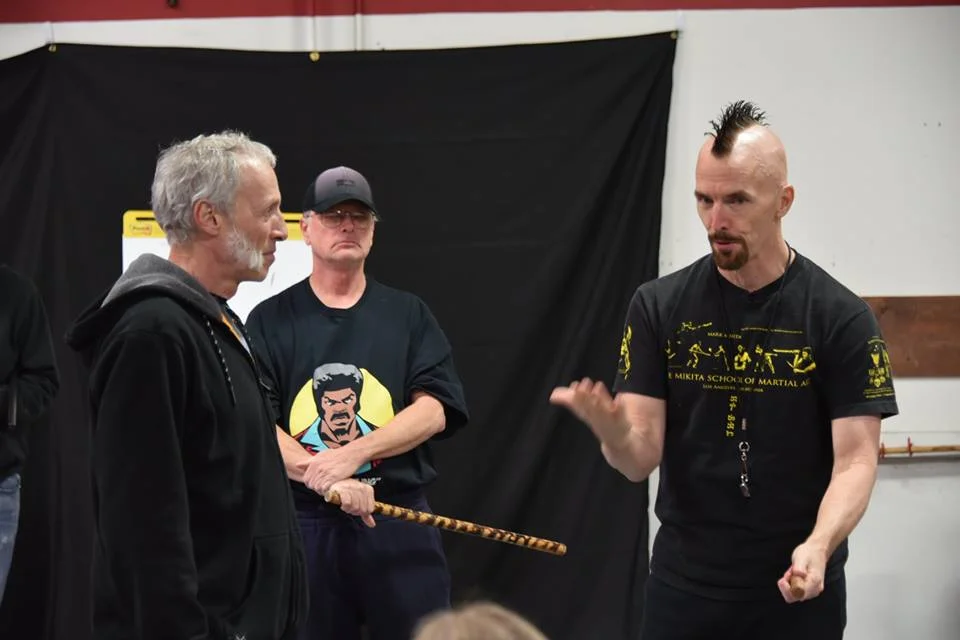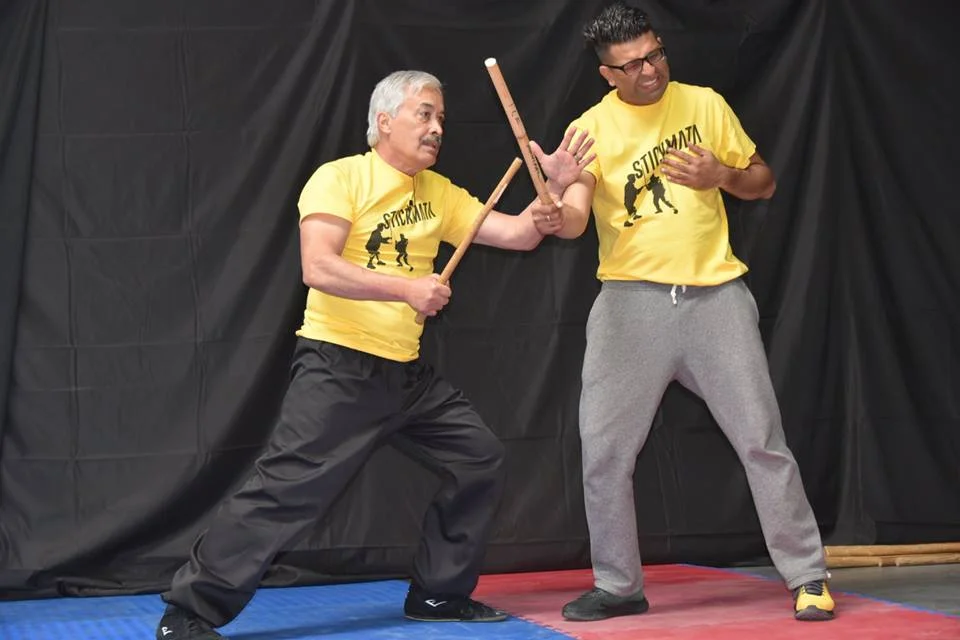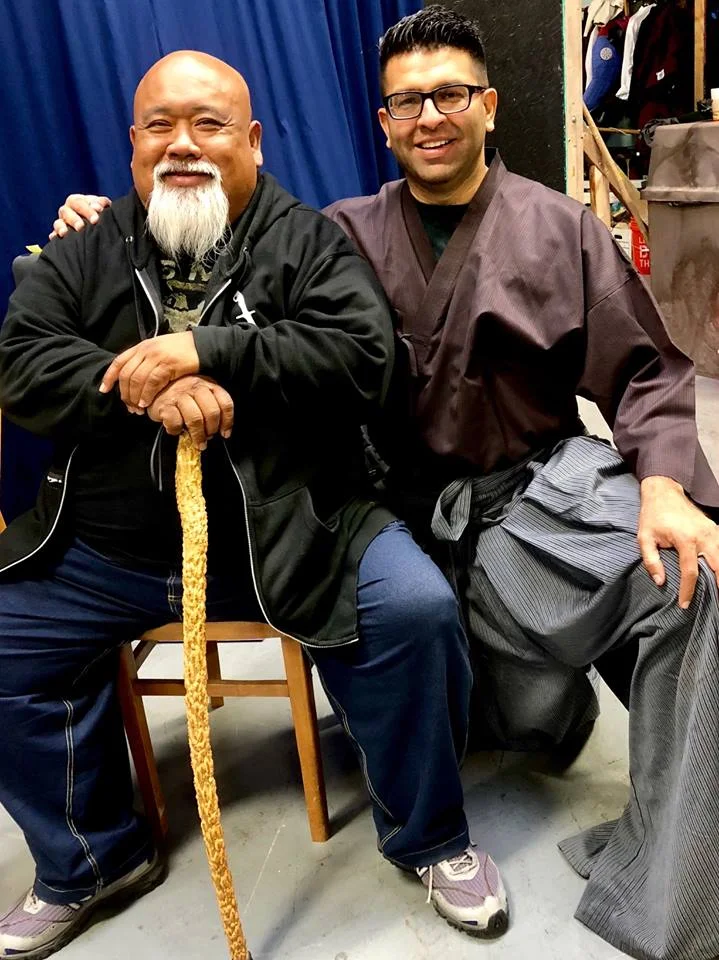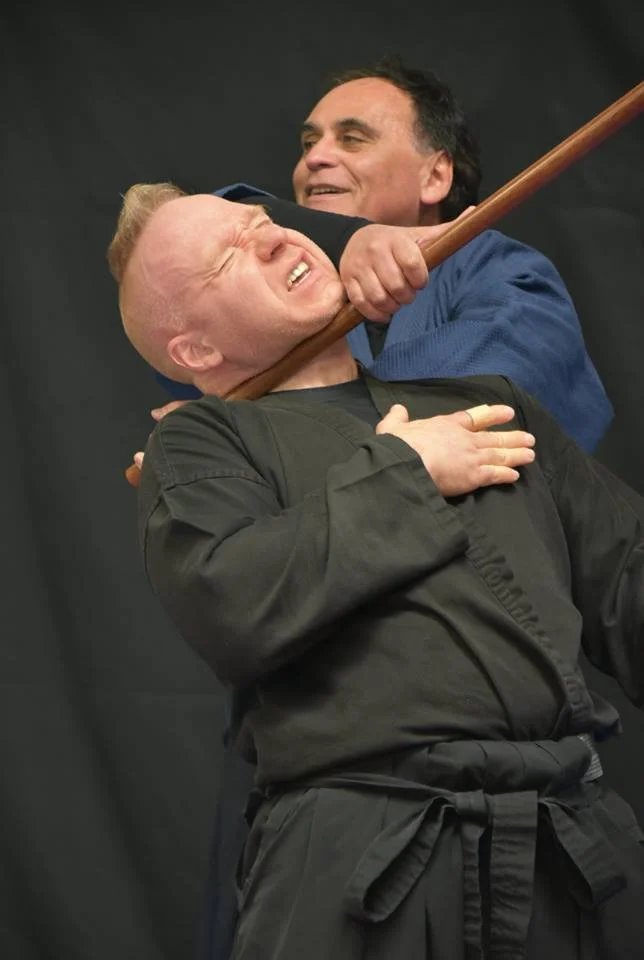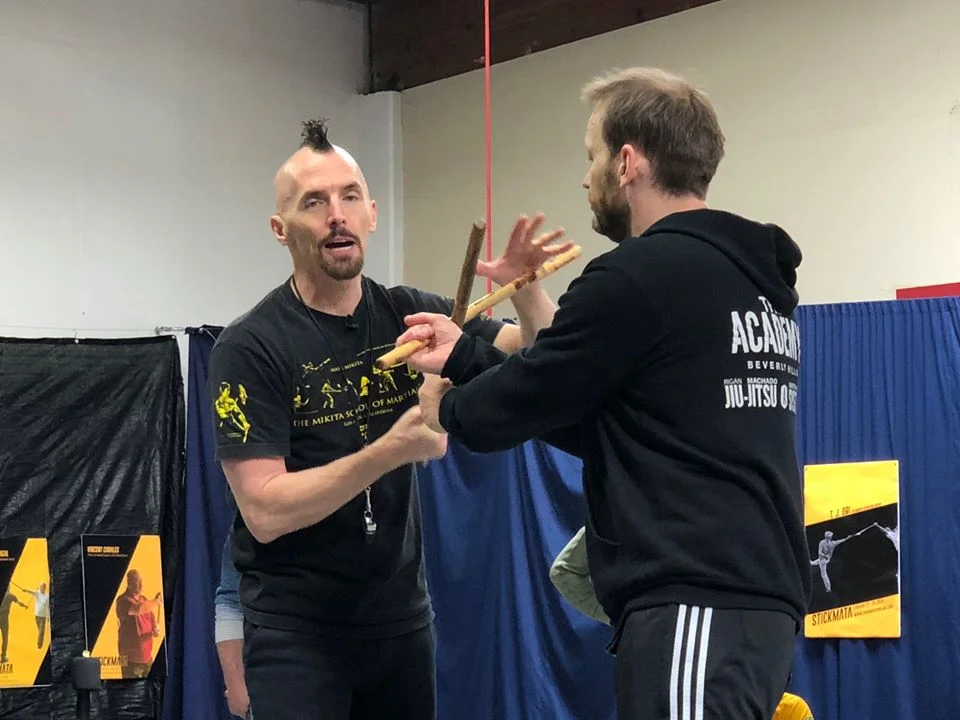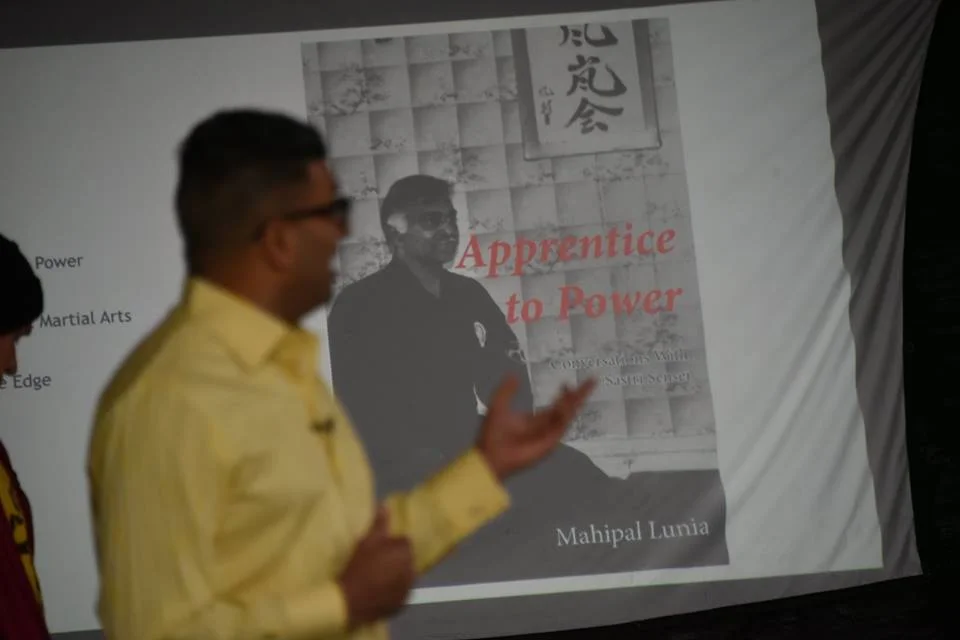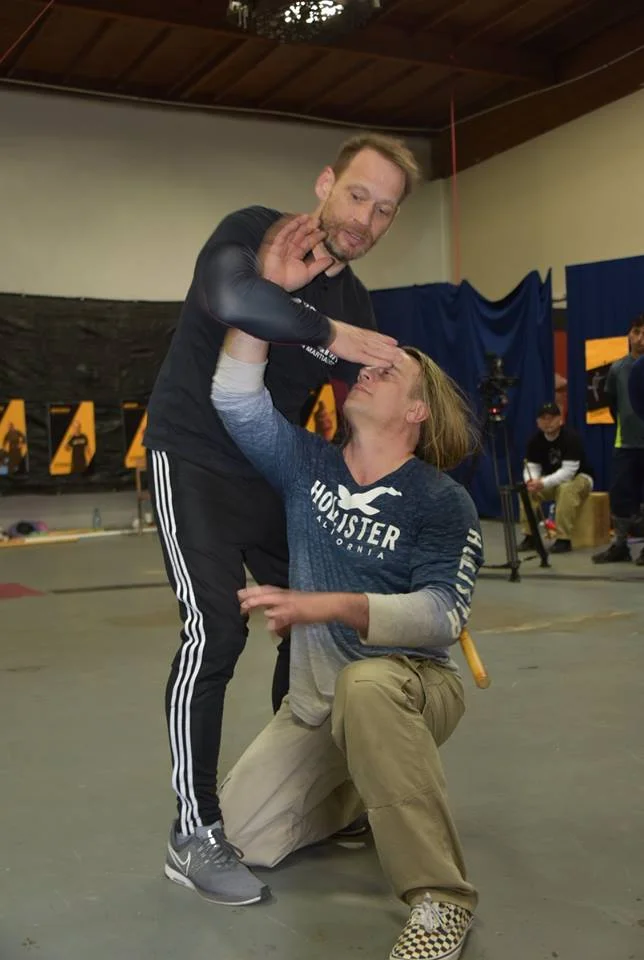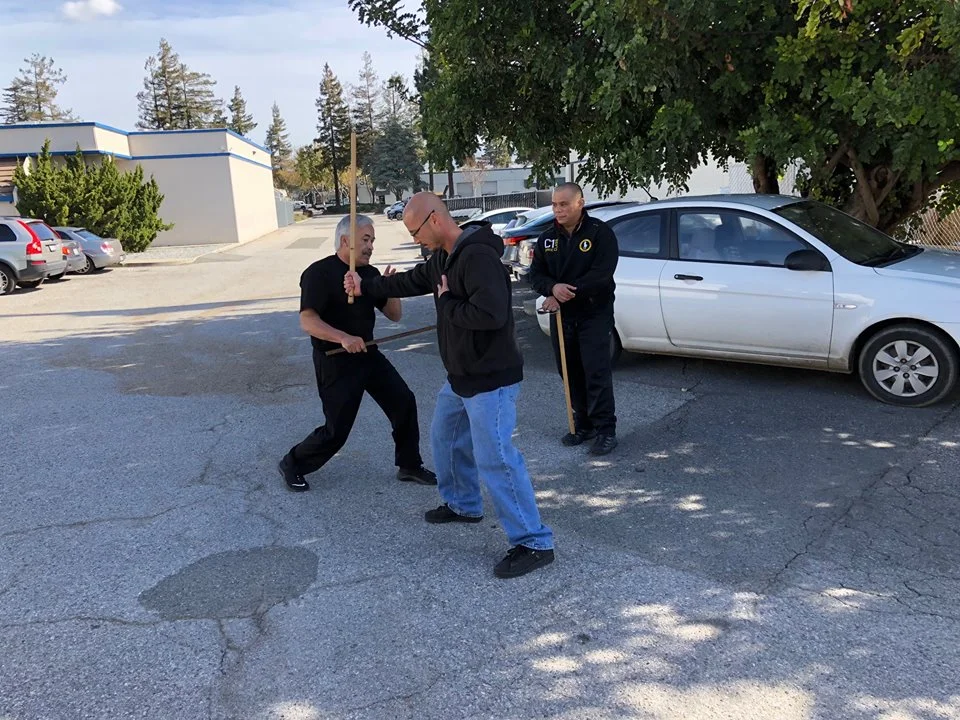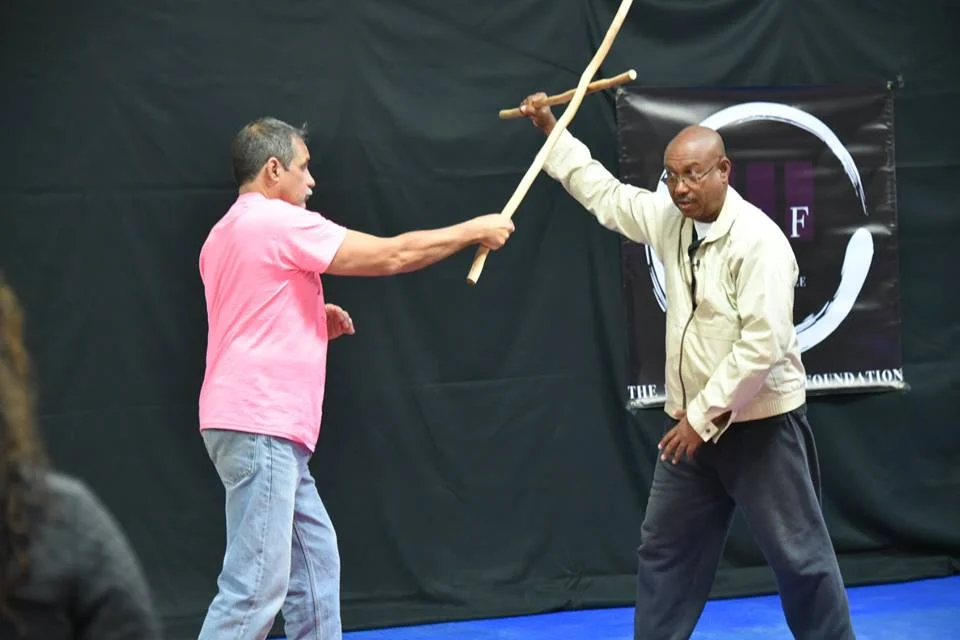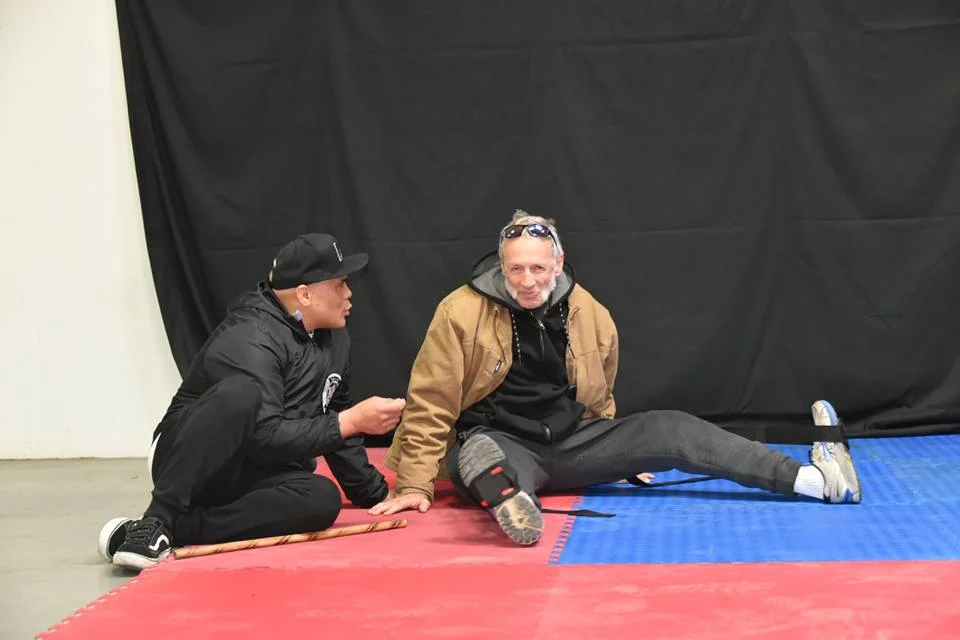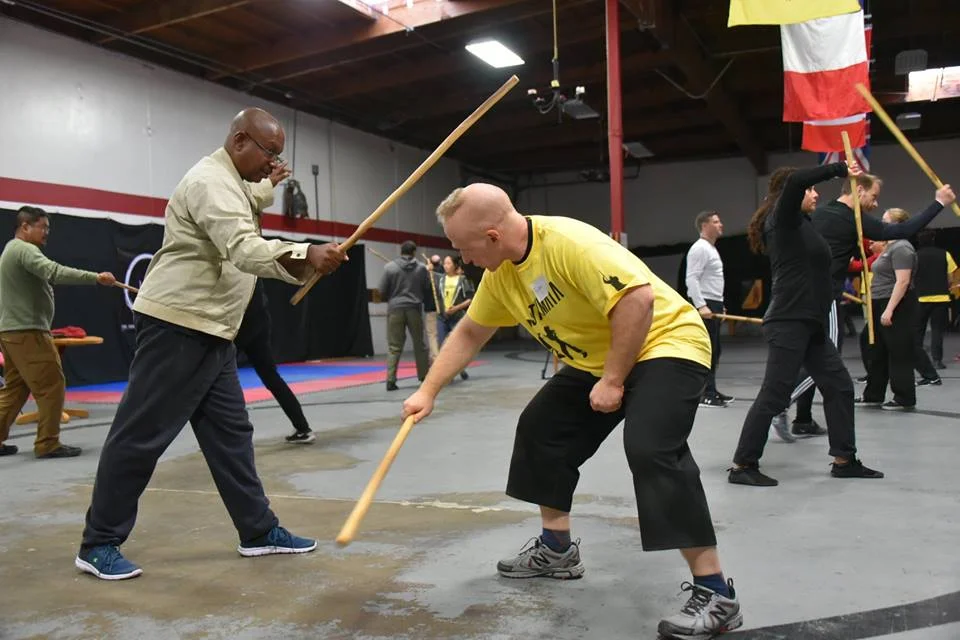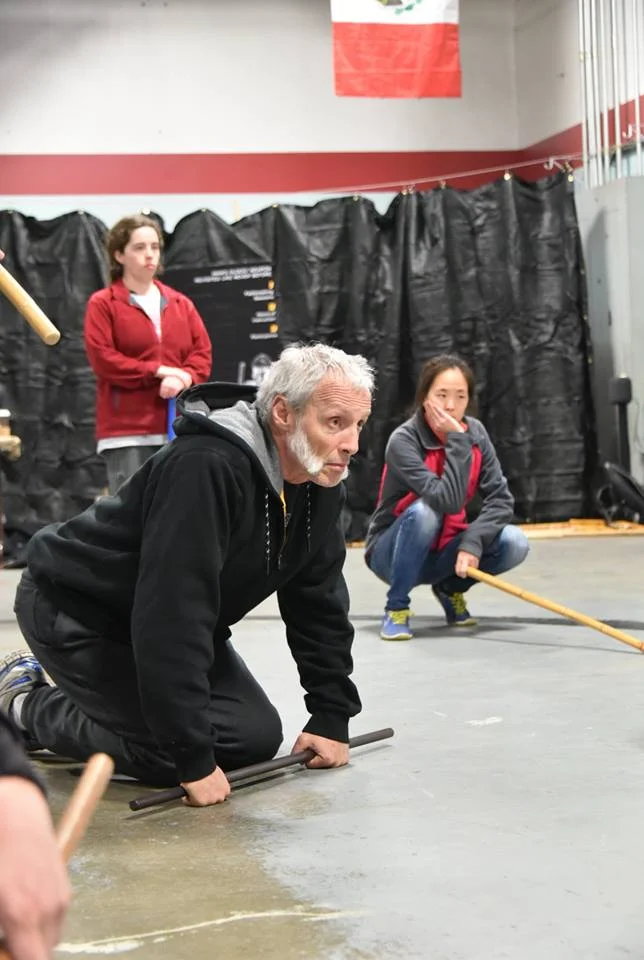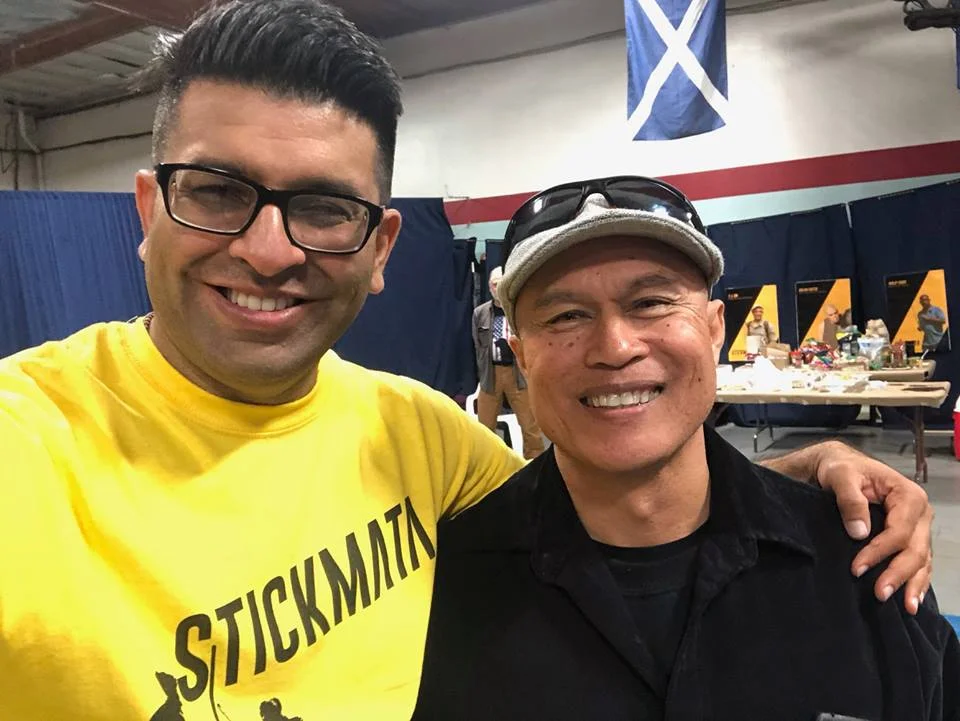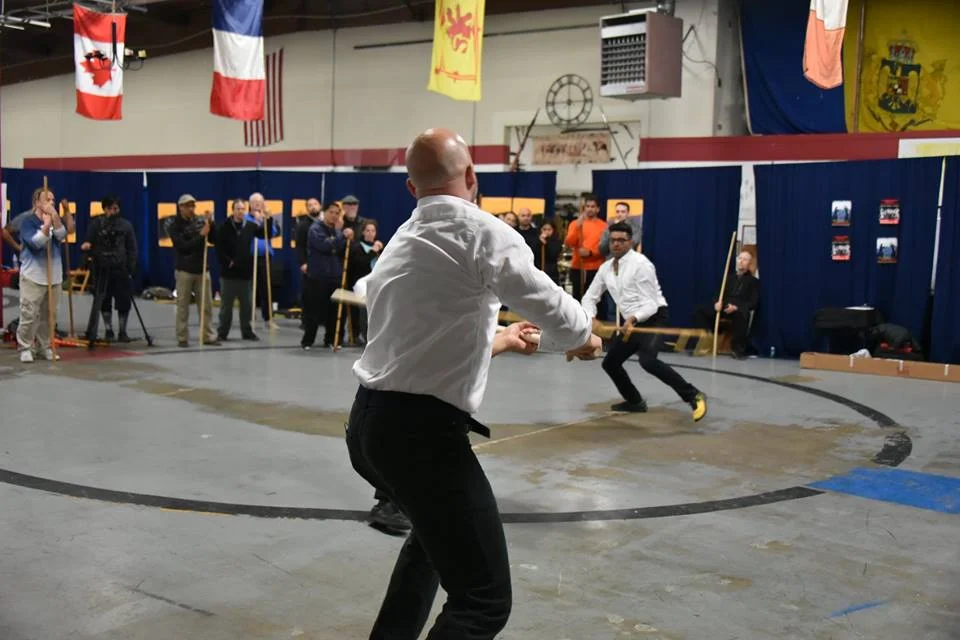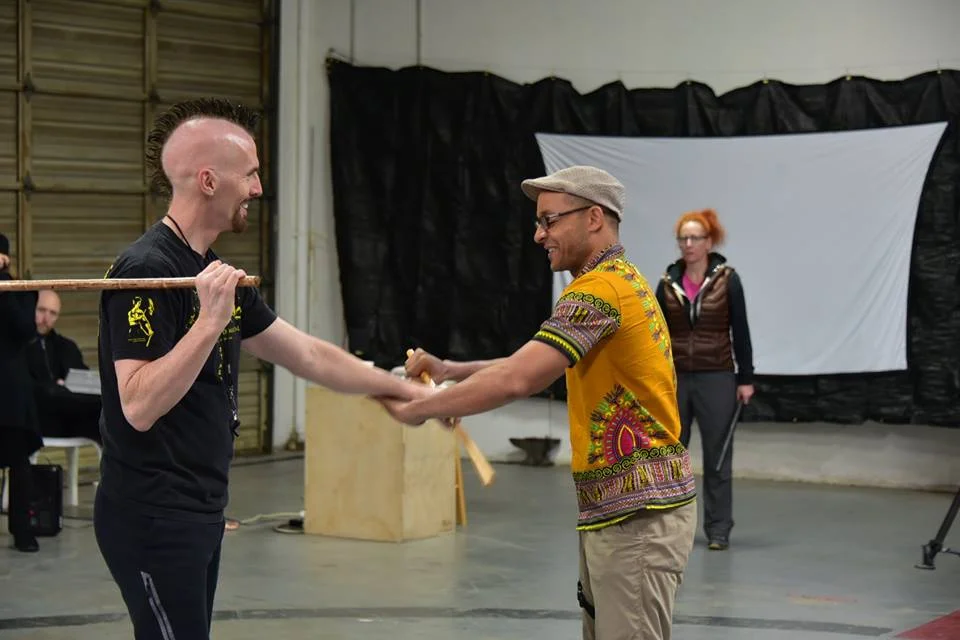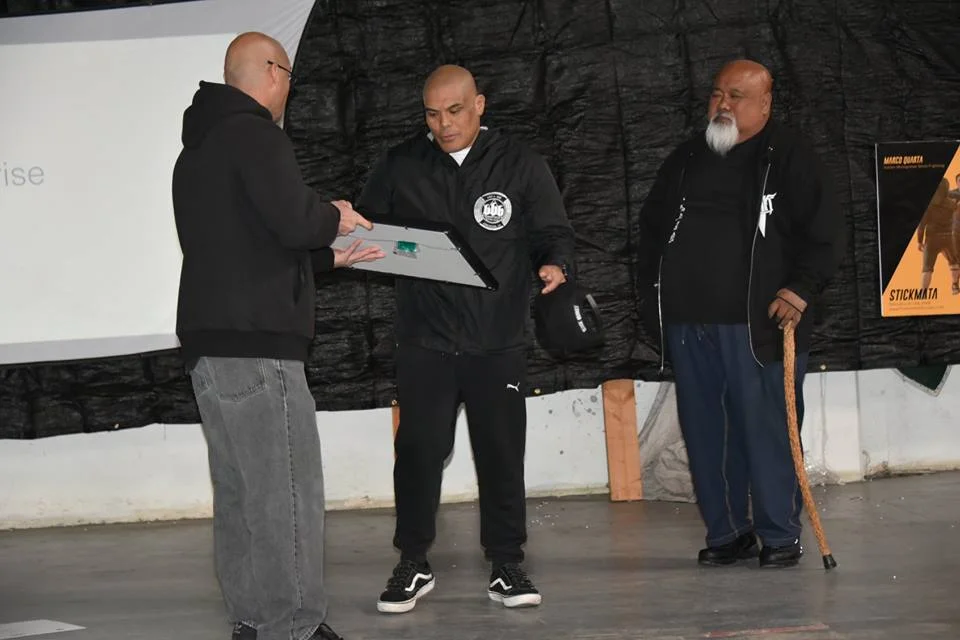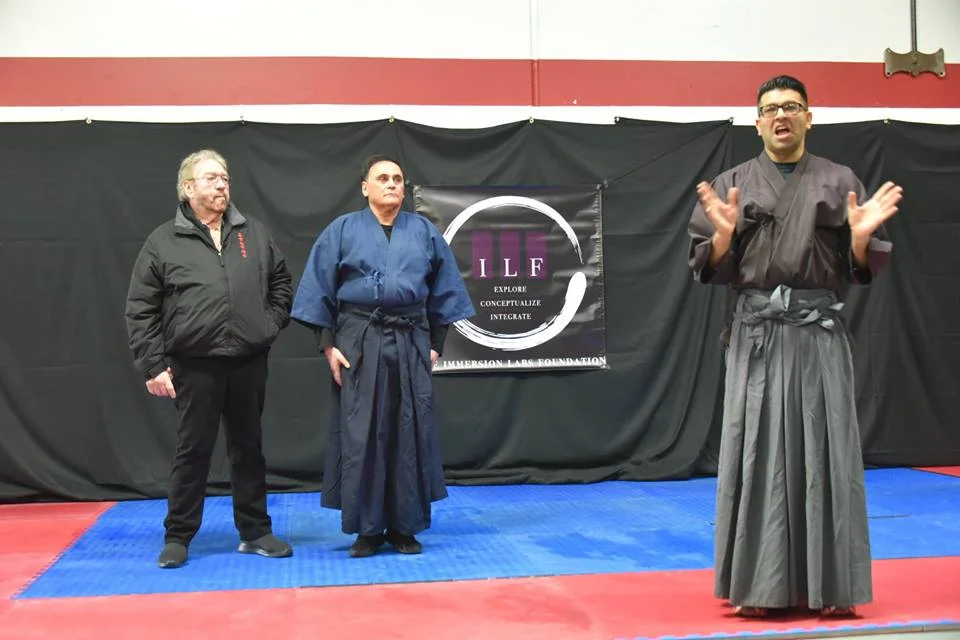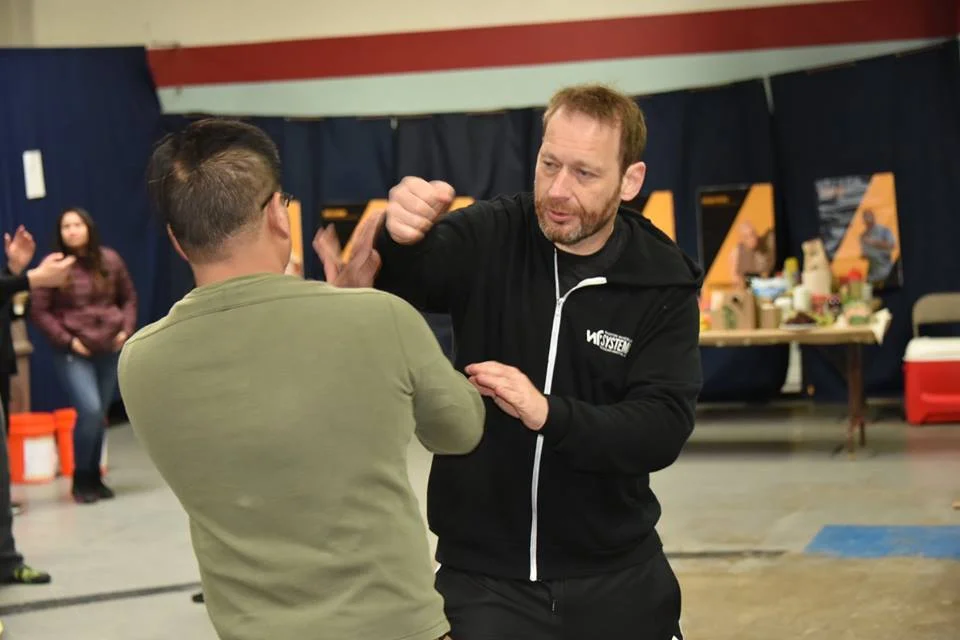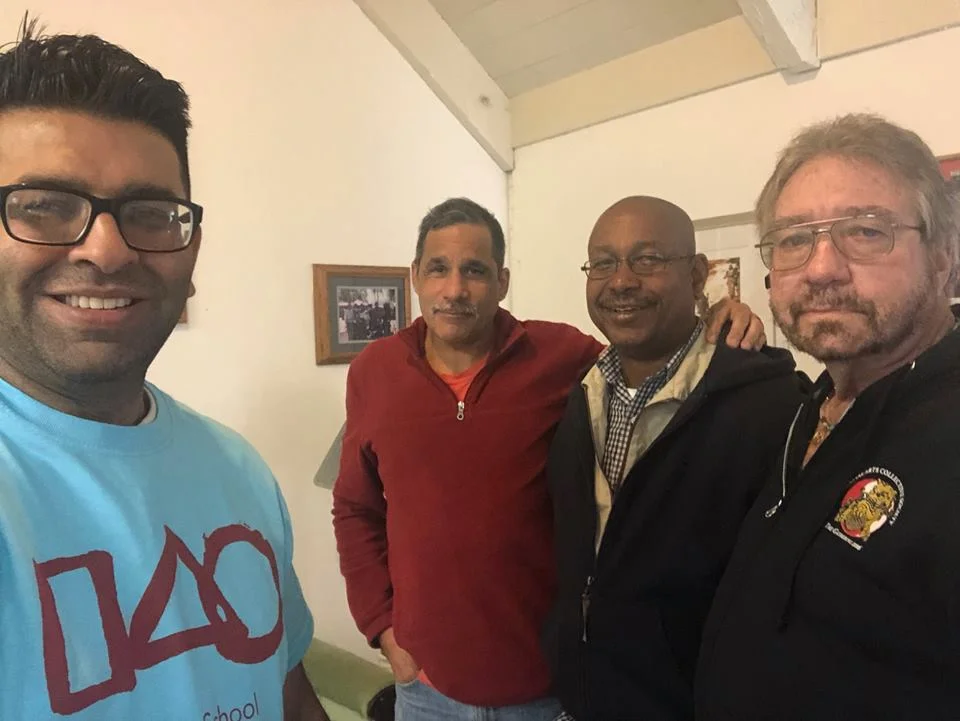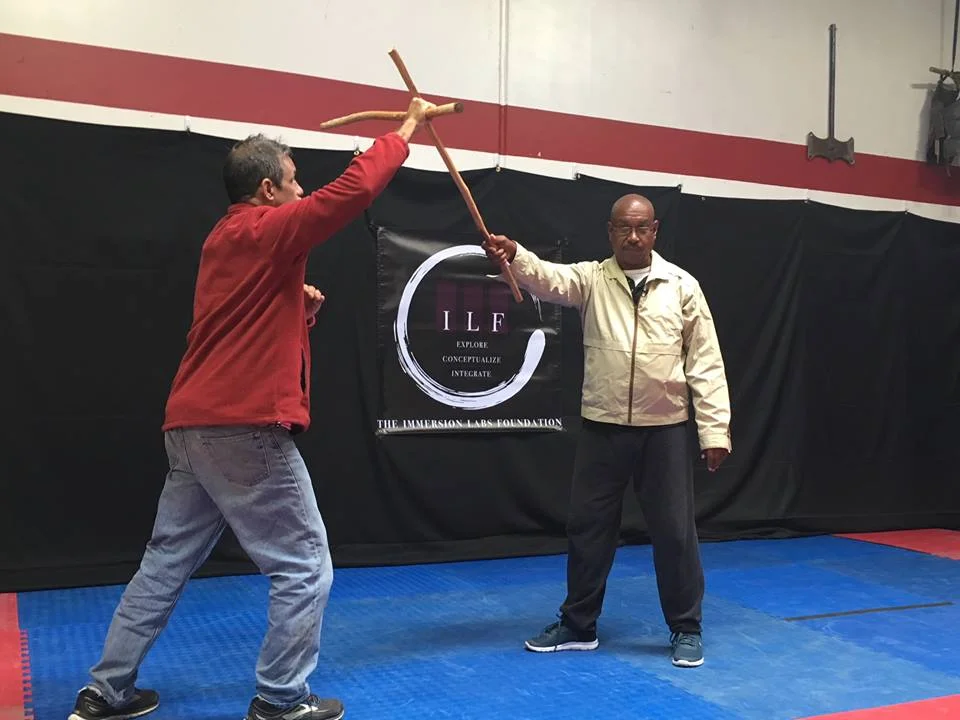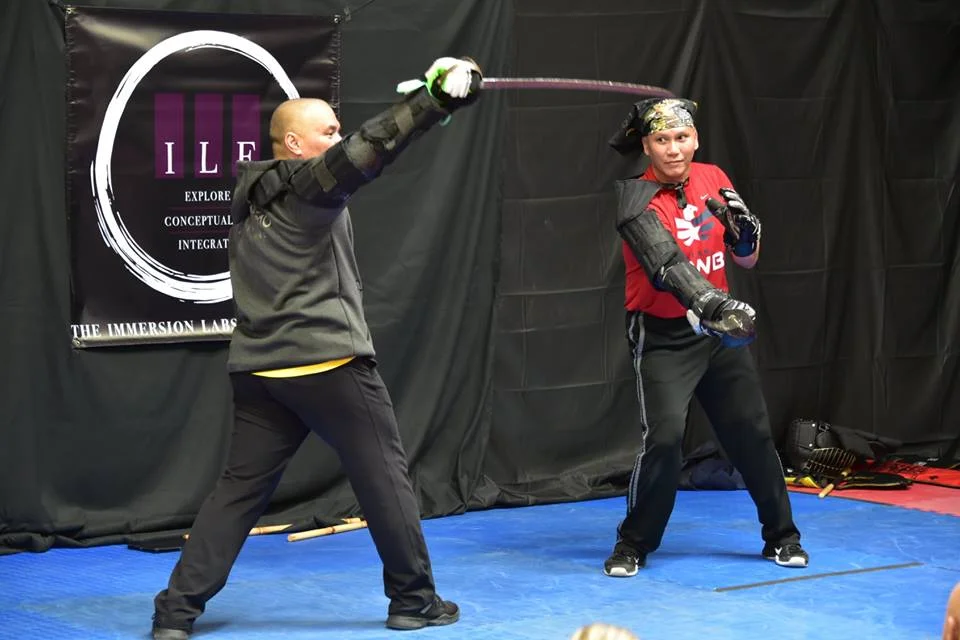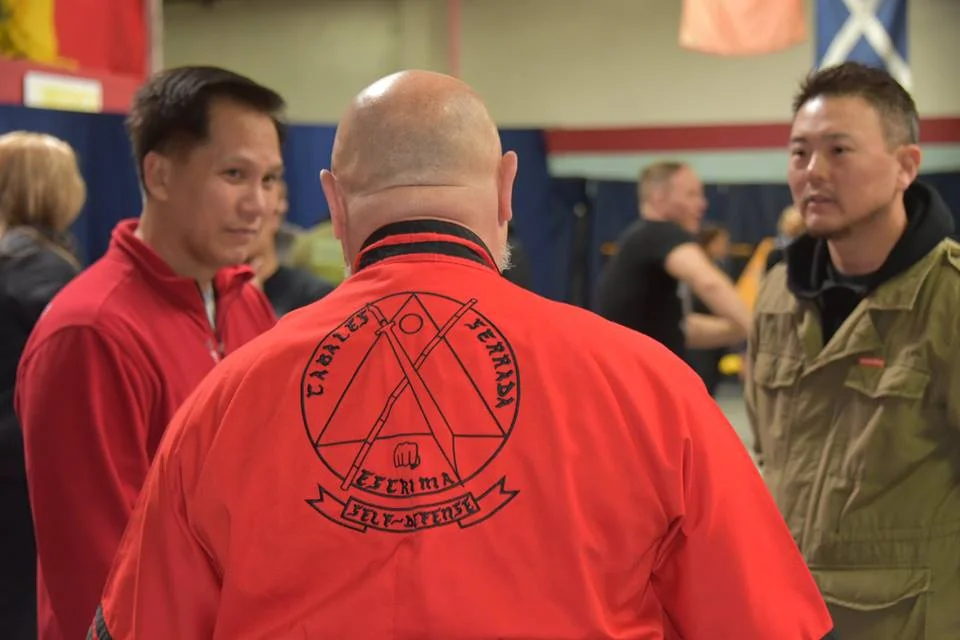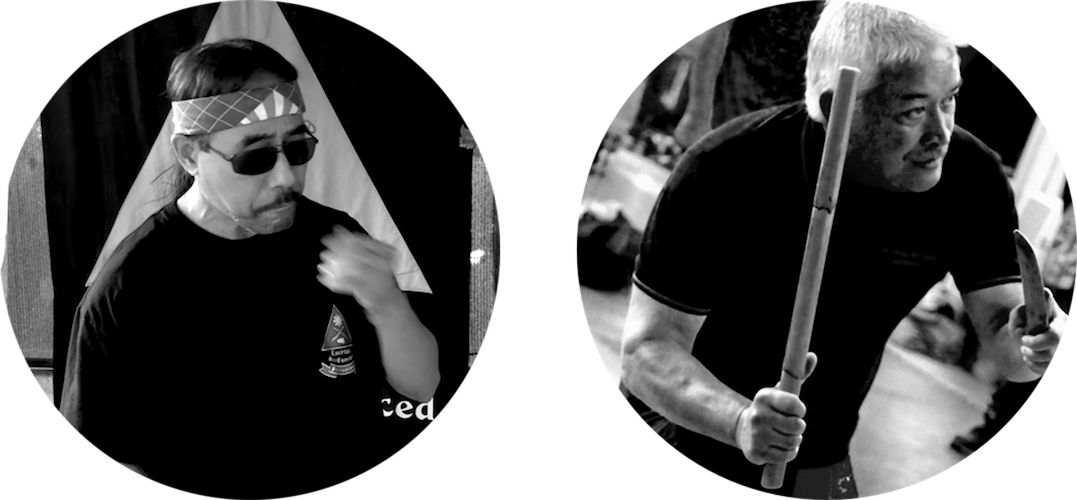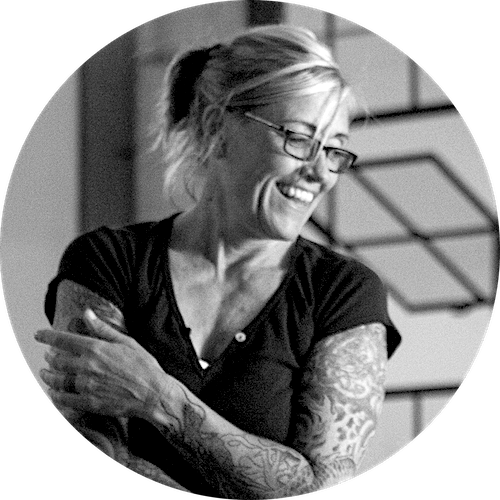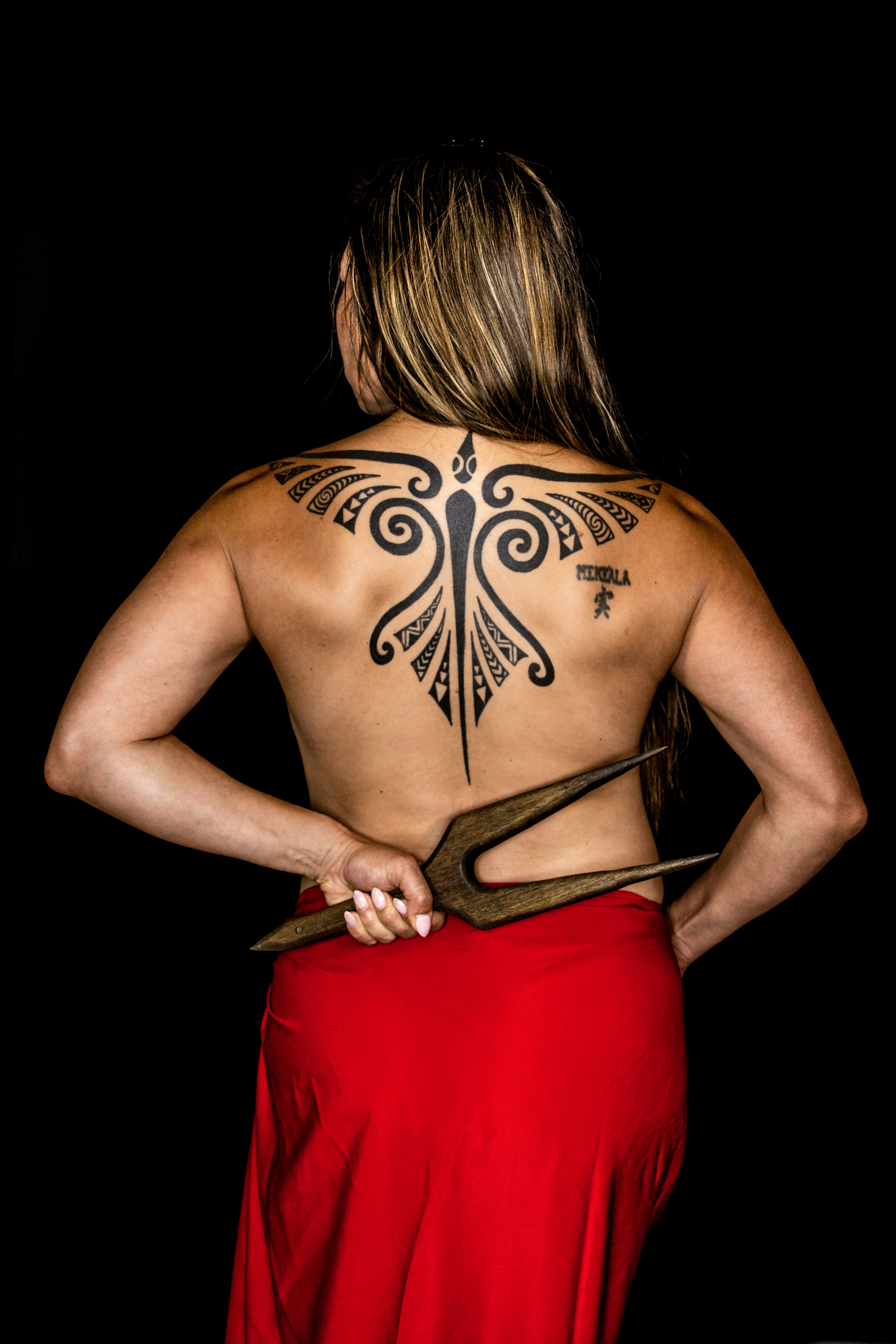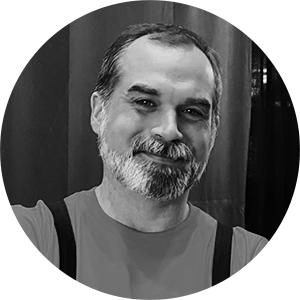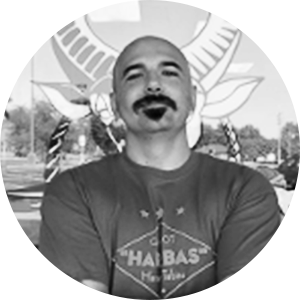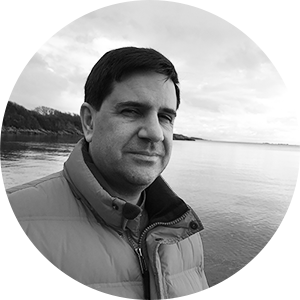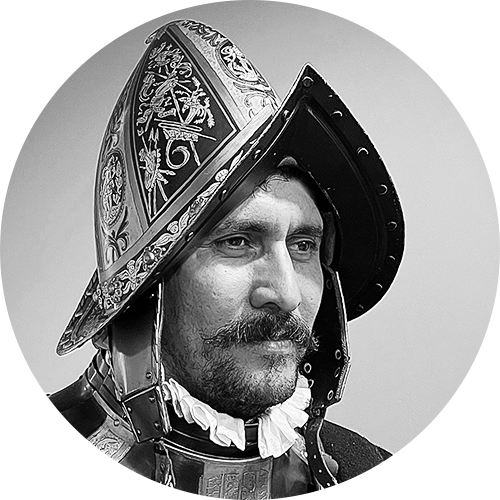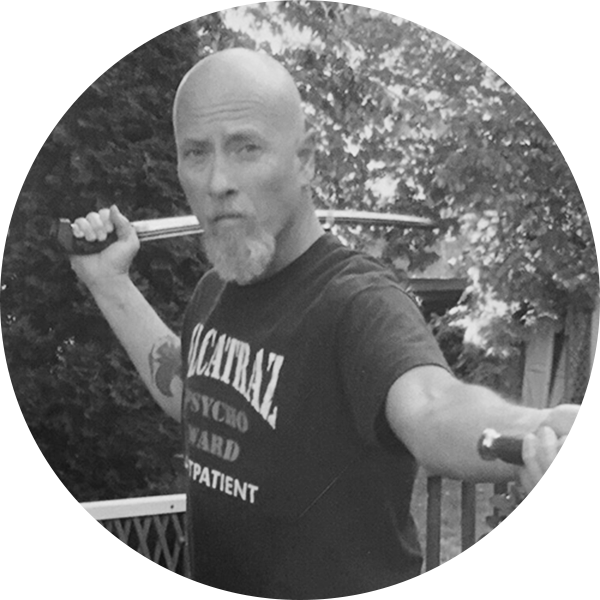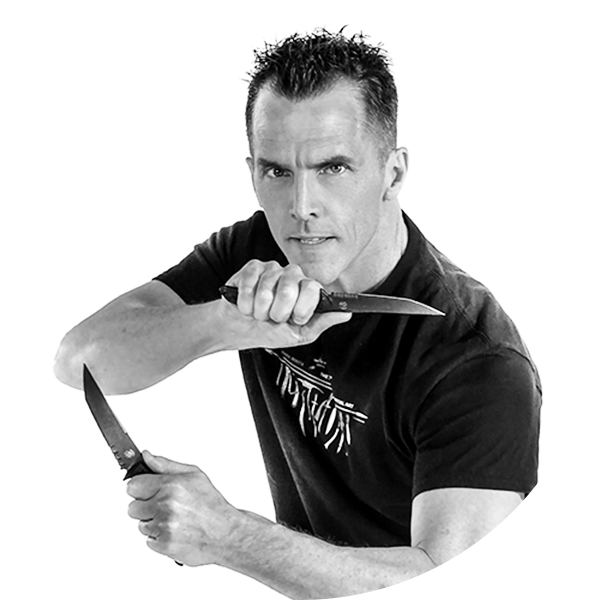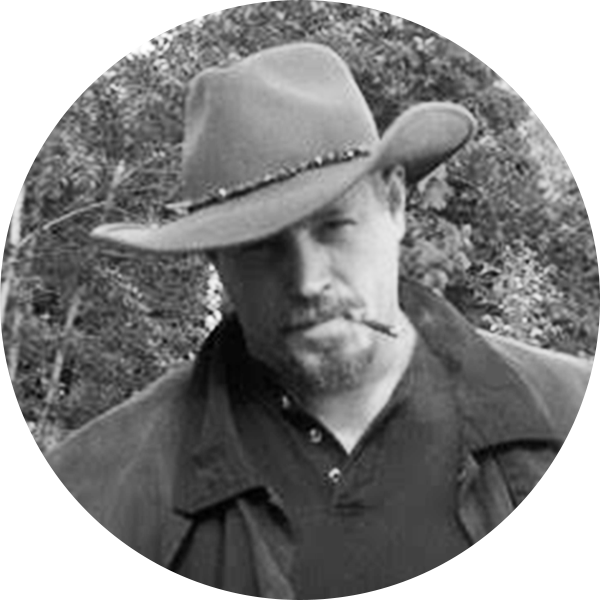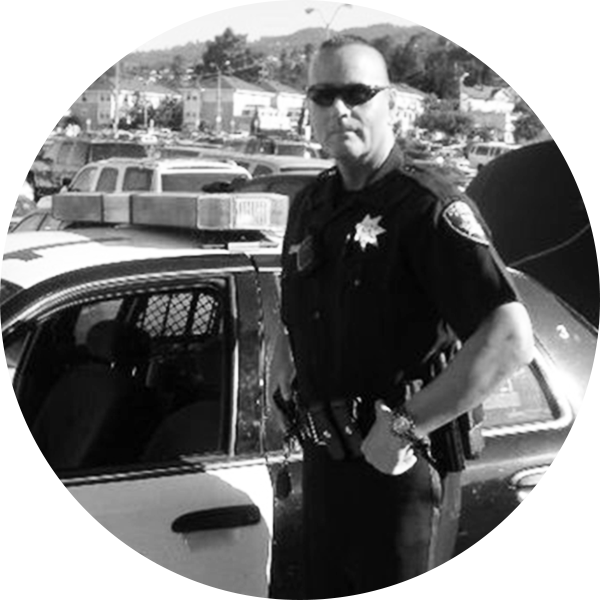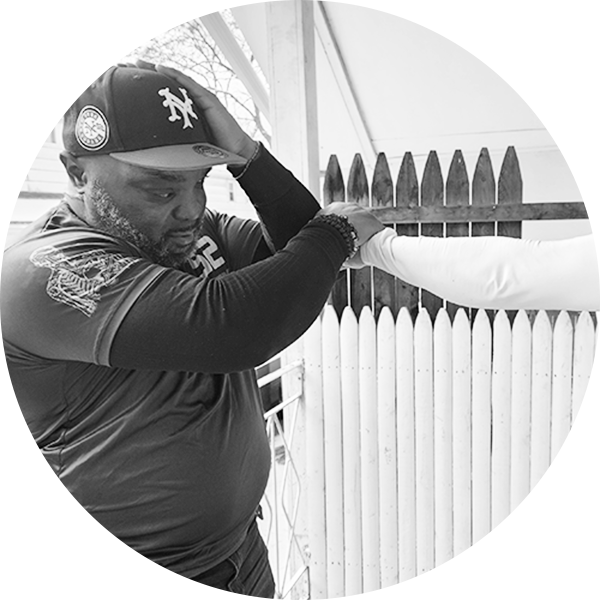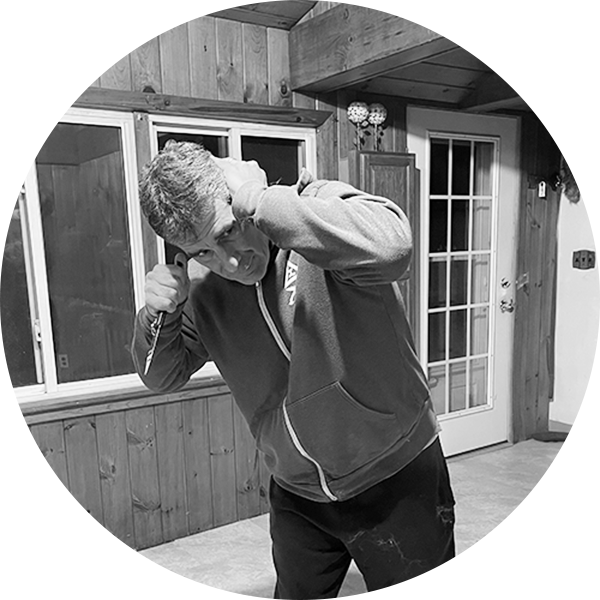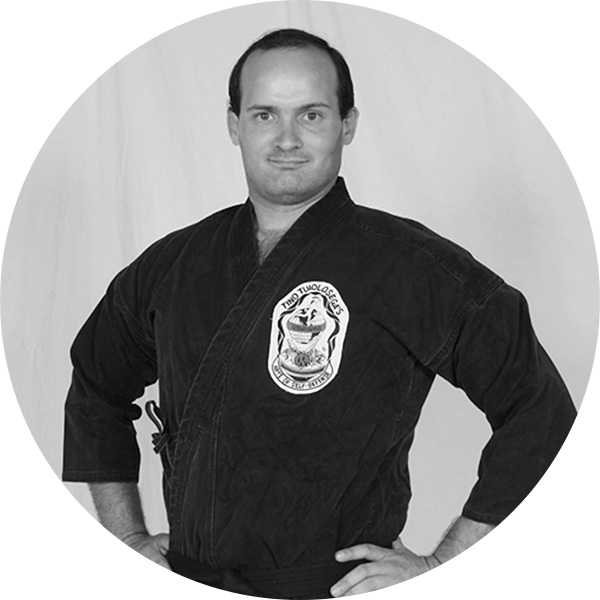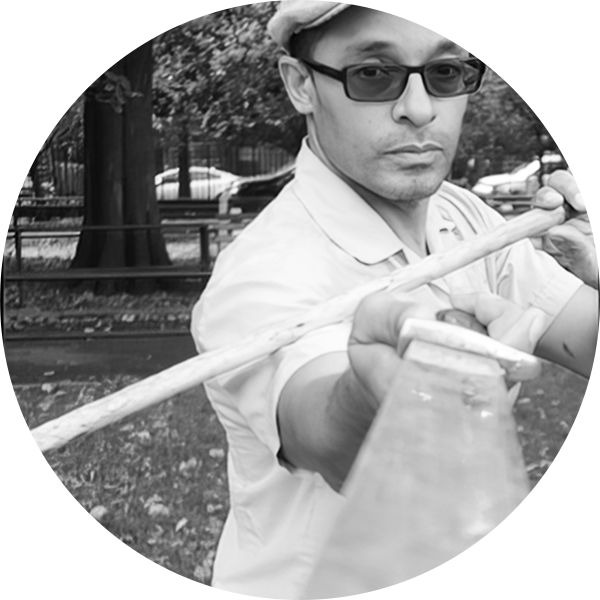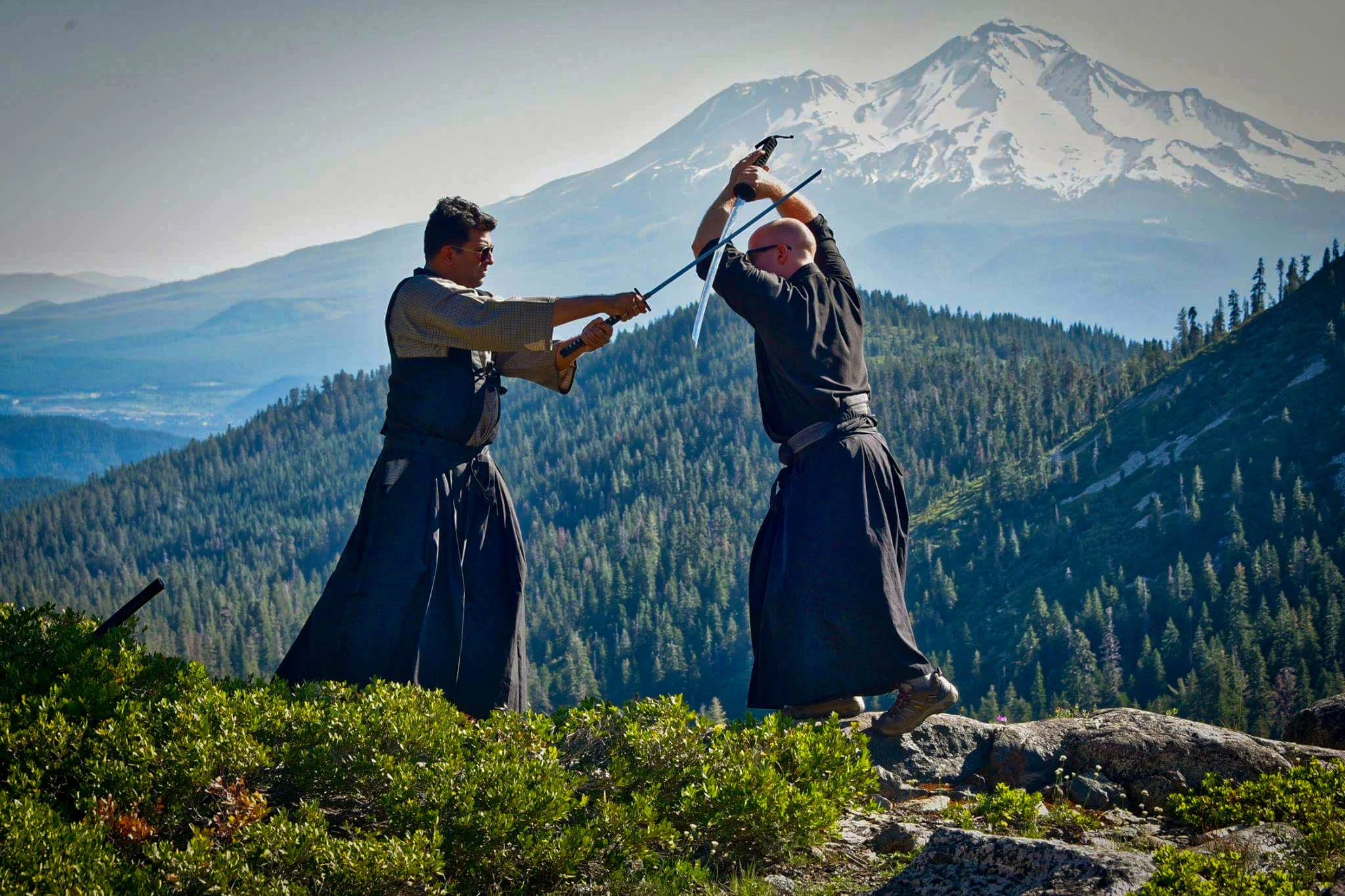
2018
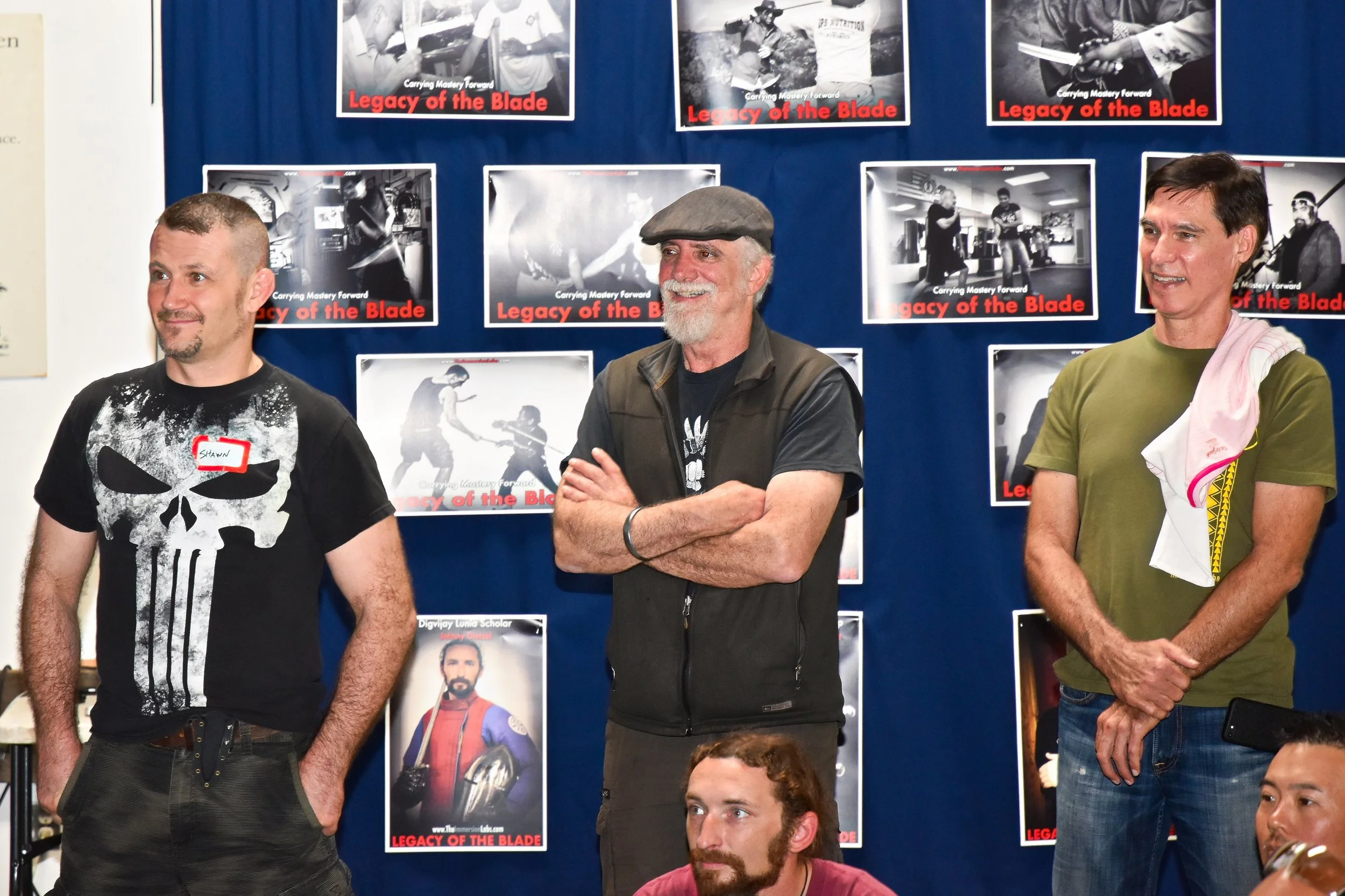
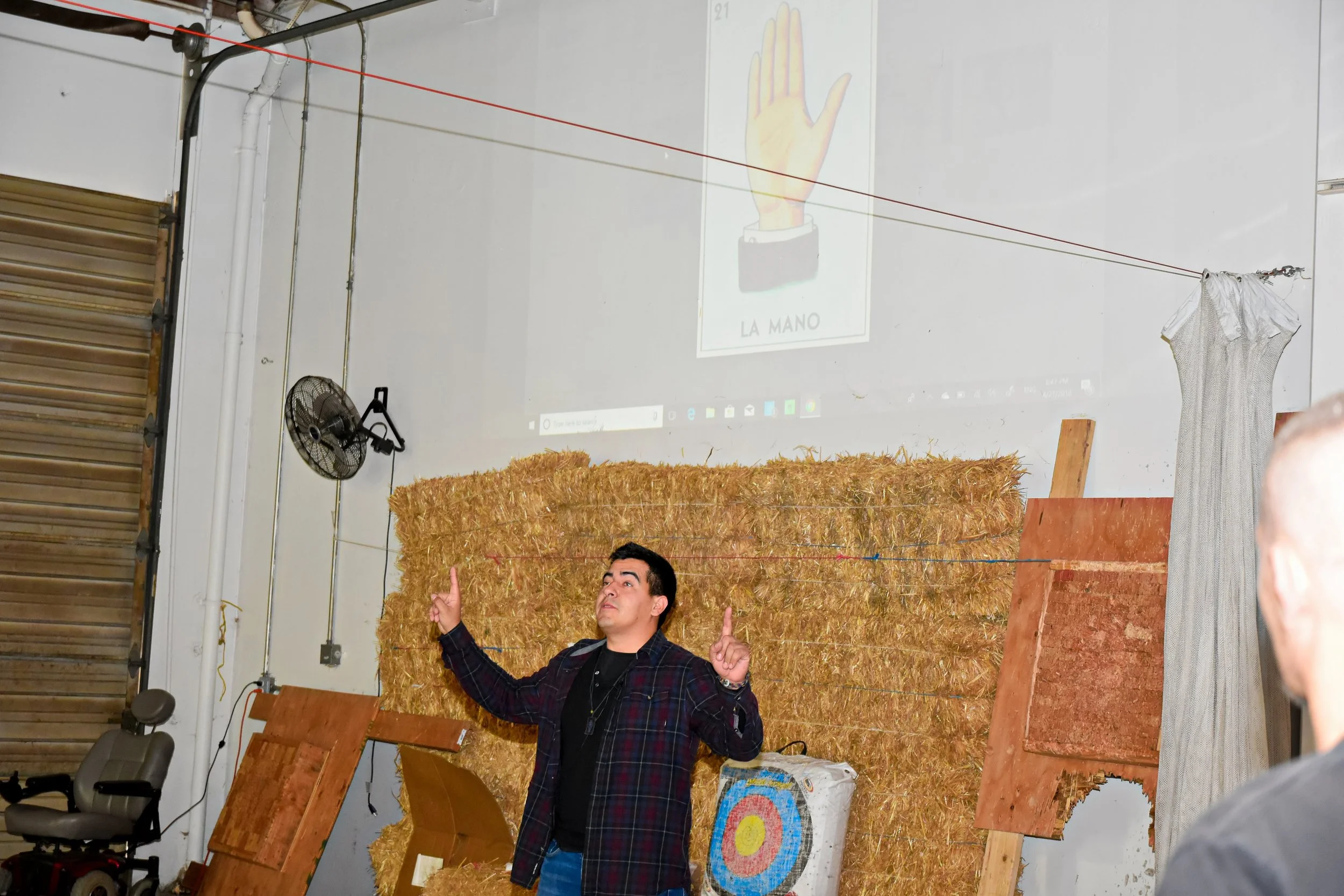
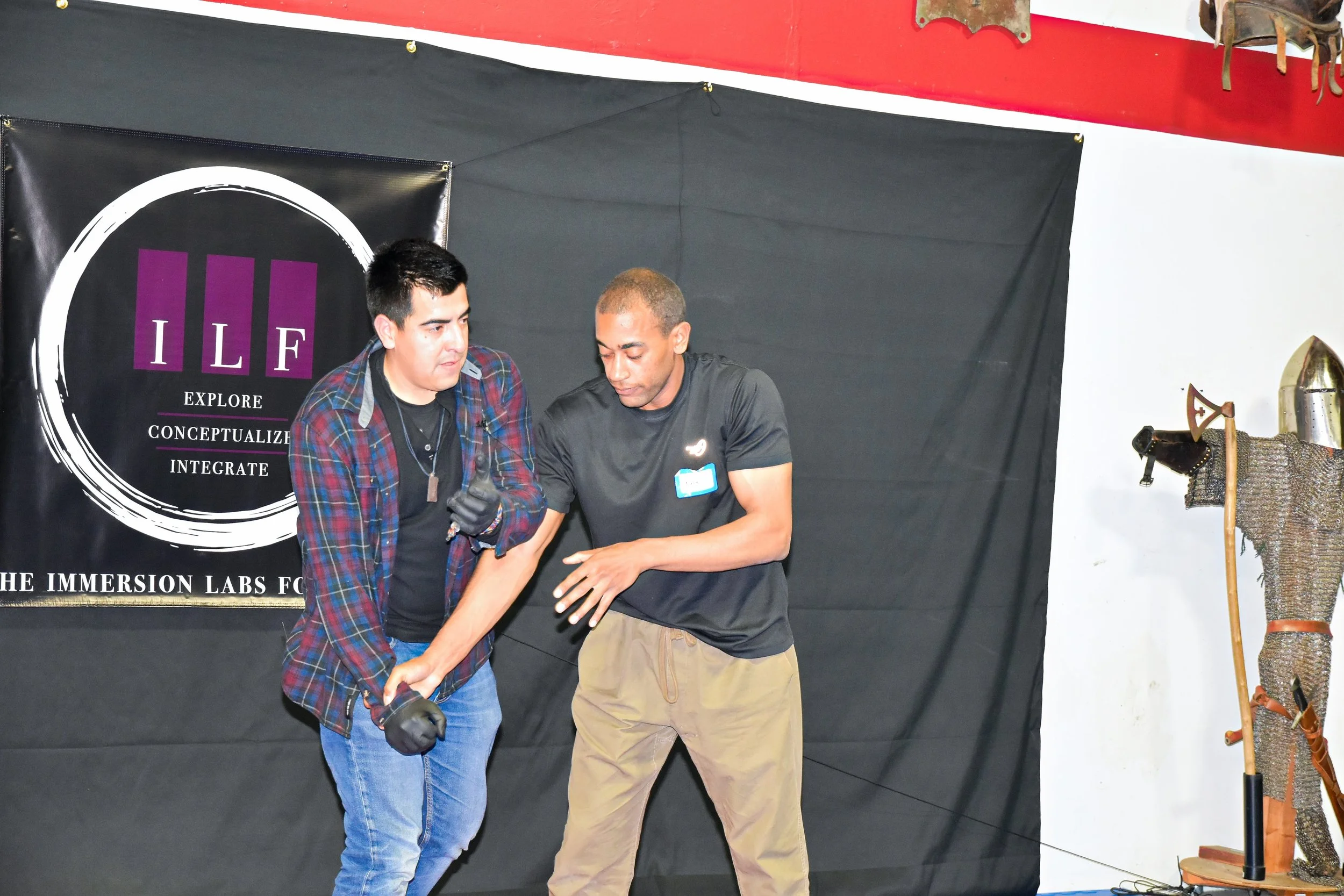
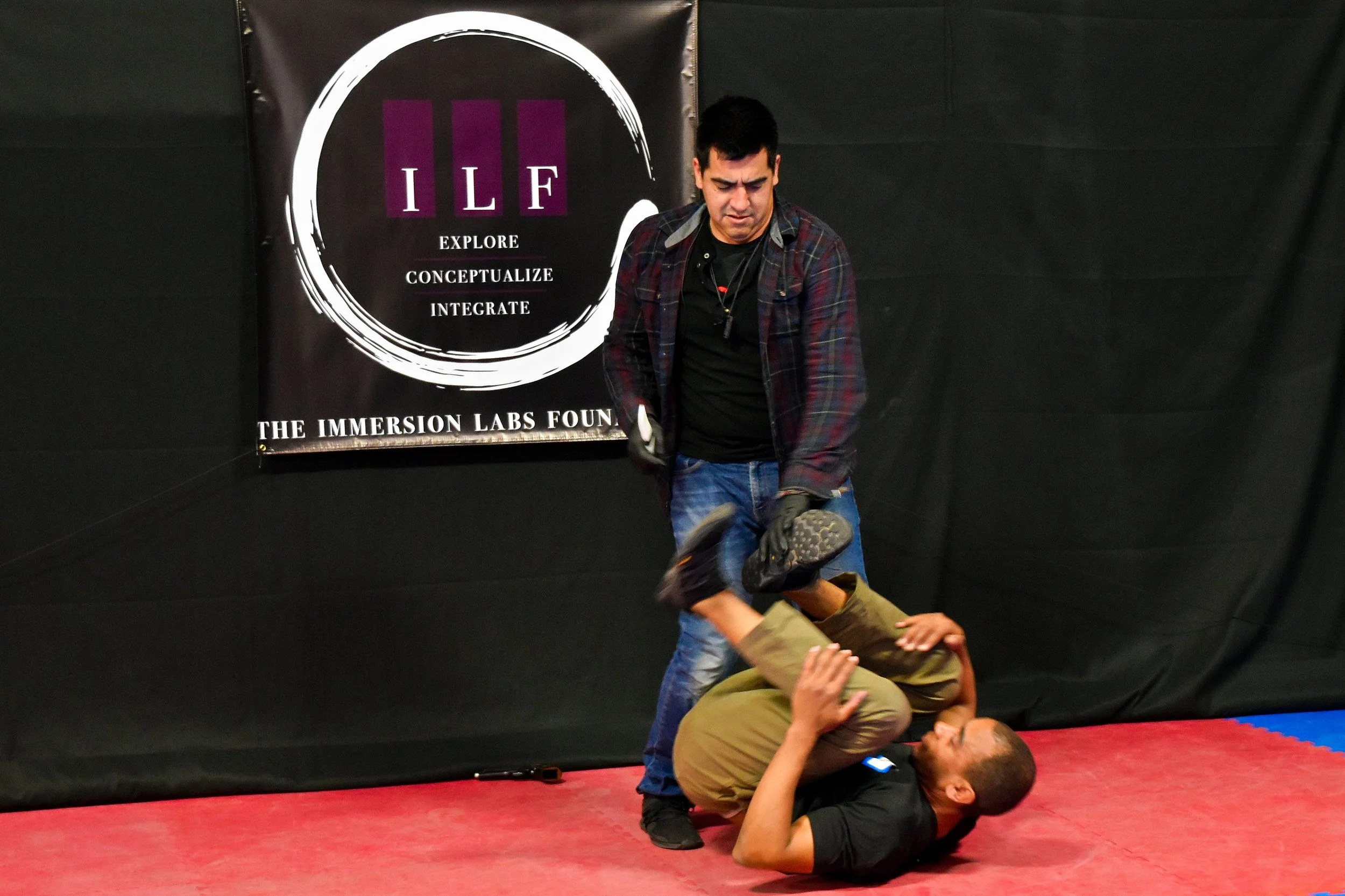
Legacy Of The Blade
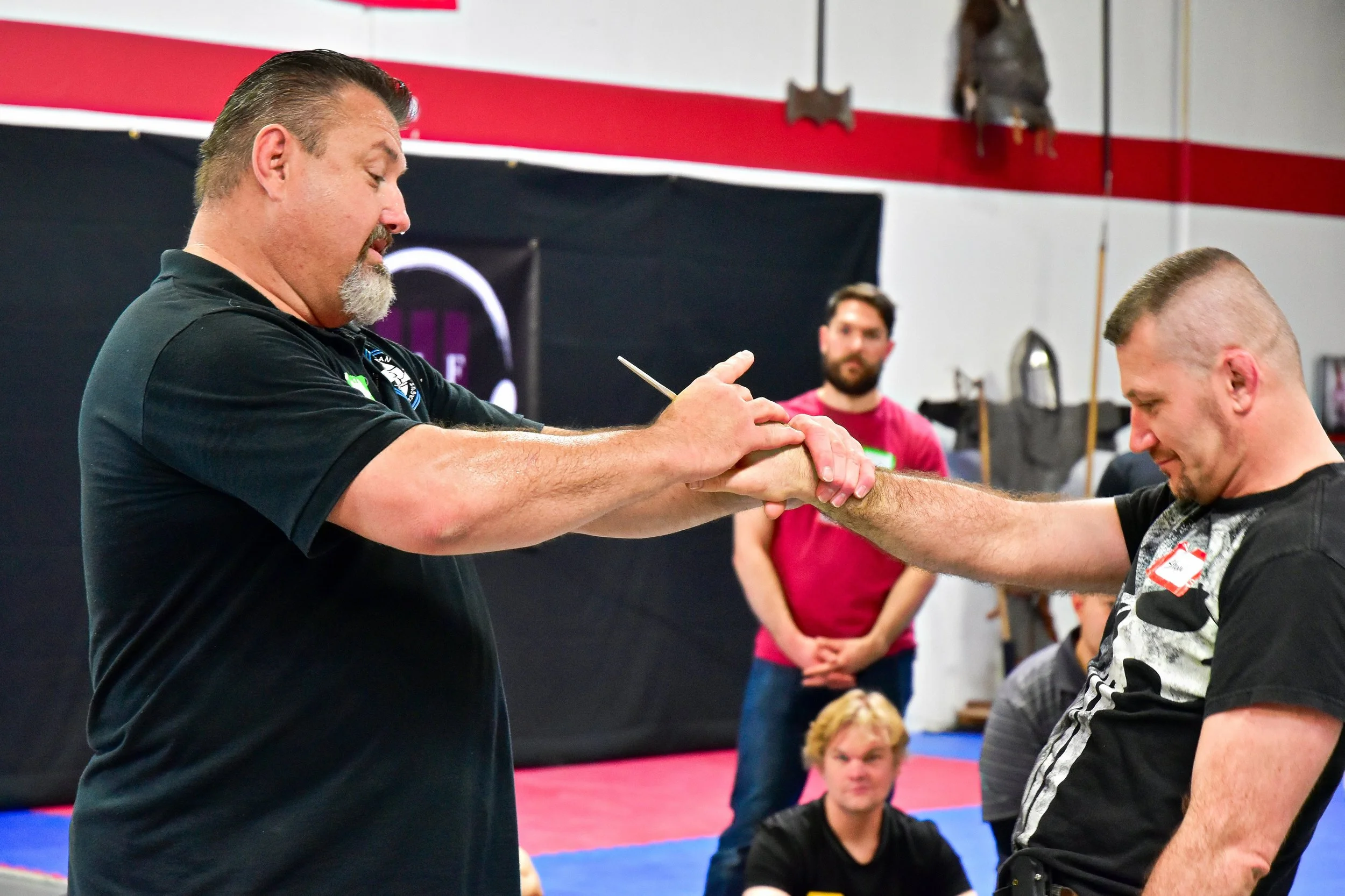
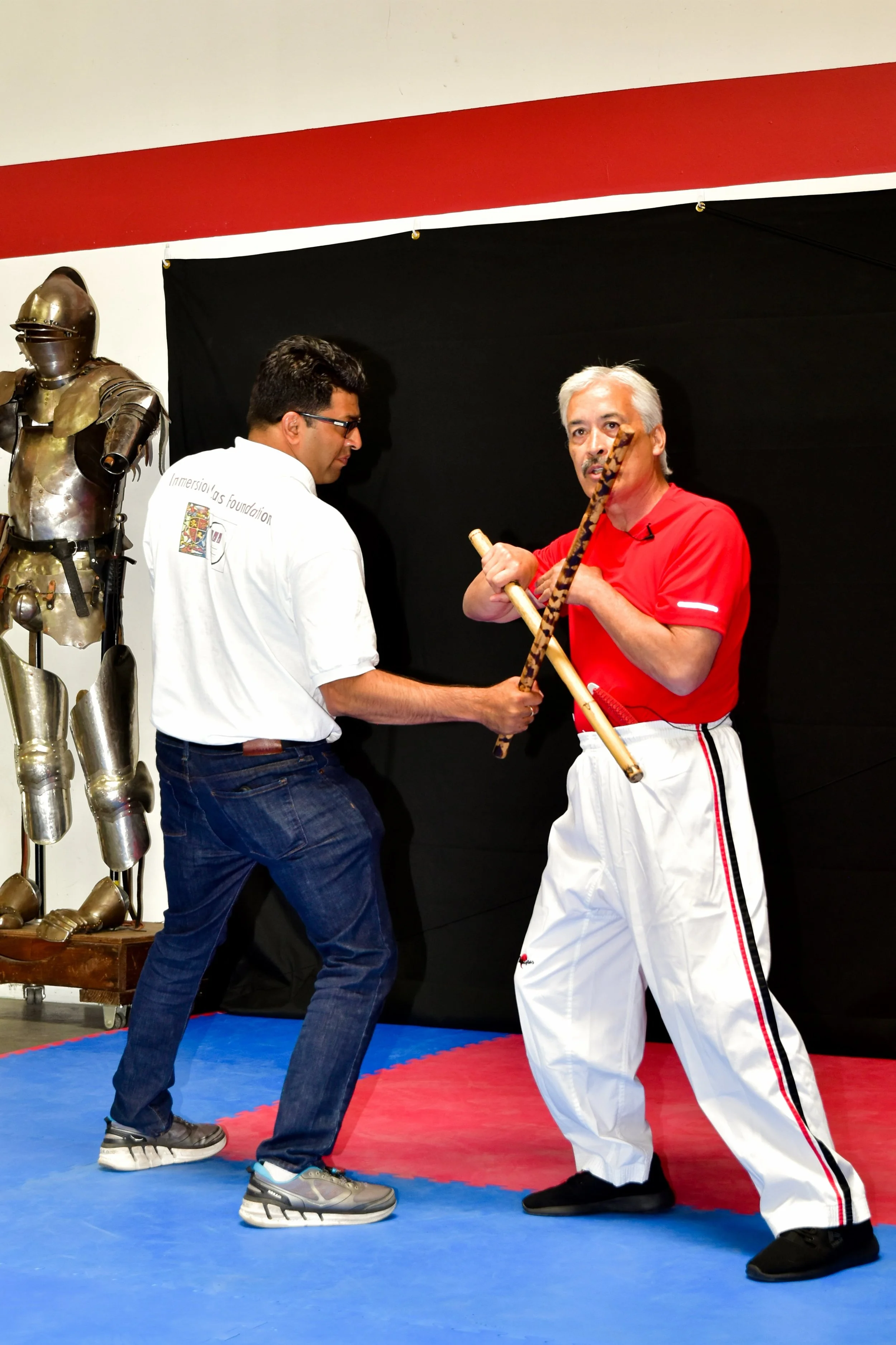
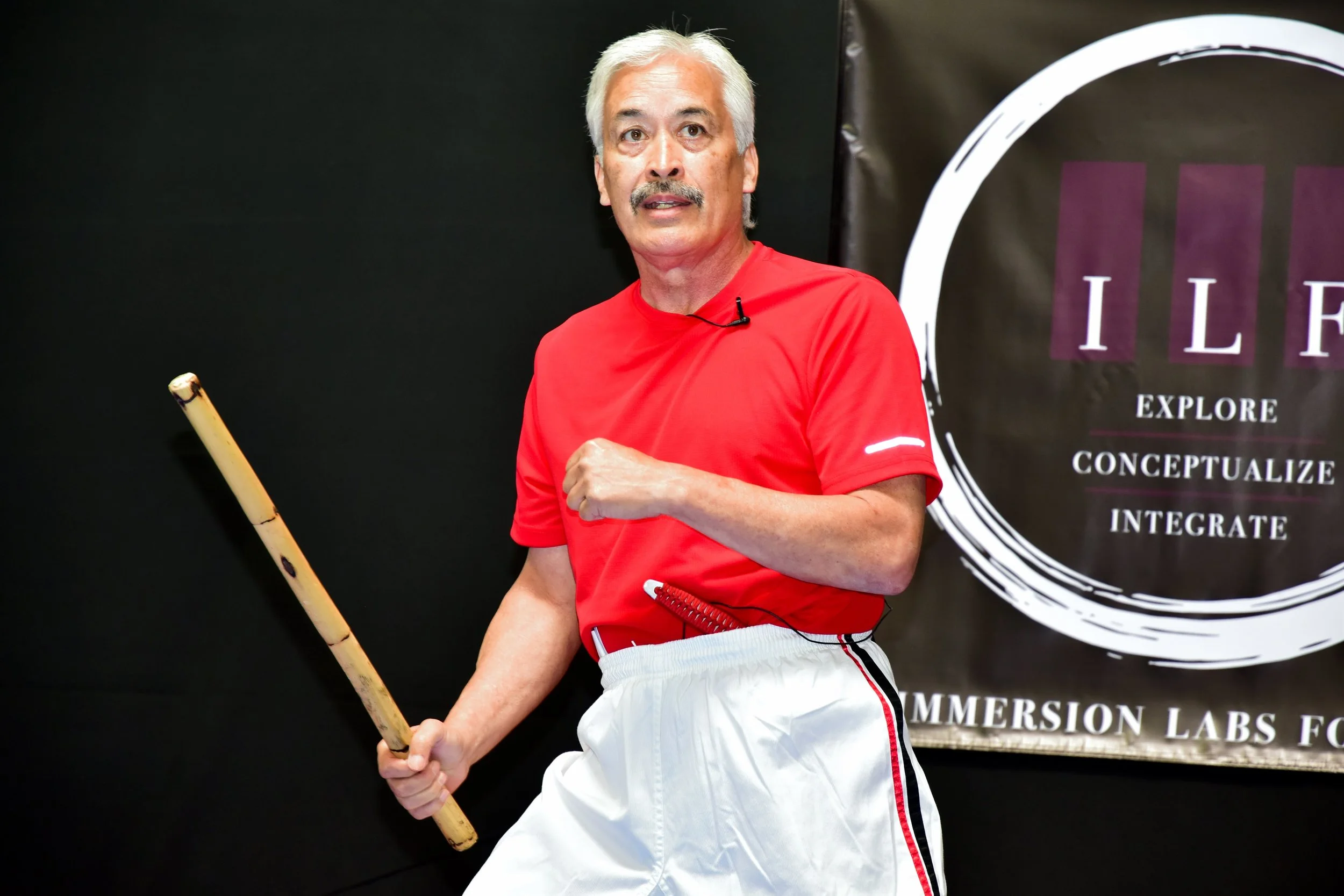
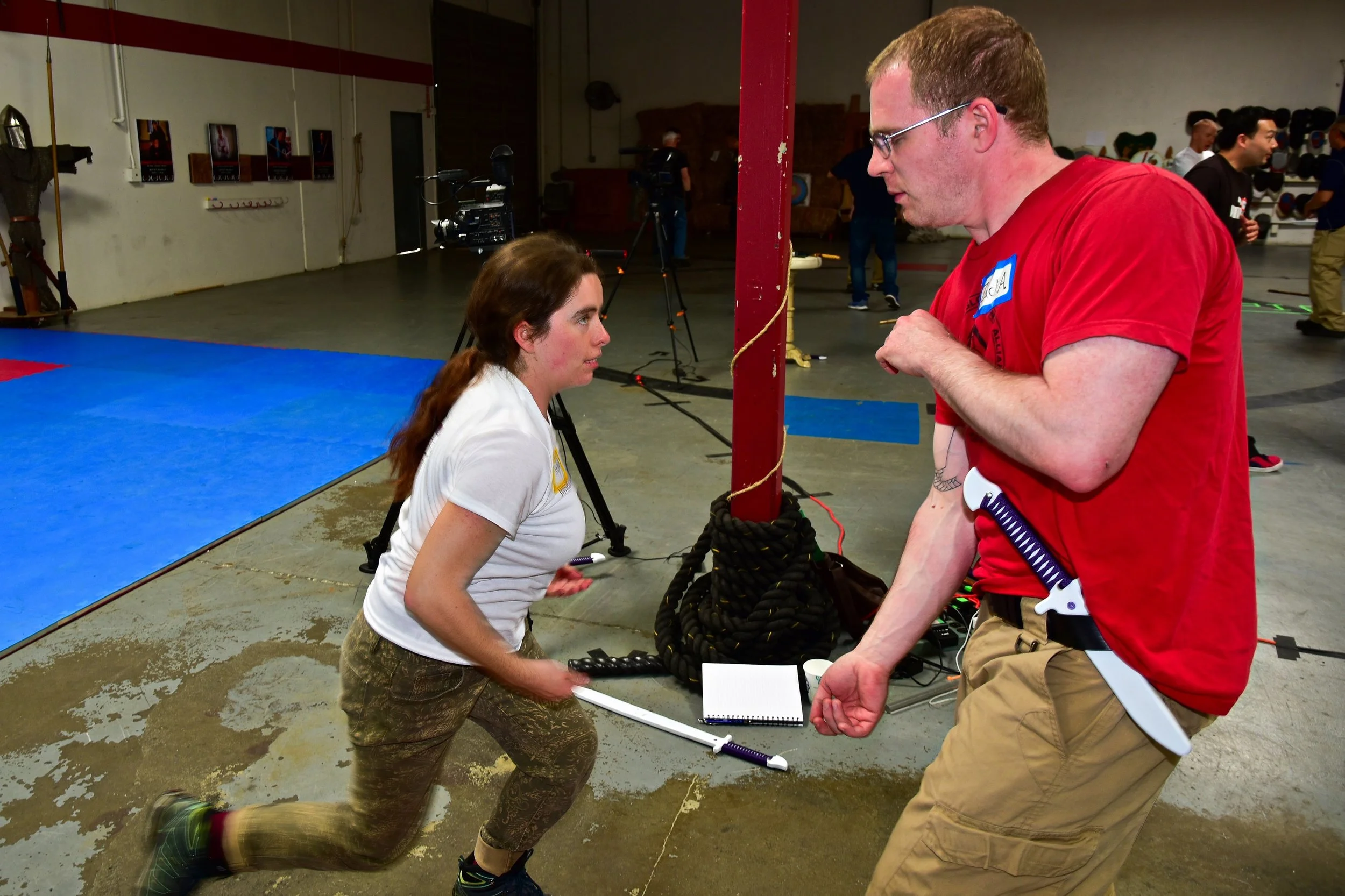
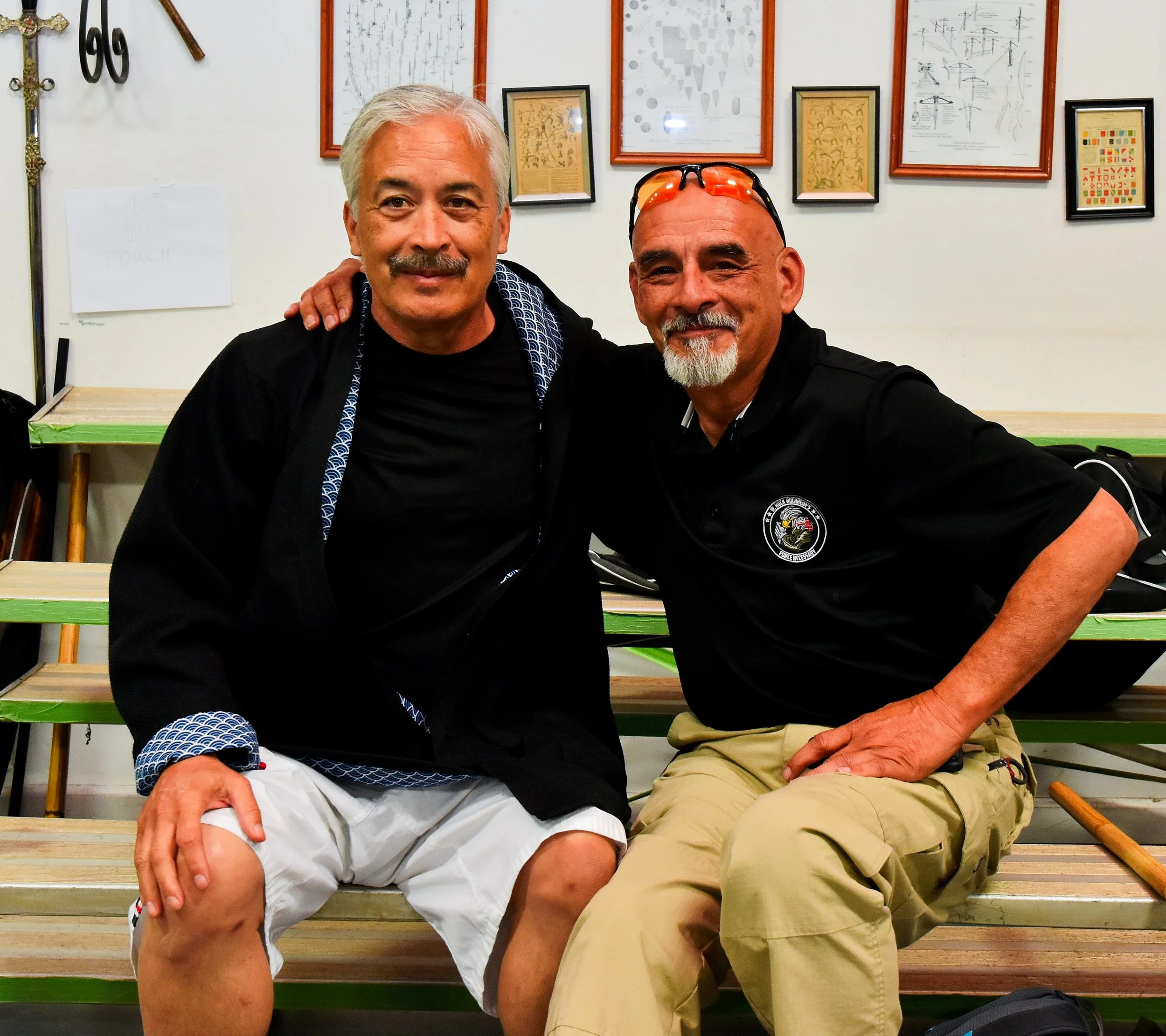
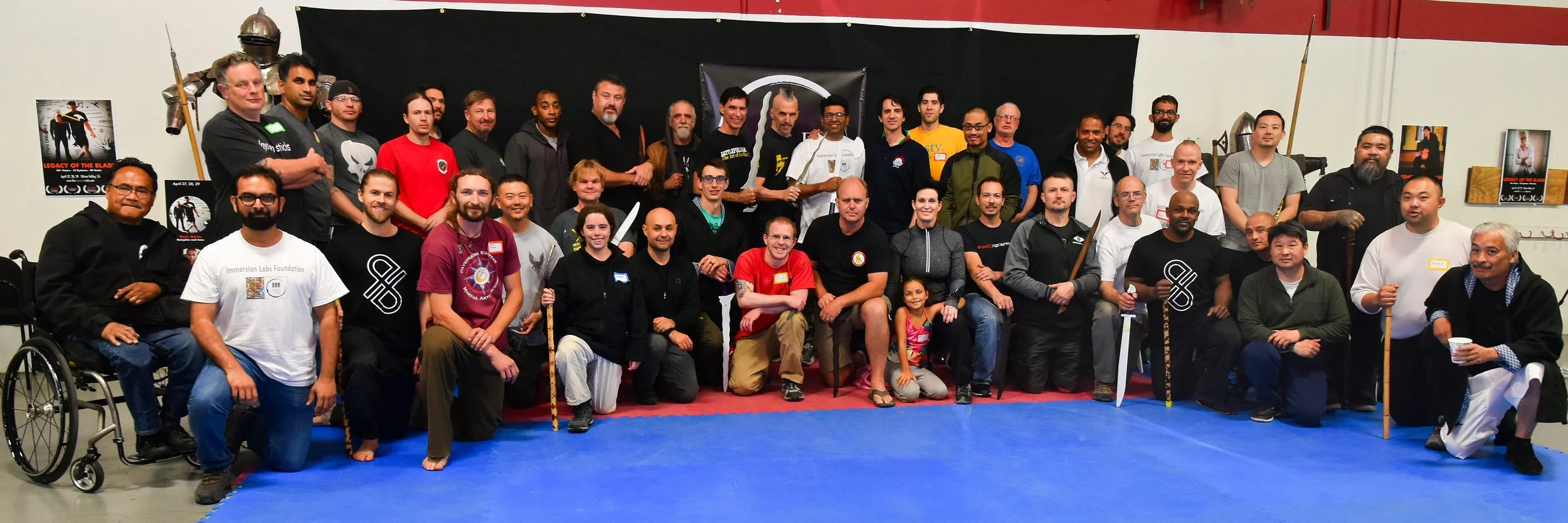
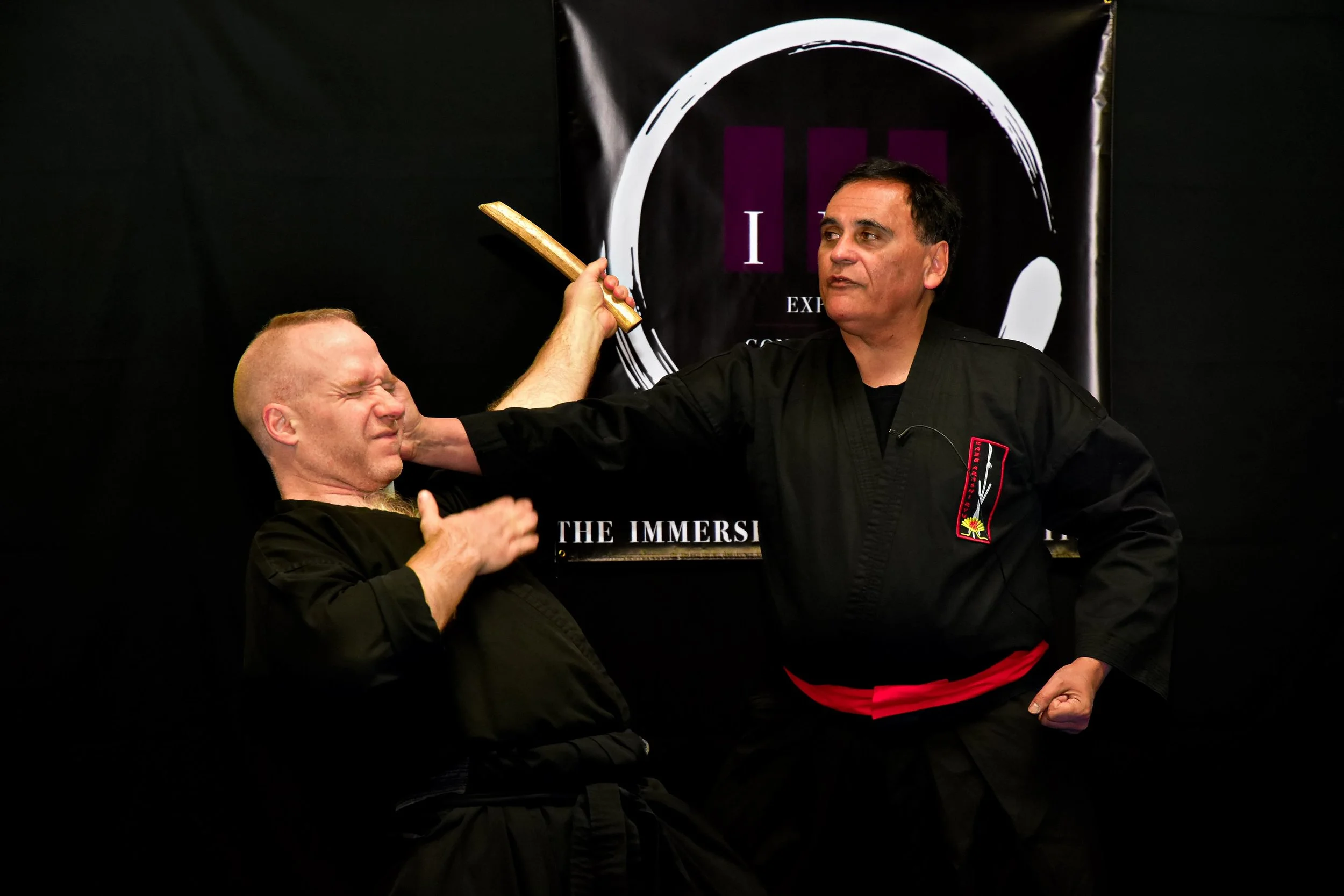
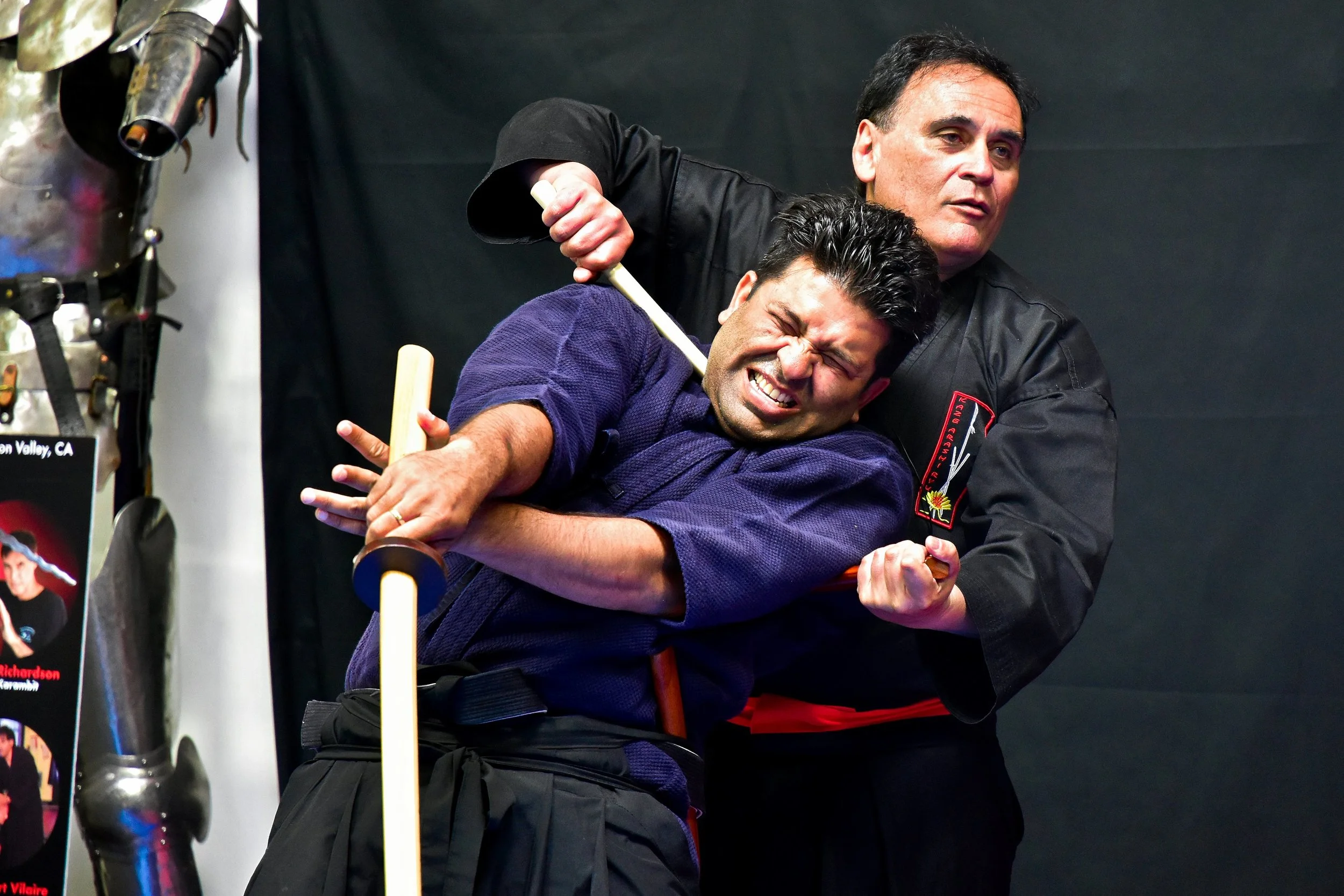
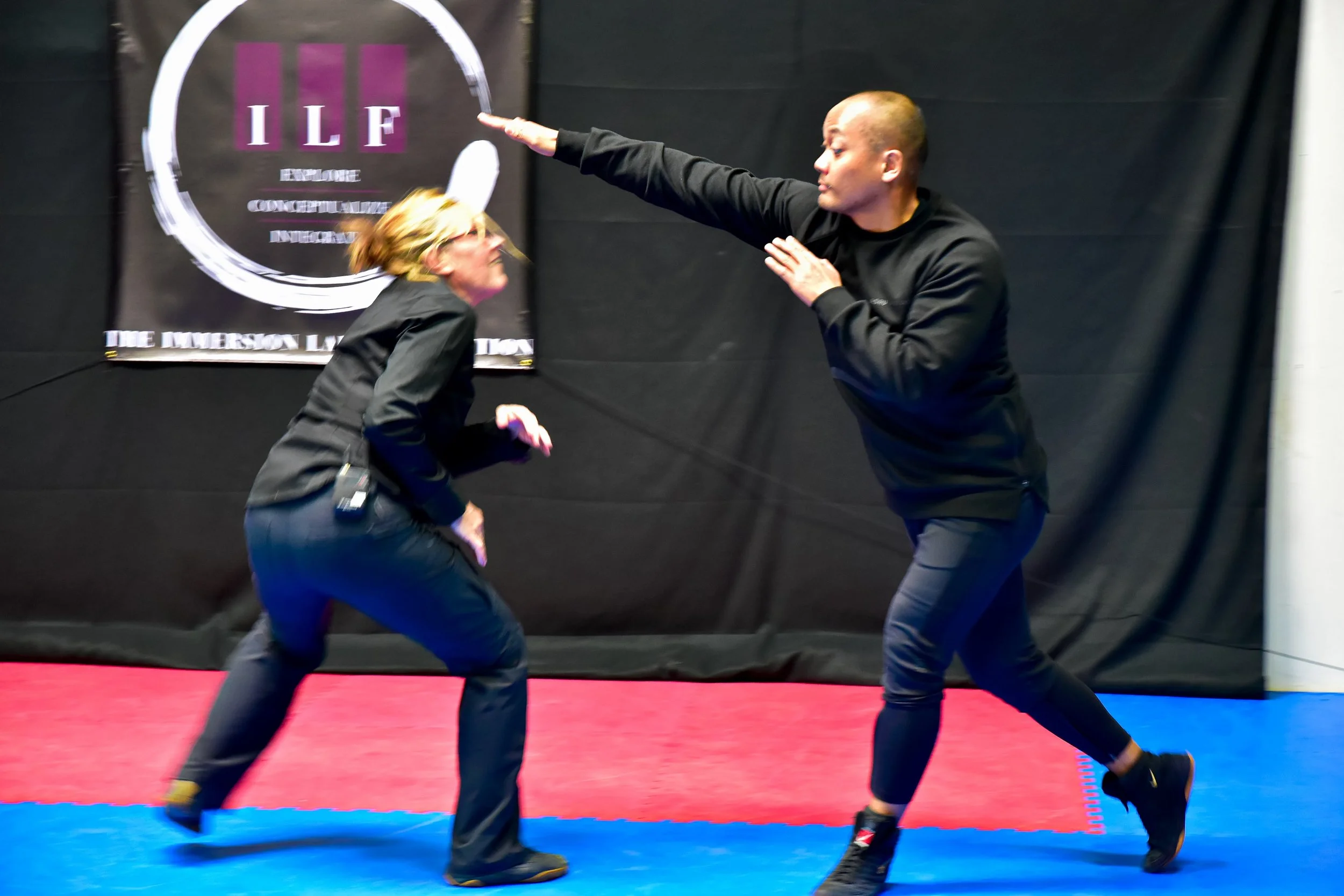
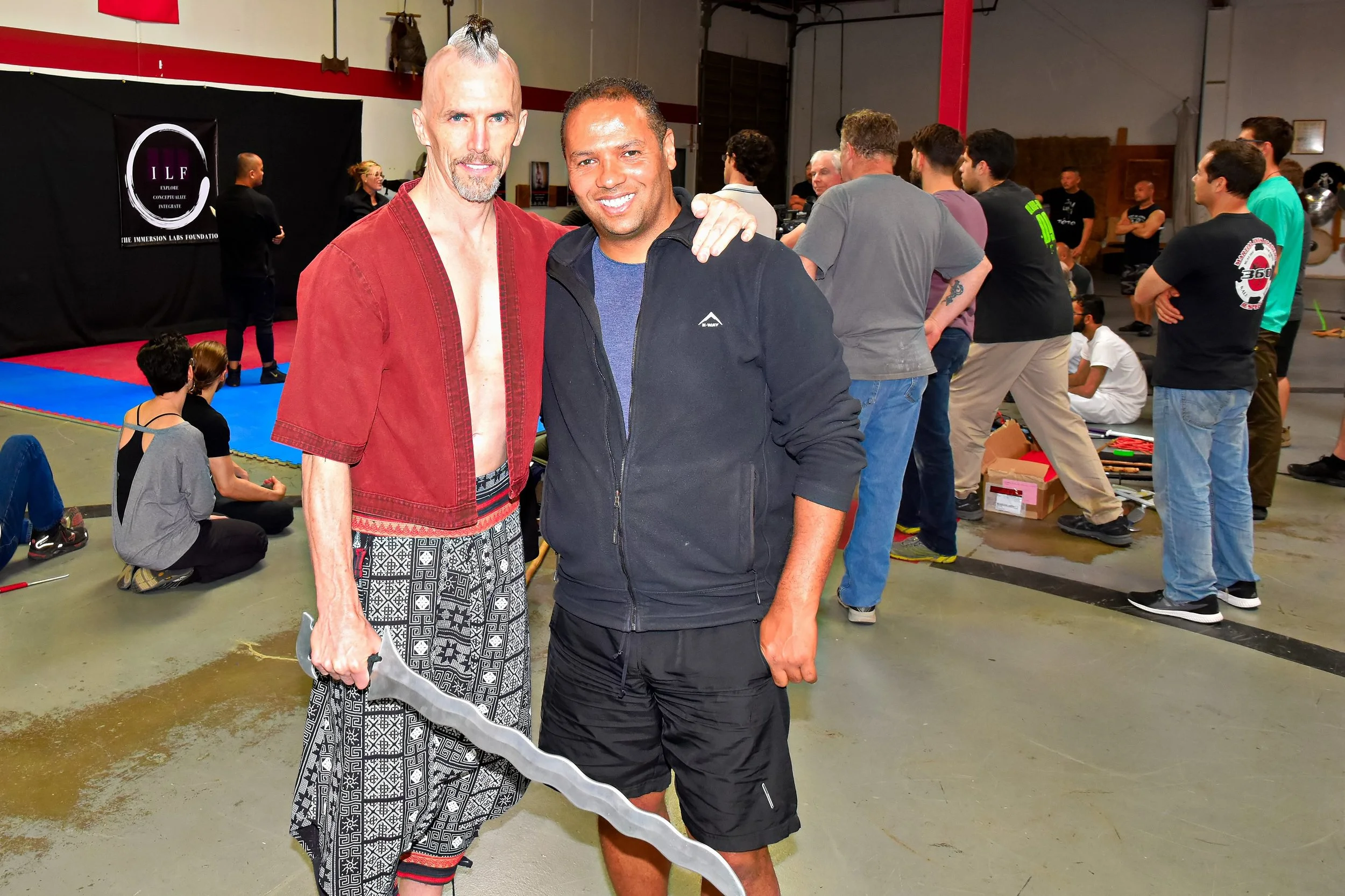
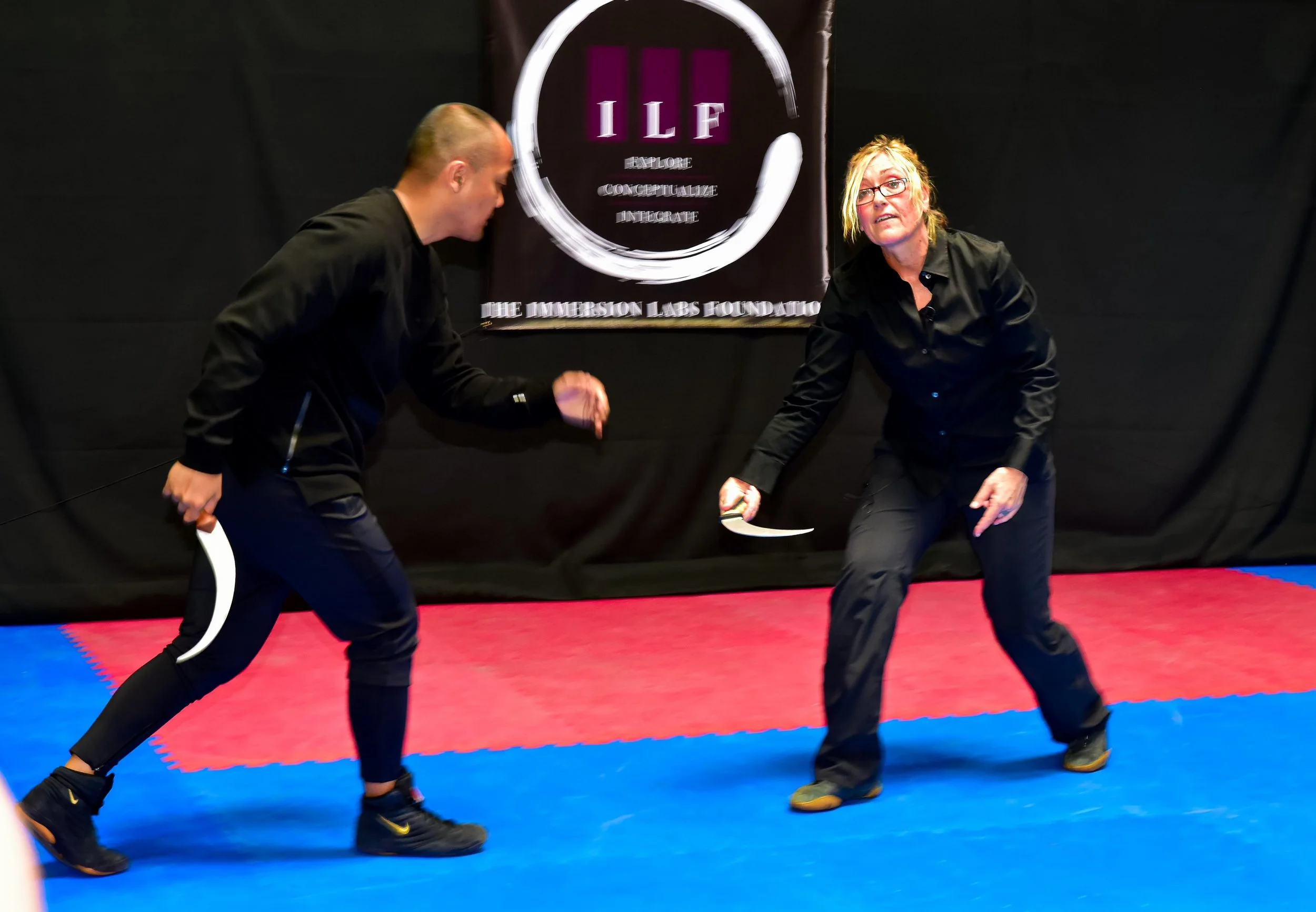
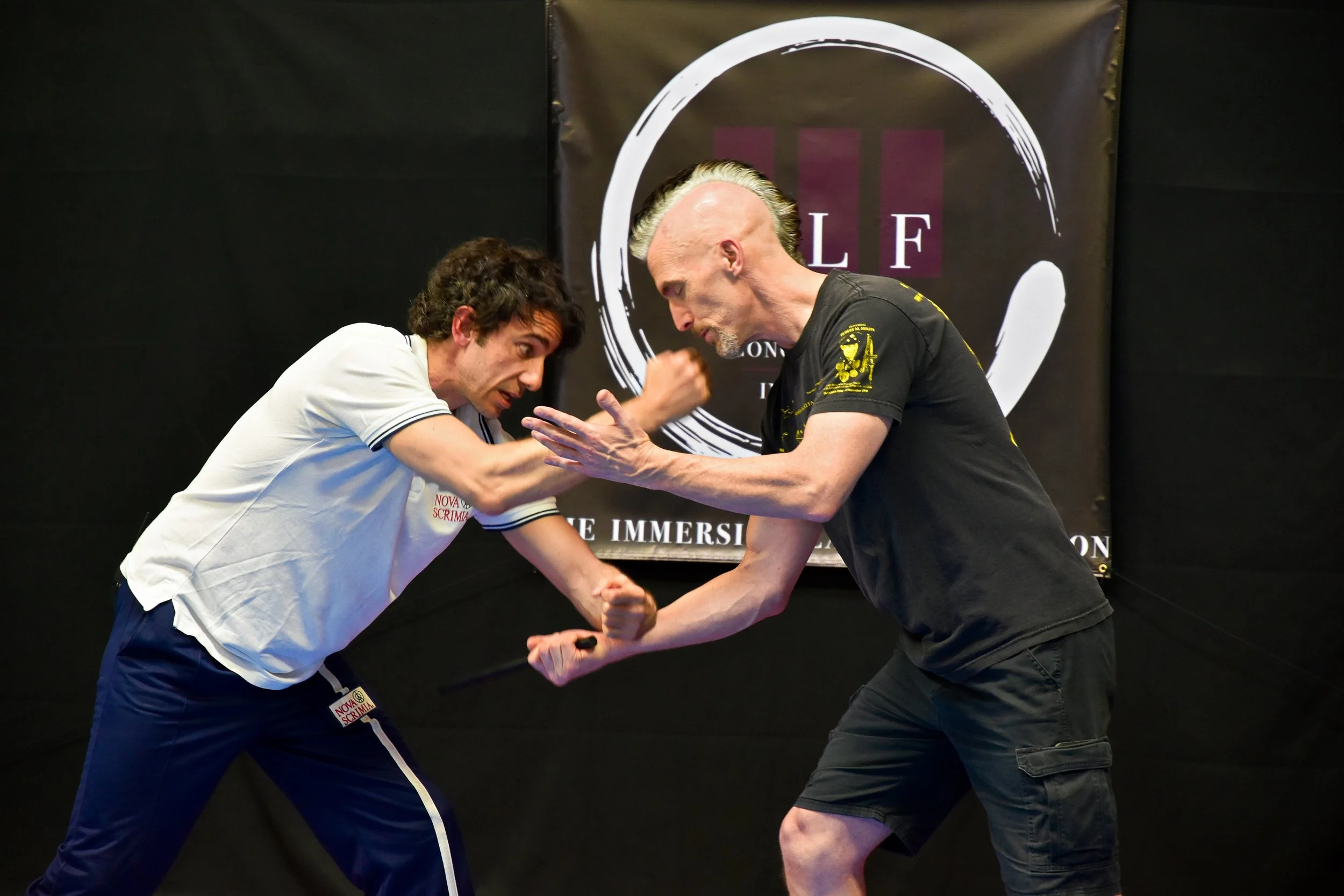
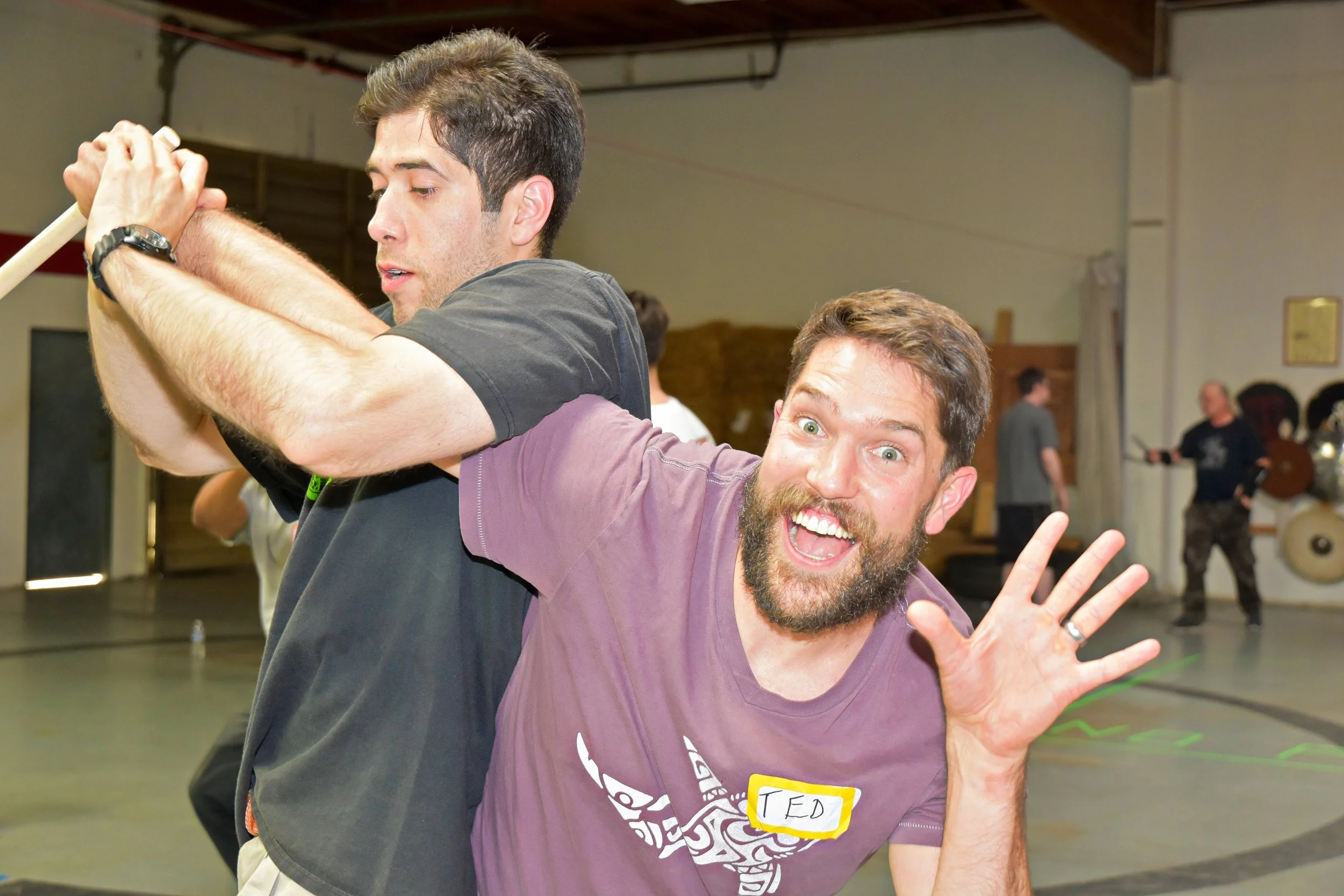
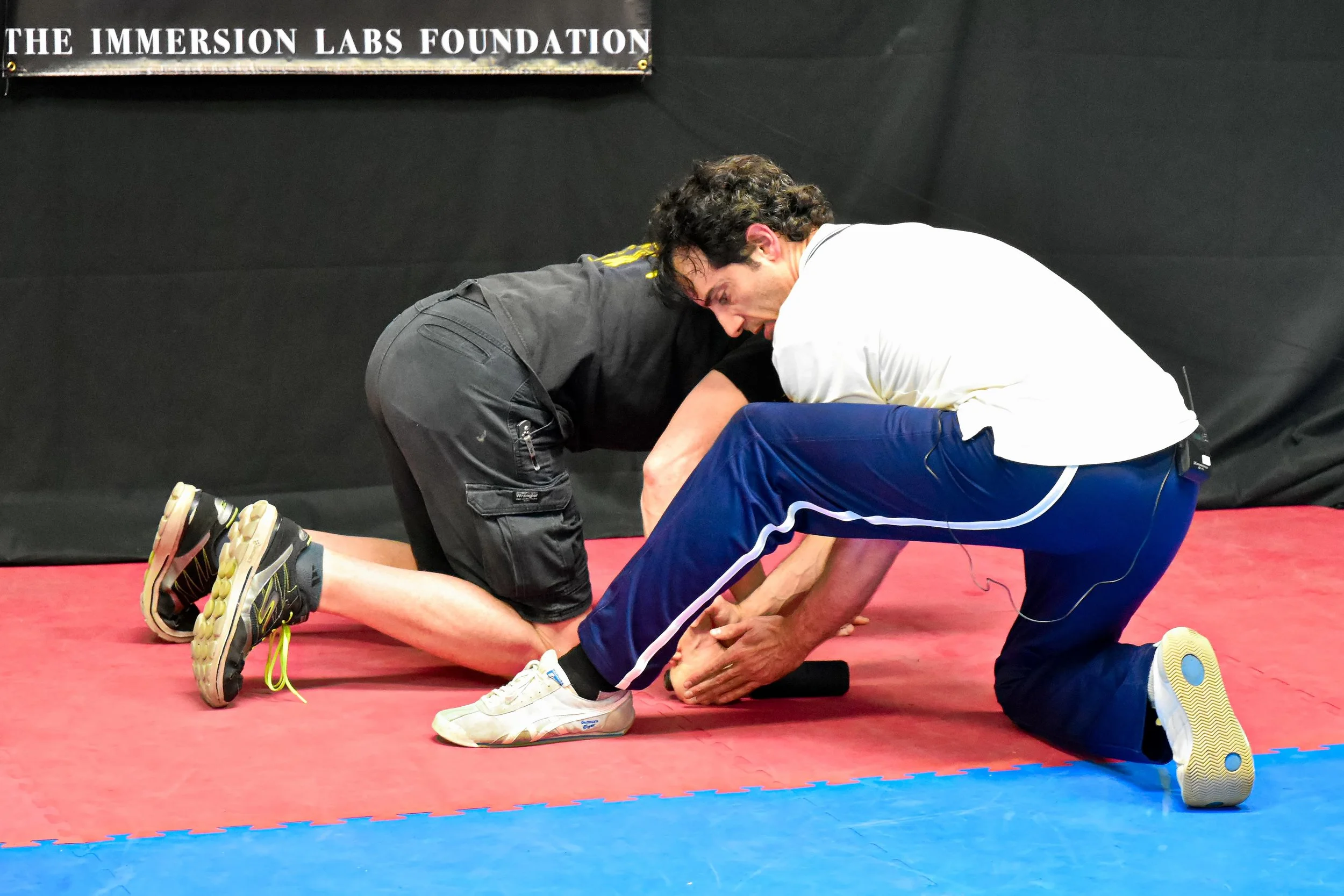
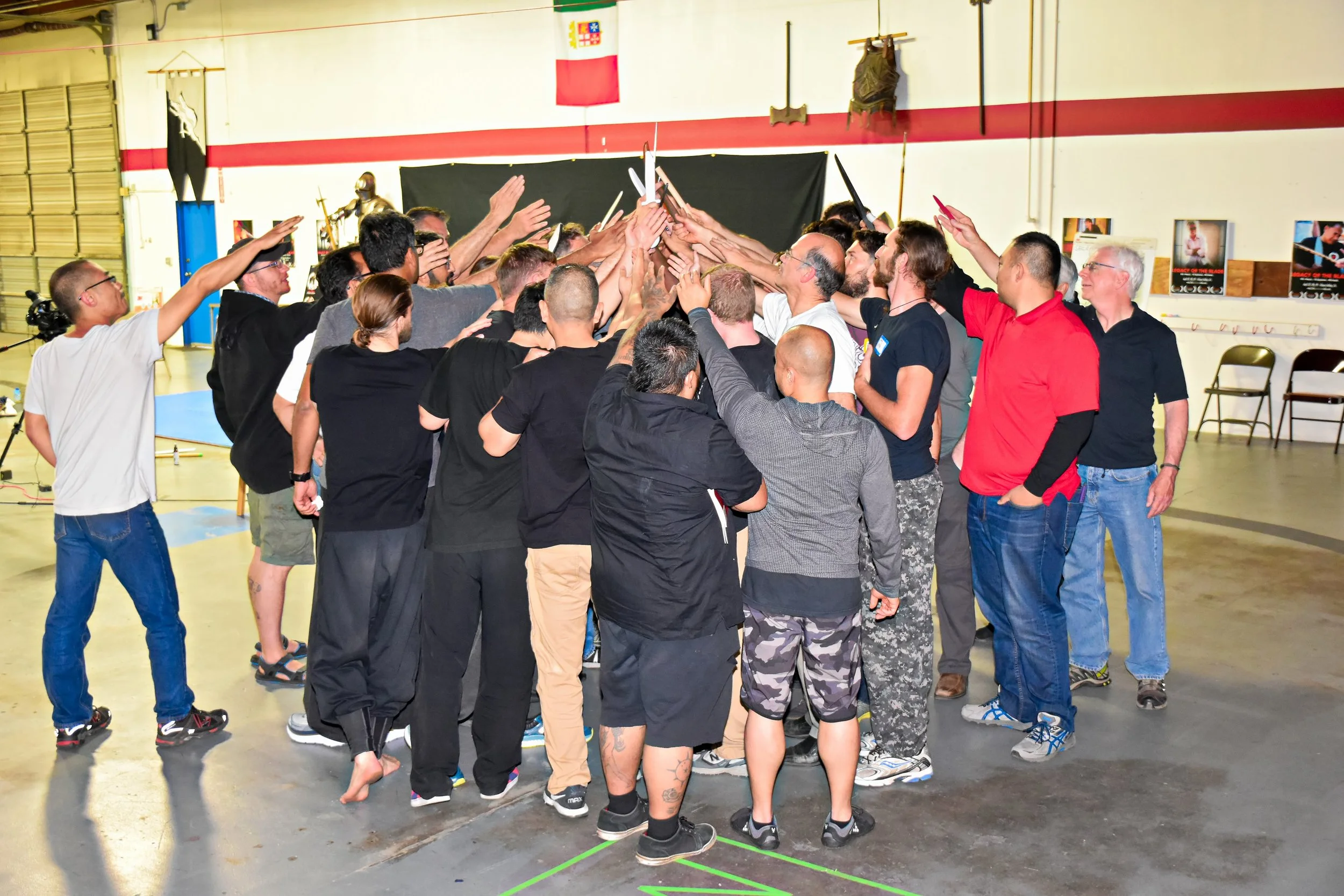
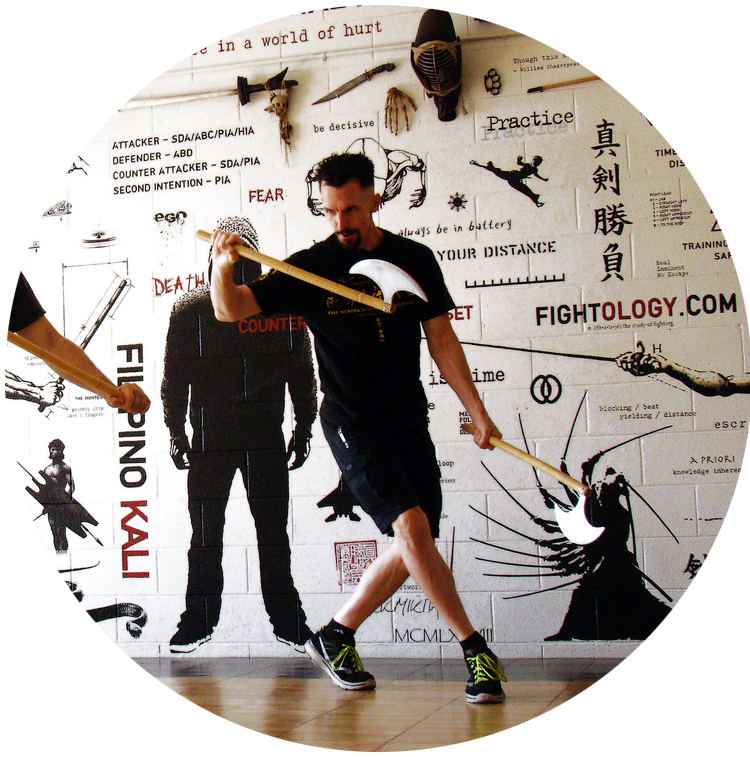
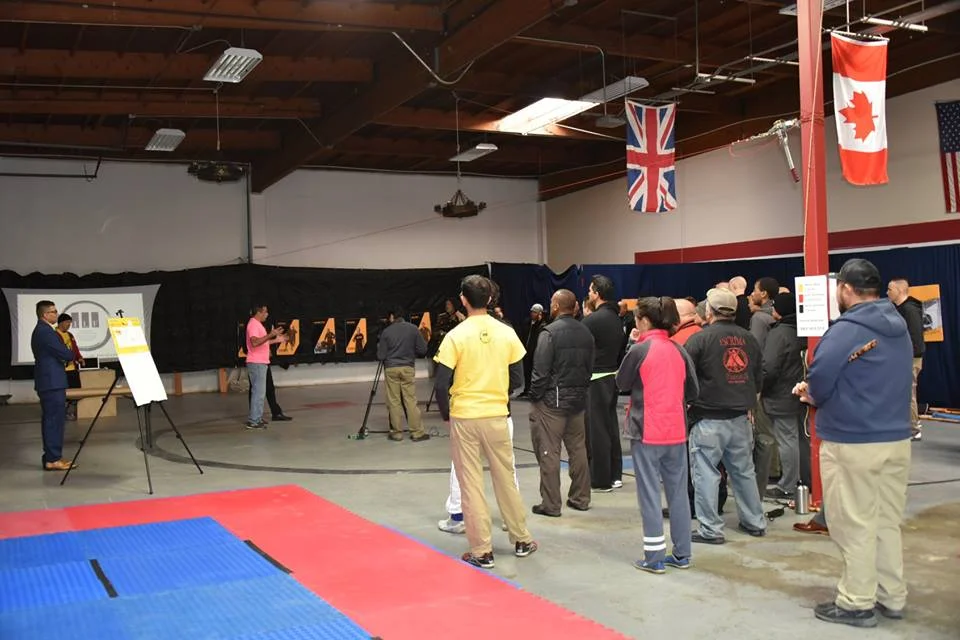
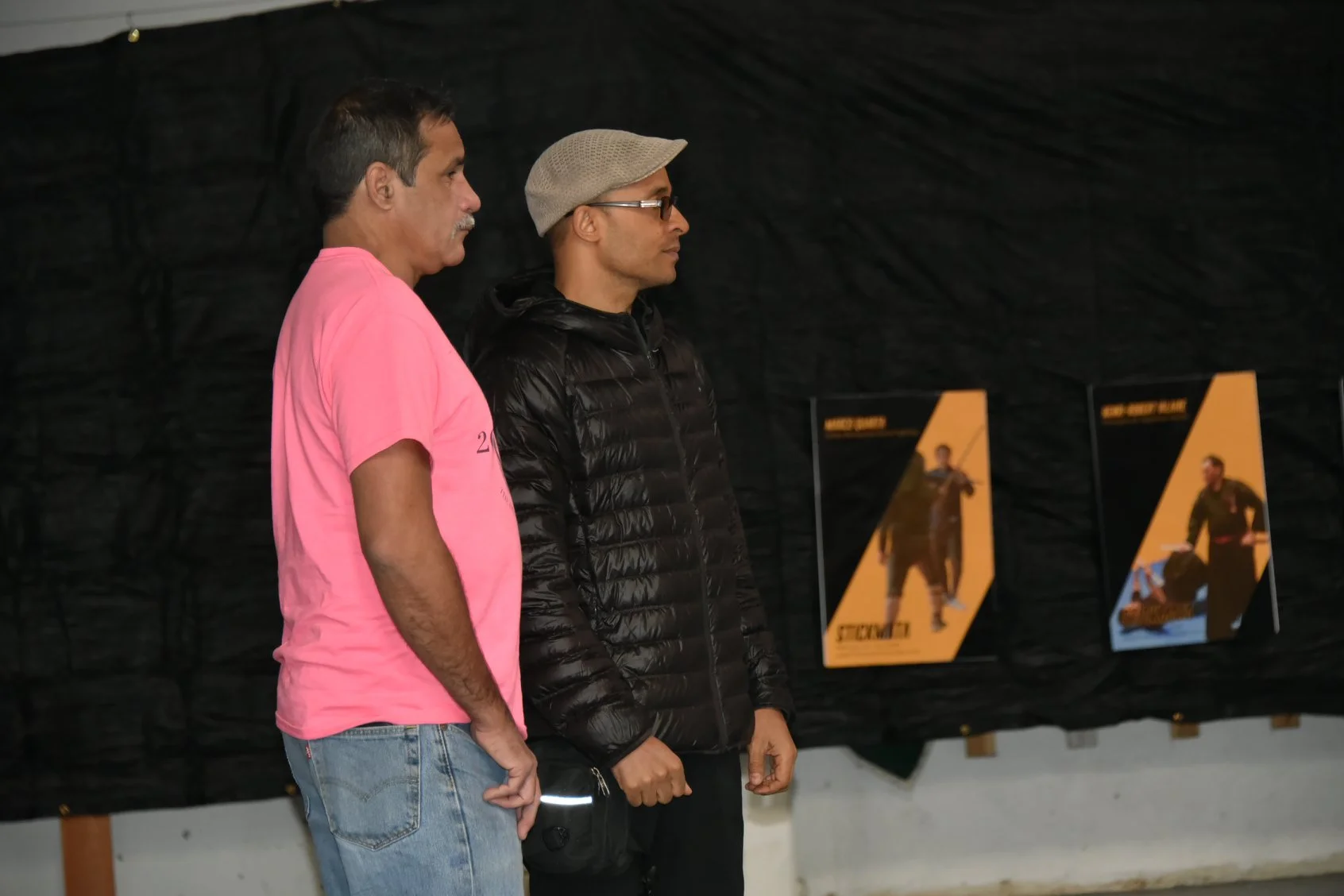
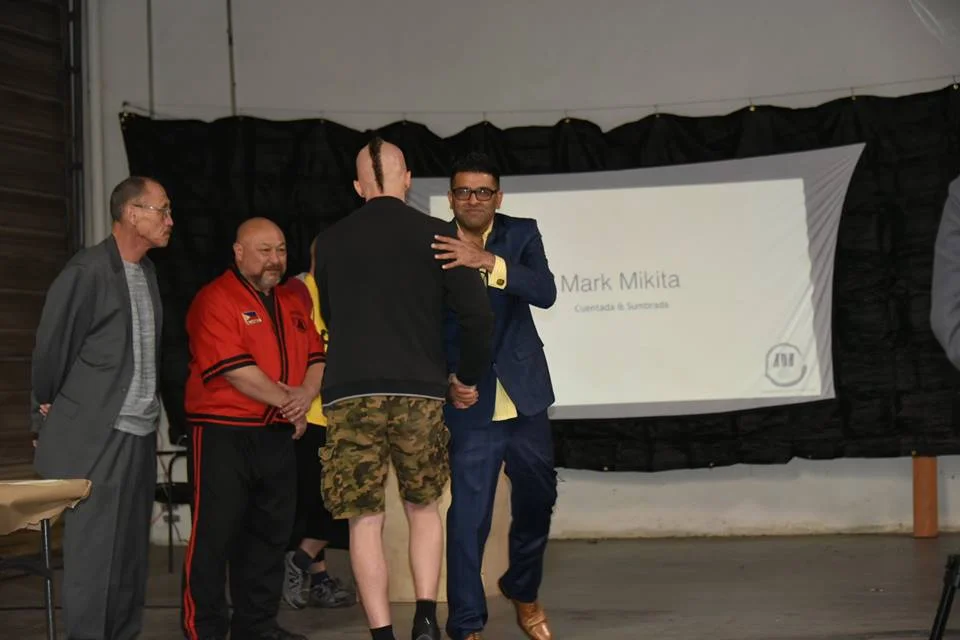
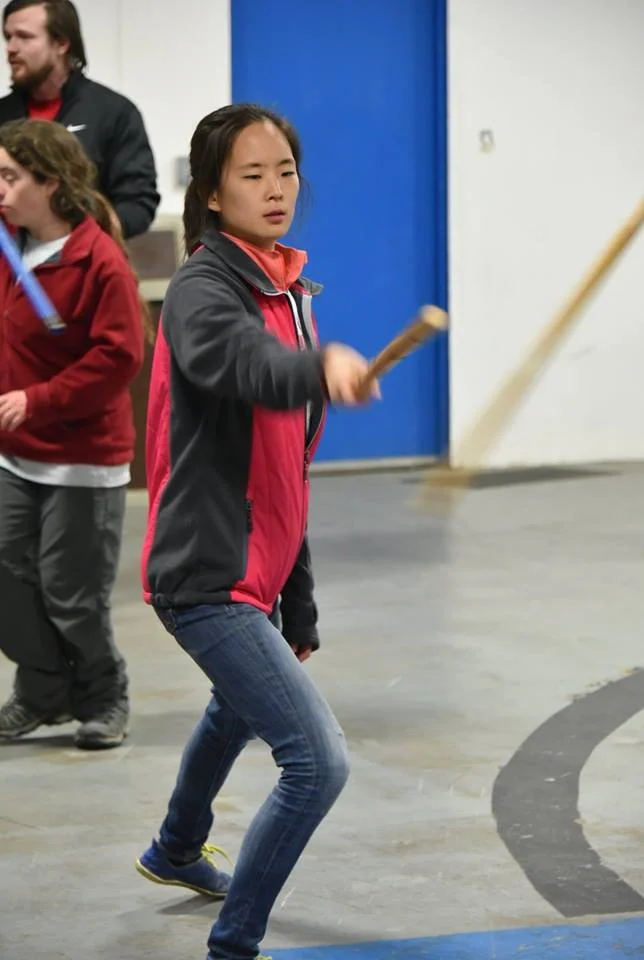
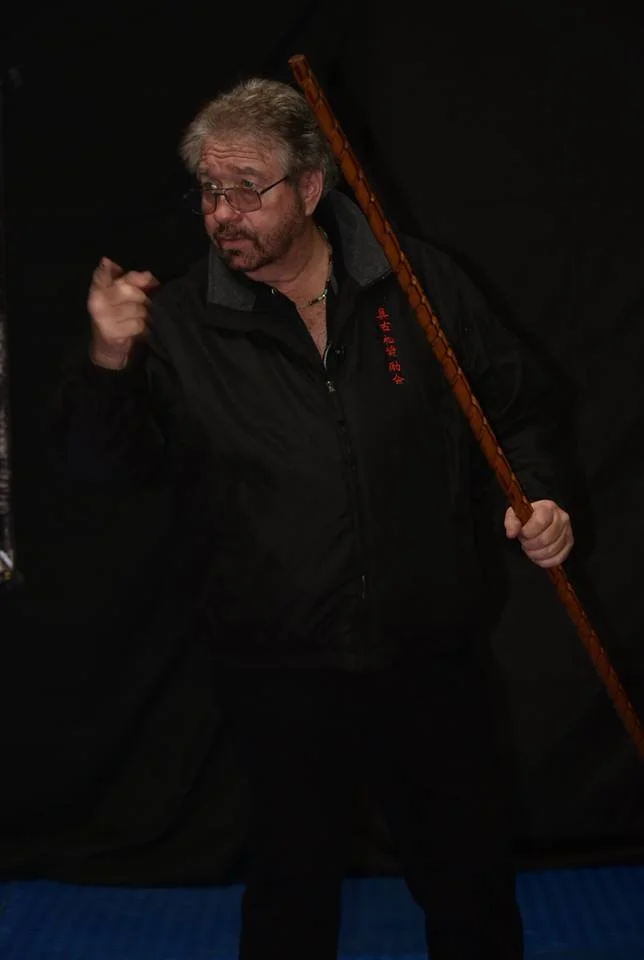
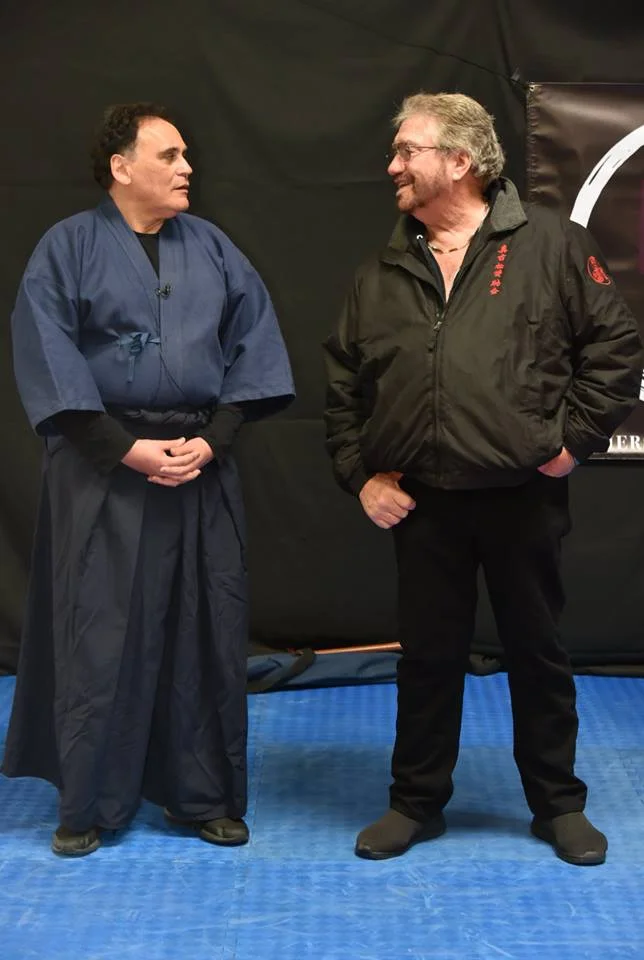
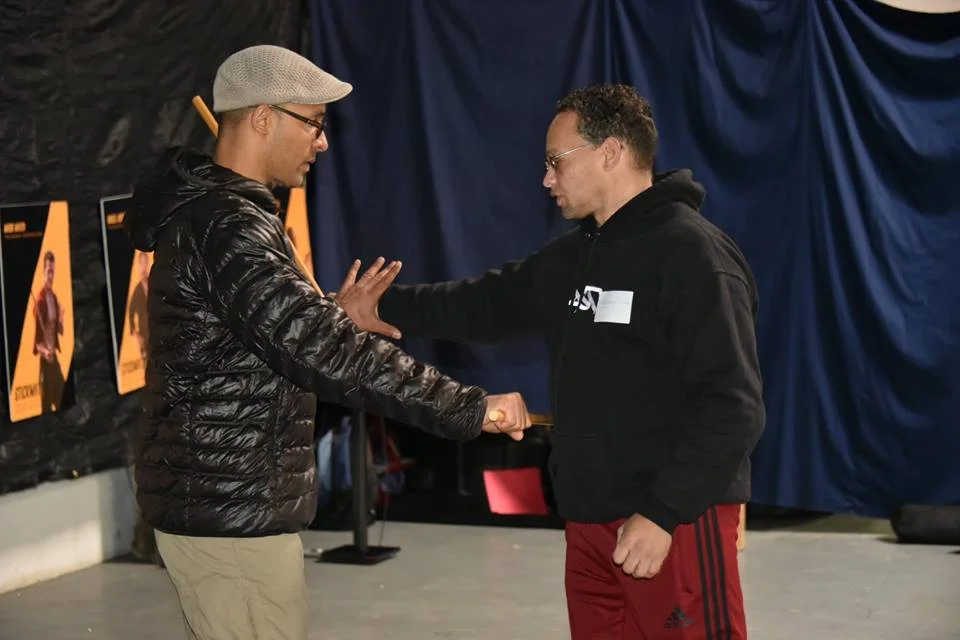
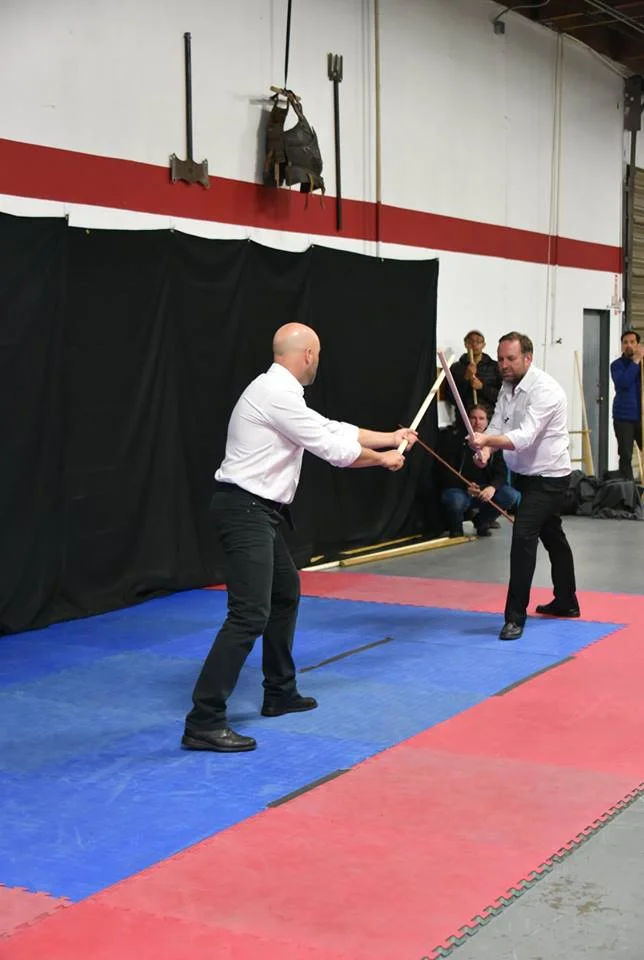
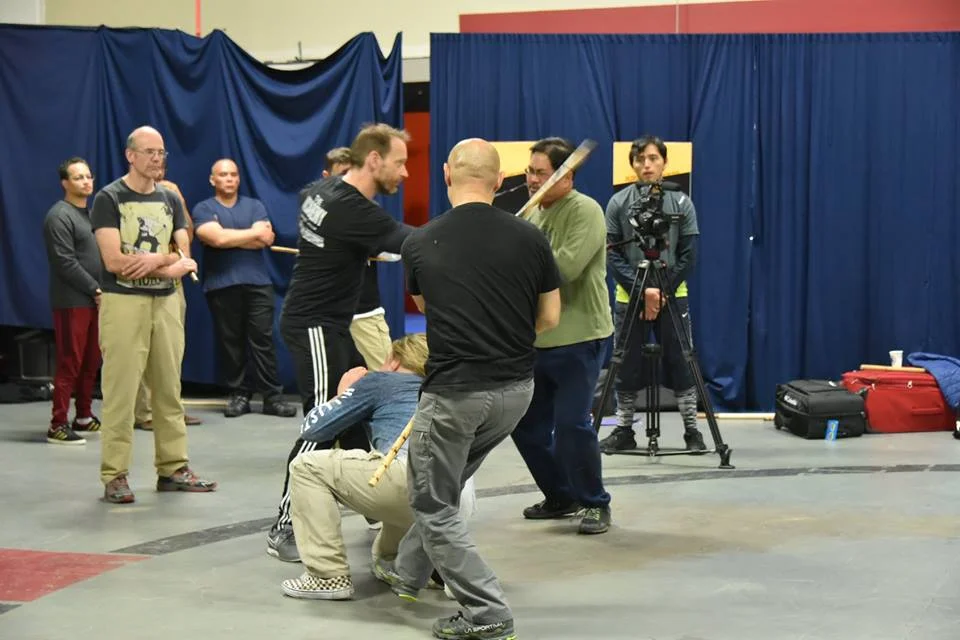
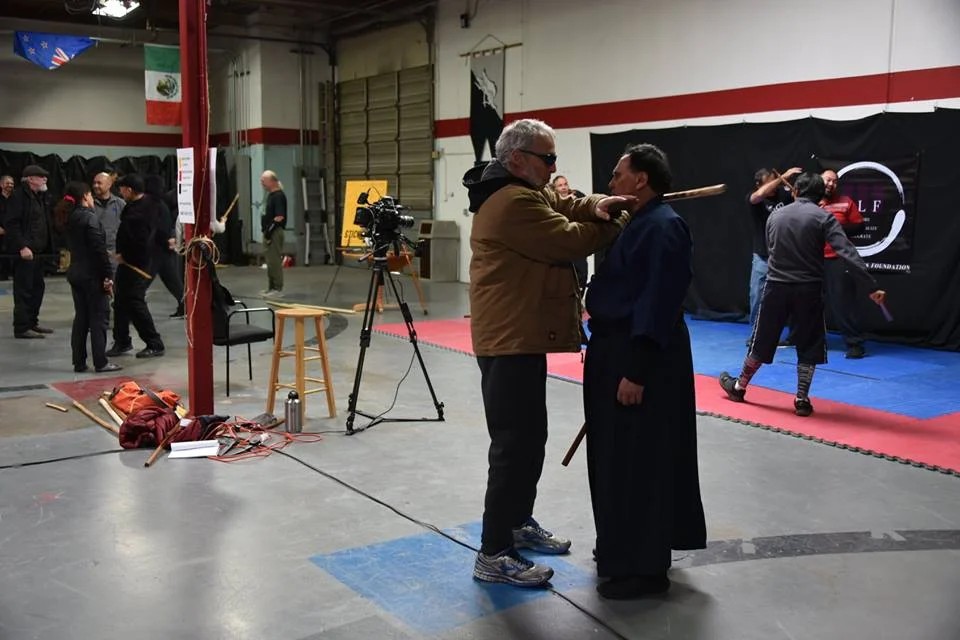
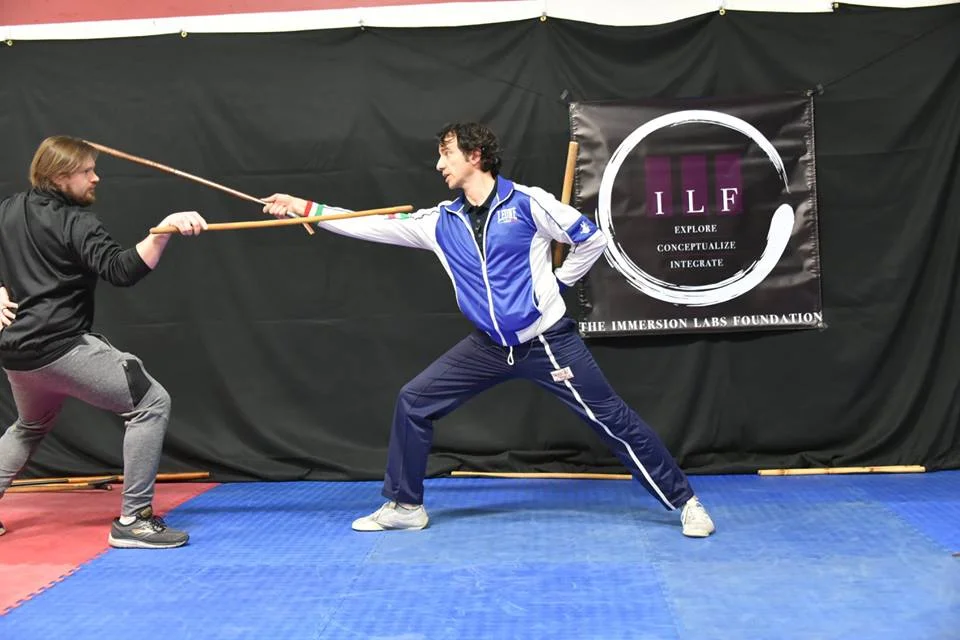
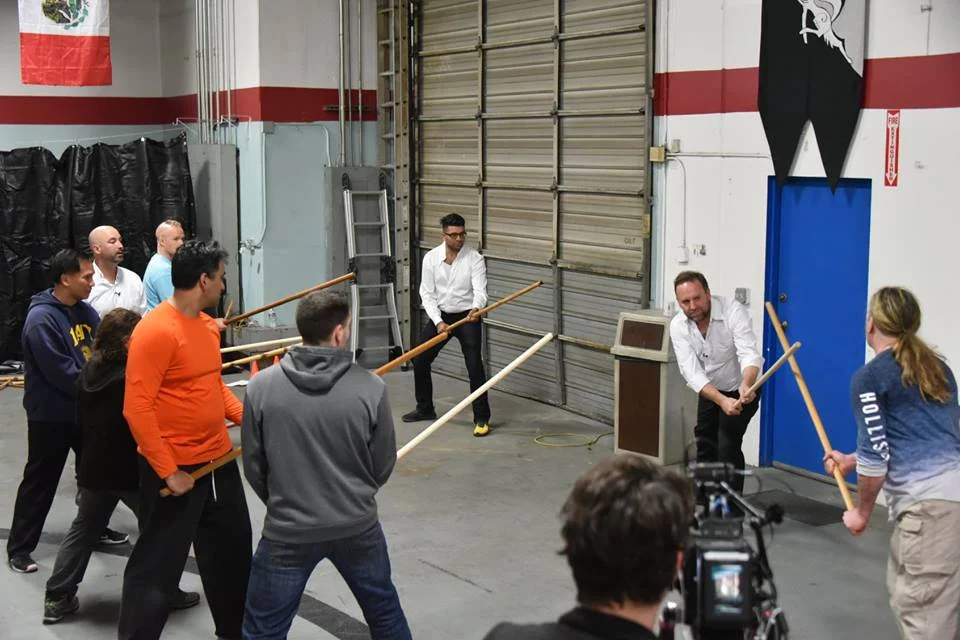
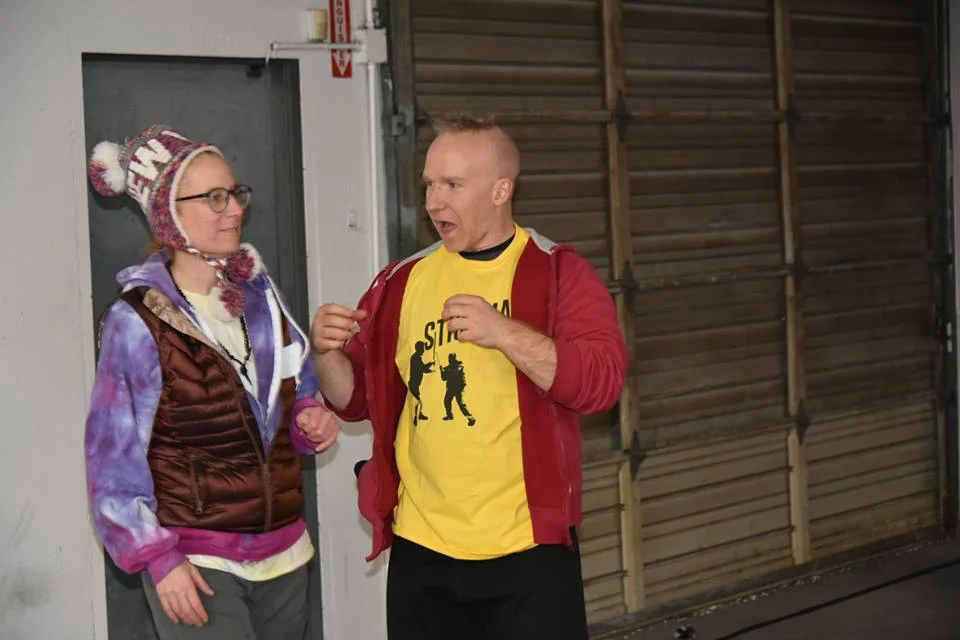
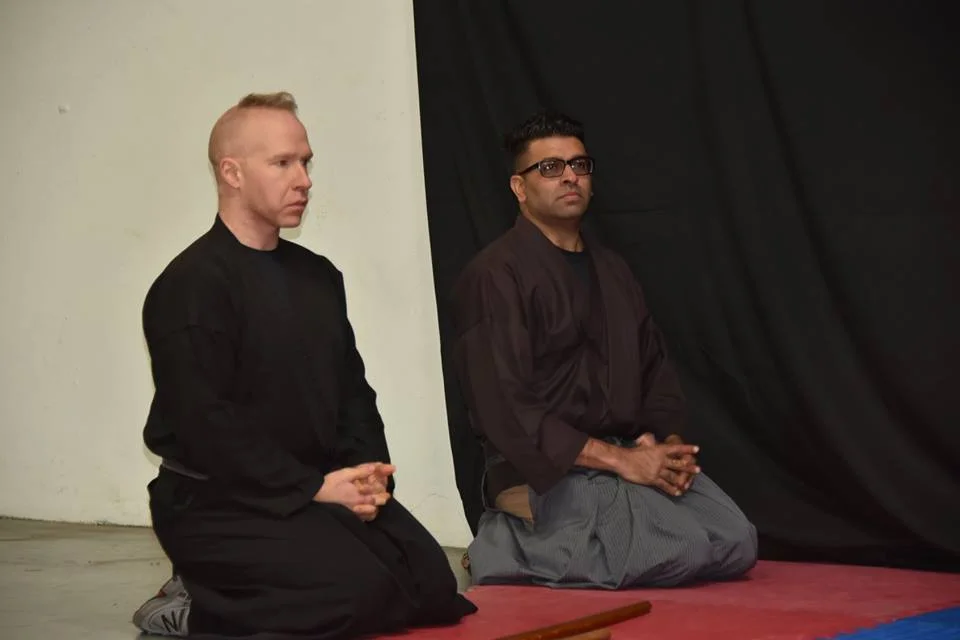
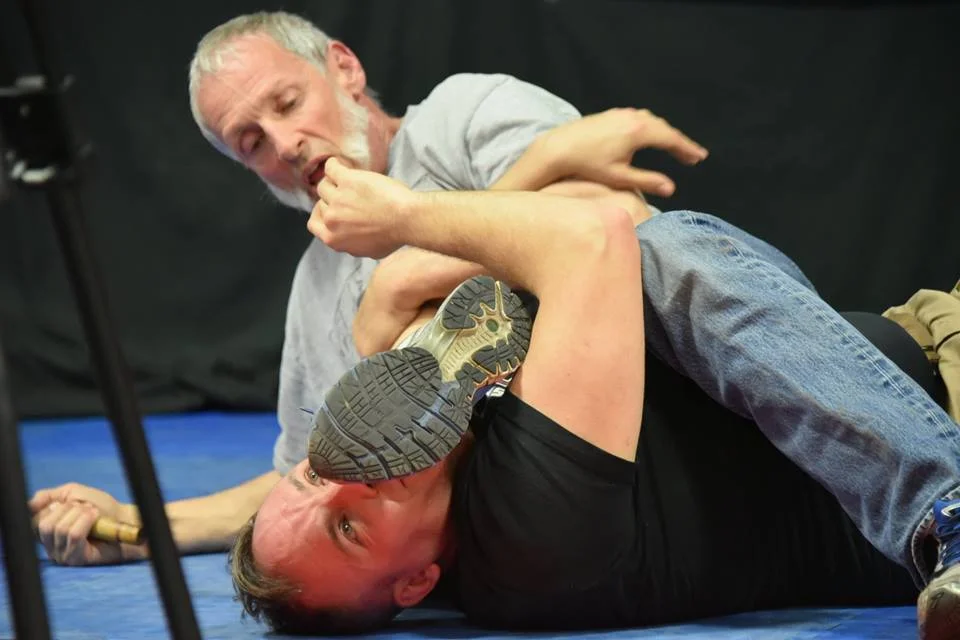
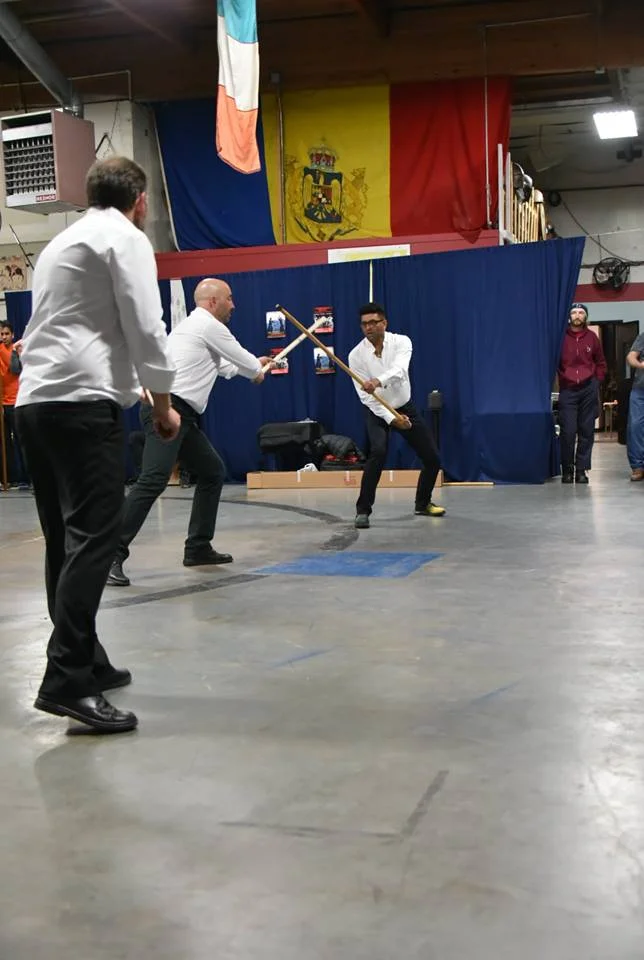
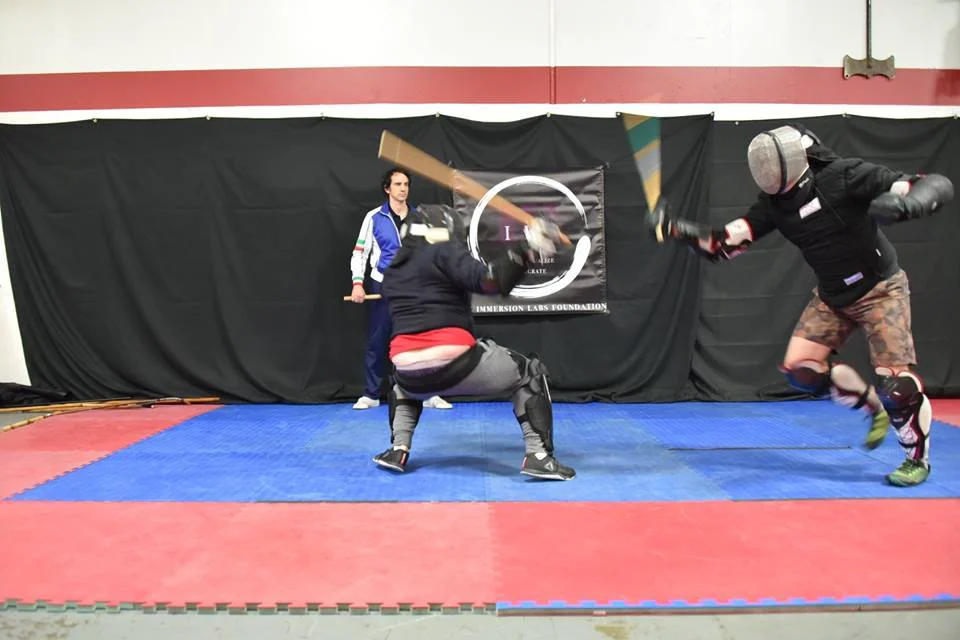
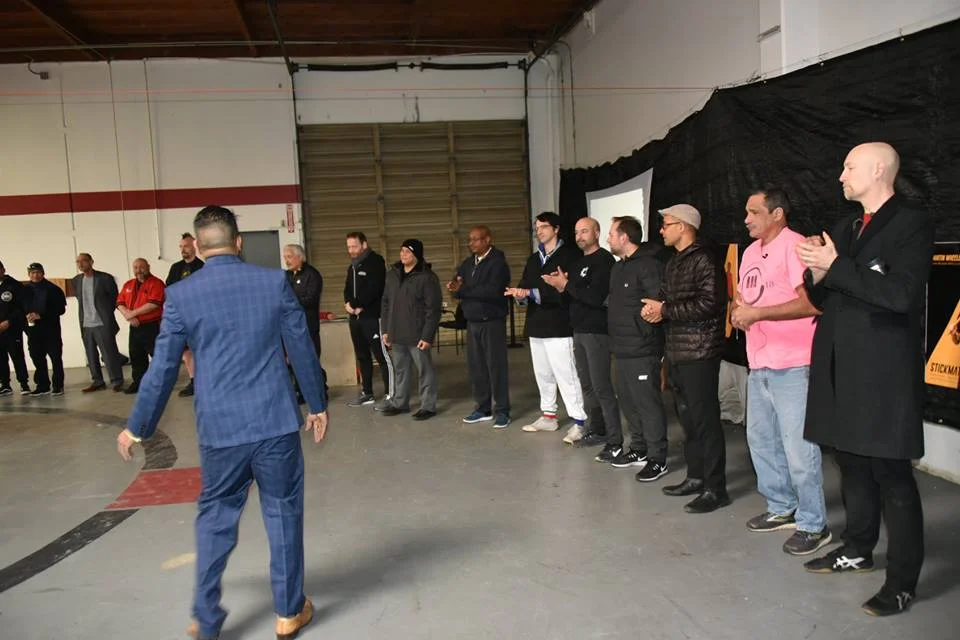
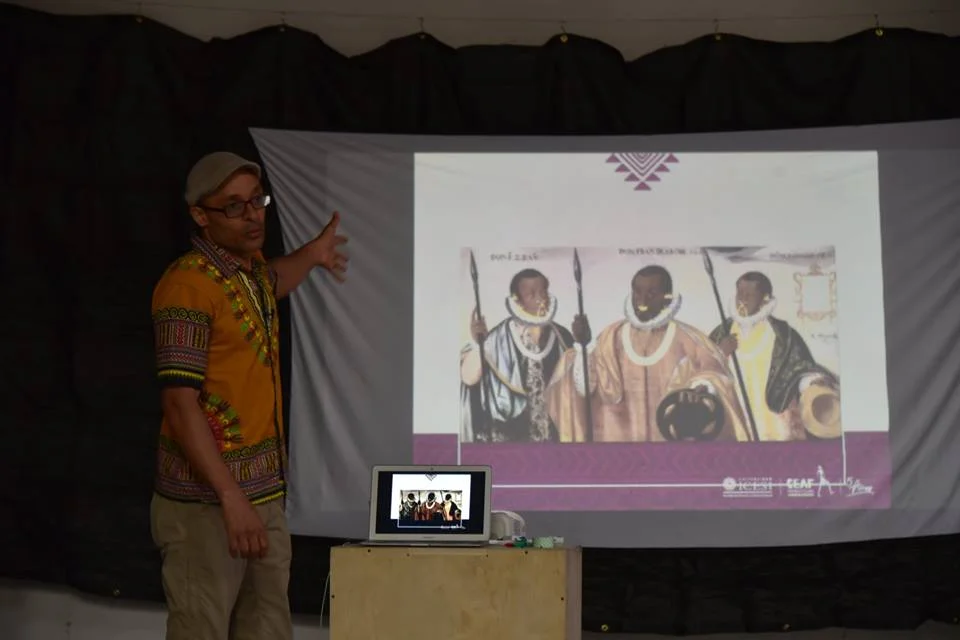
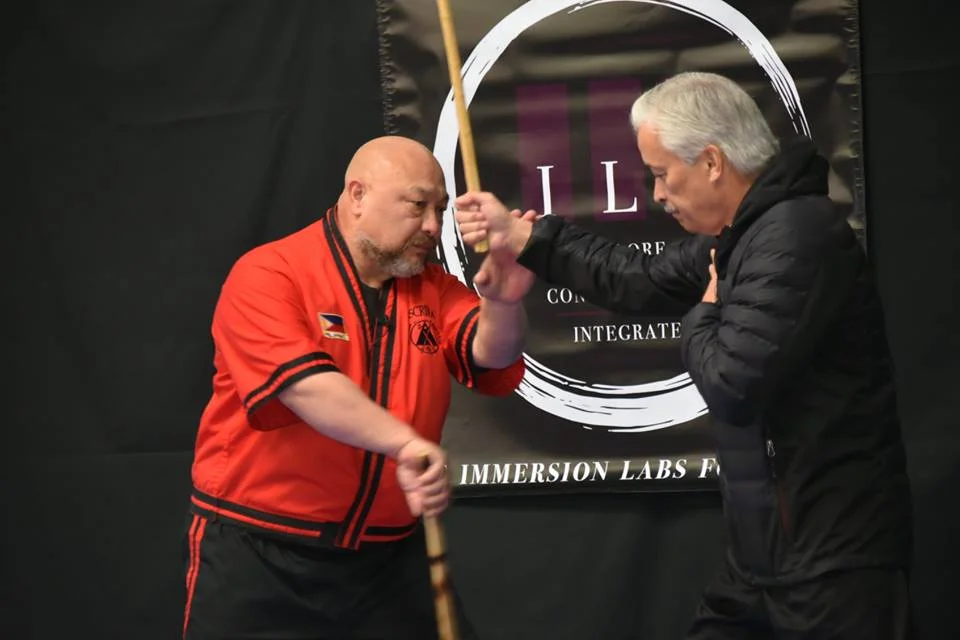
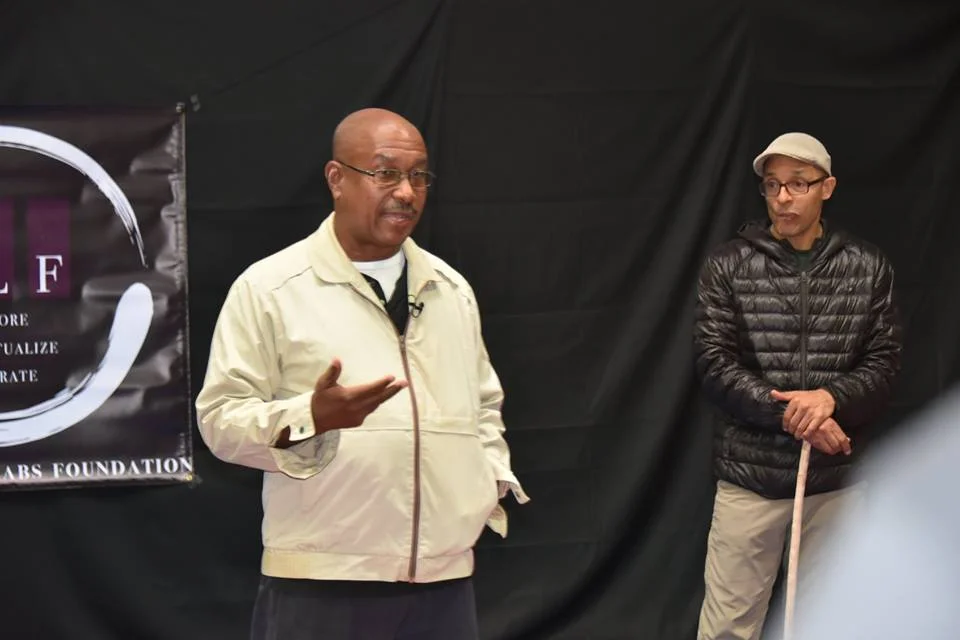
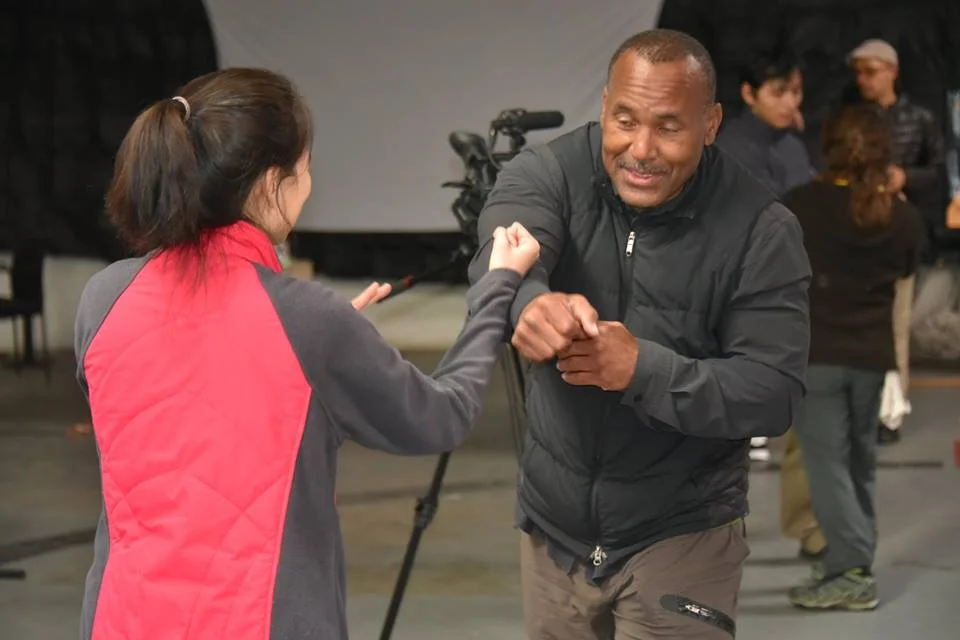
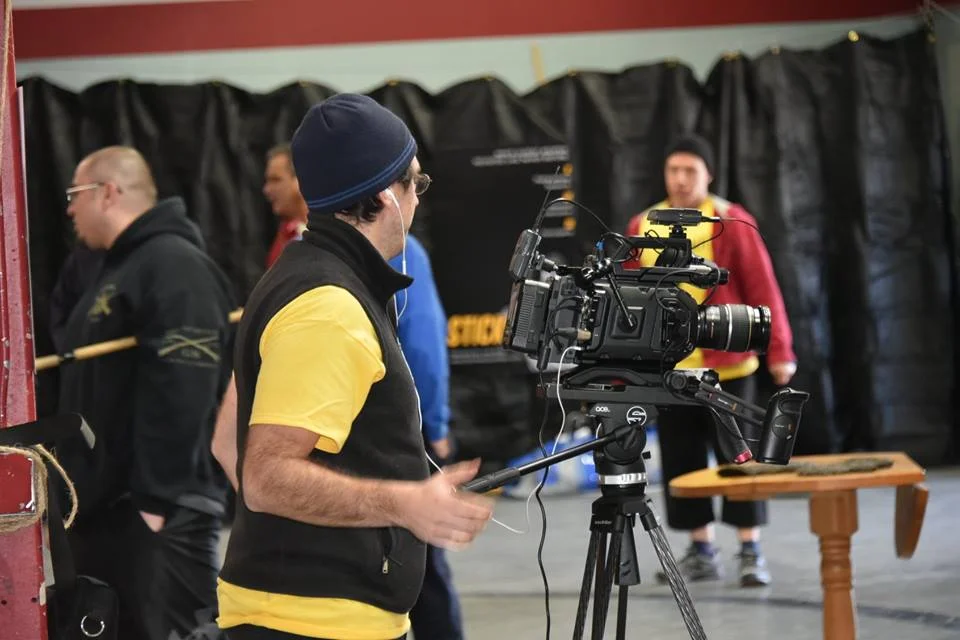
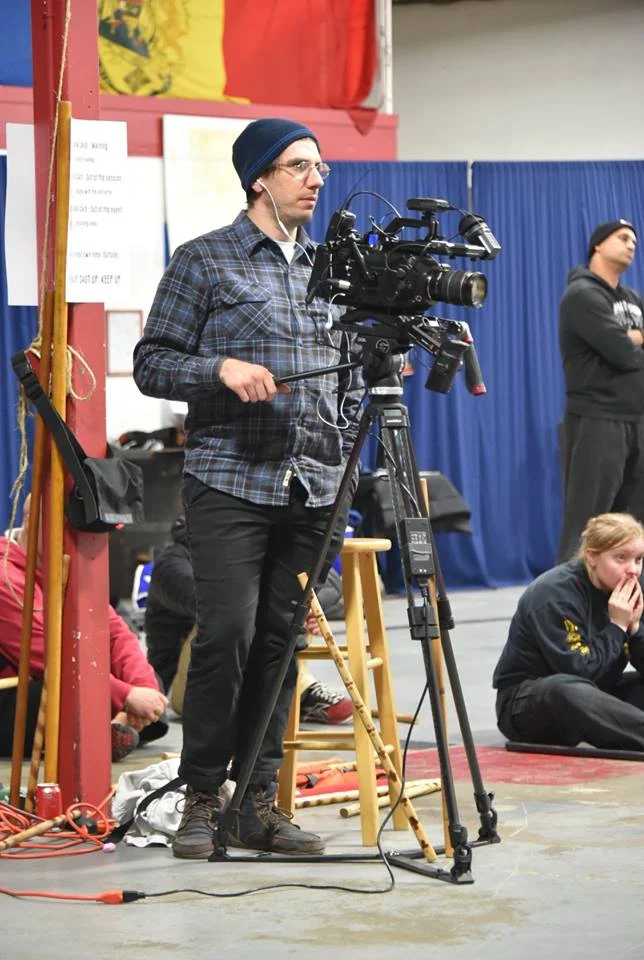
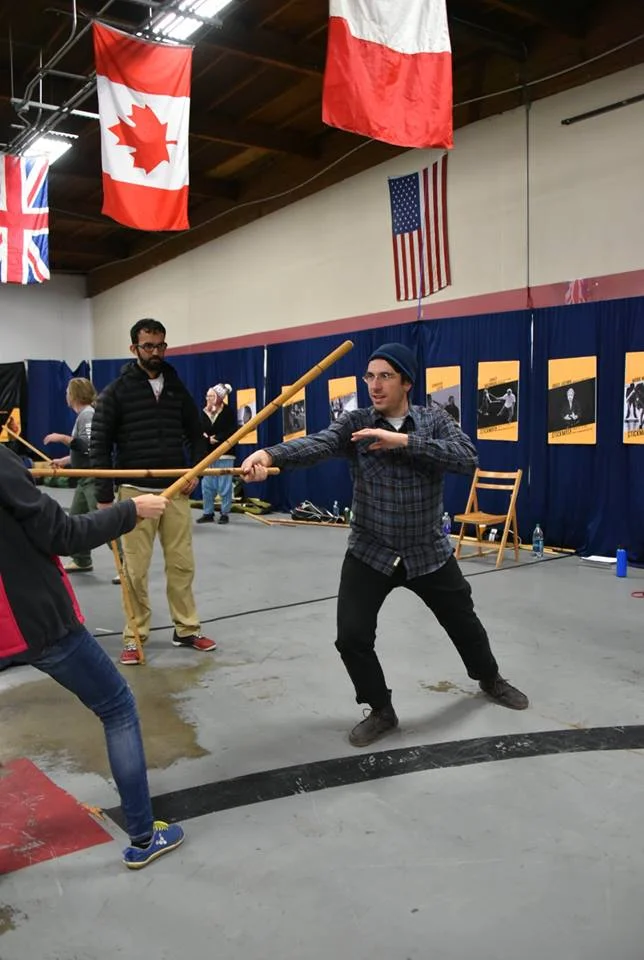
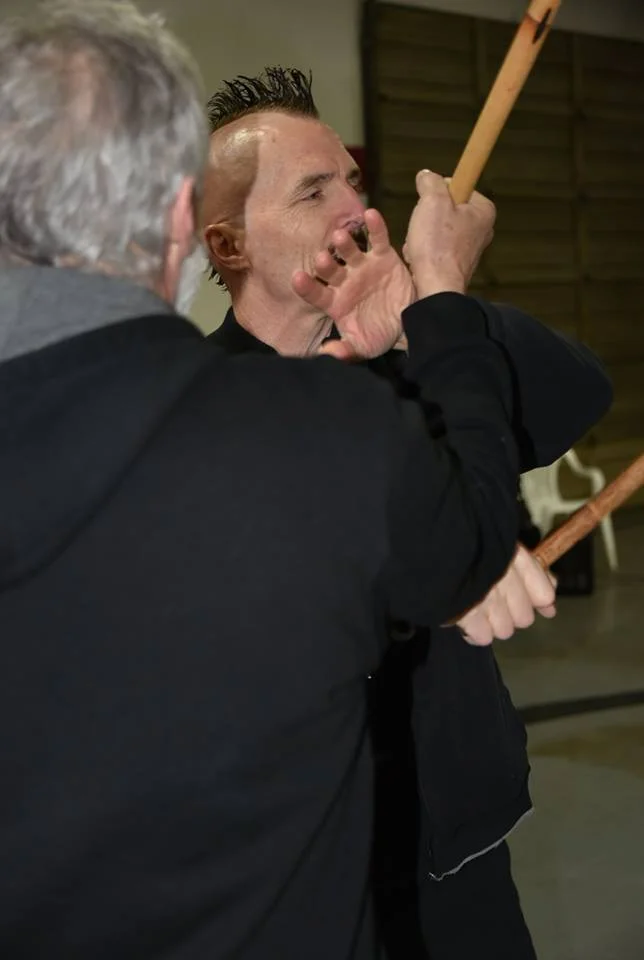
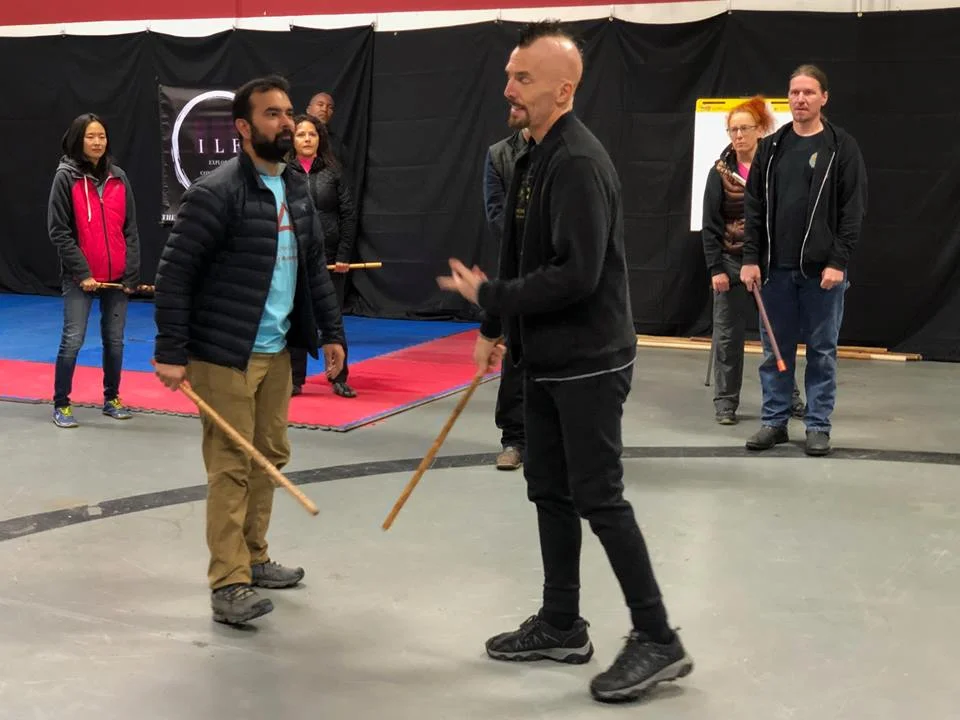
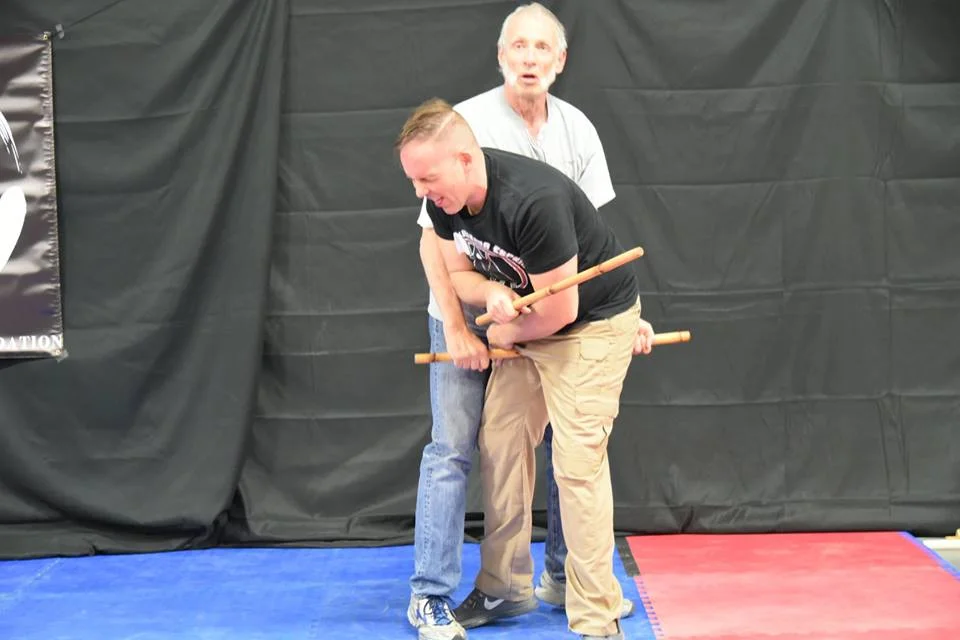
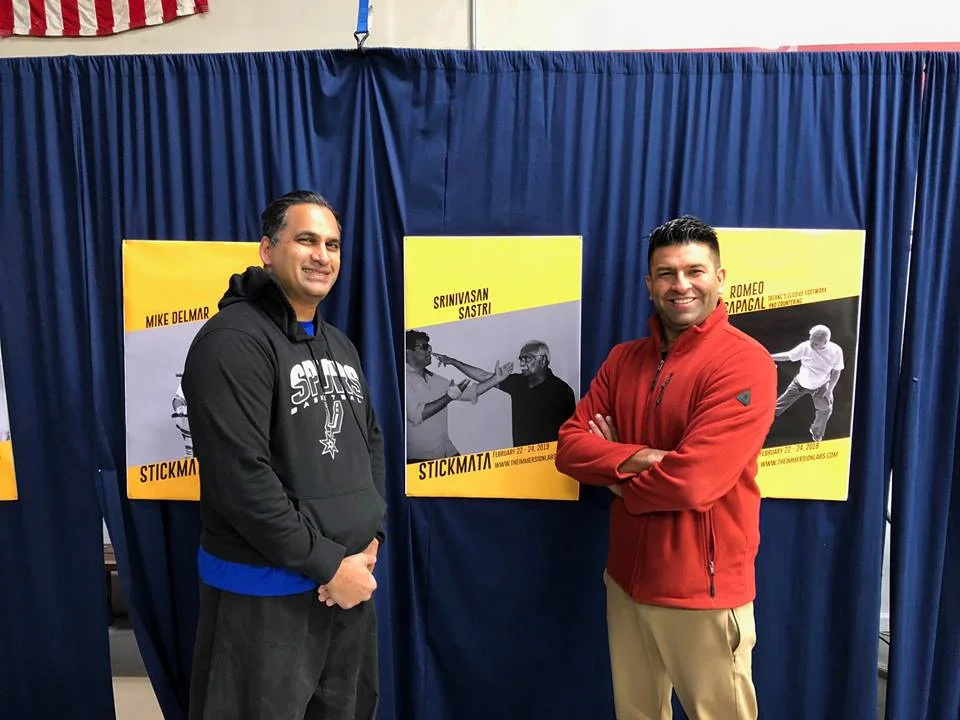
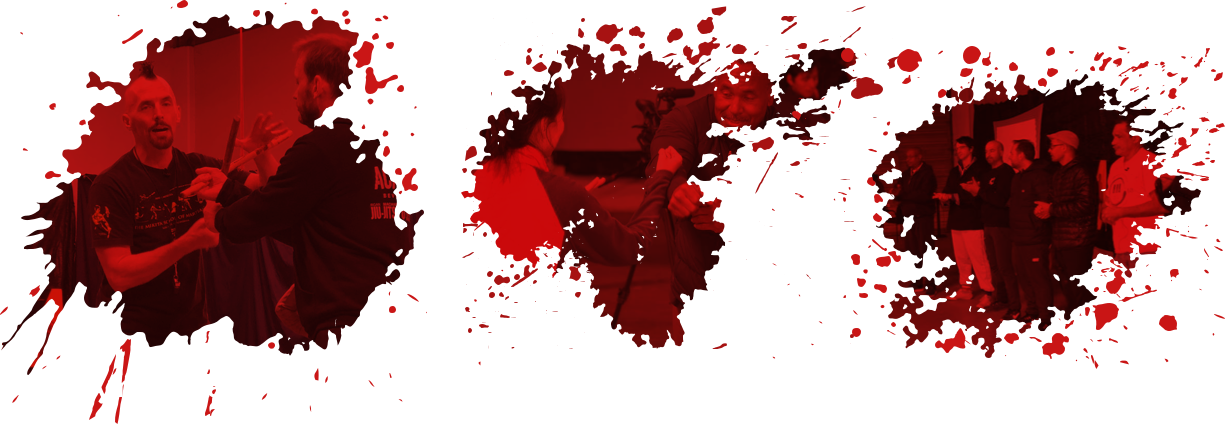
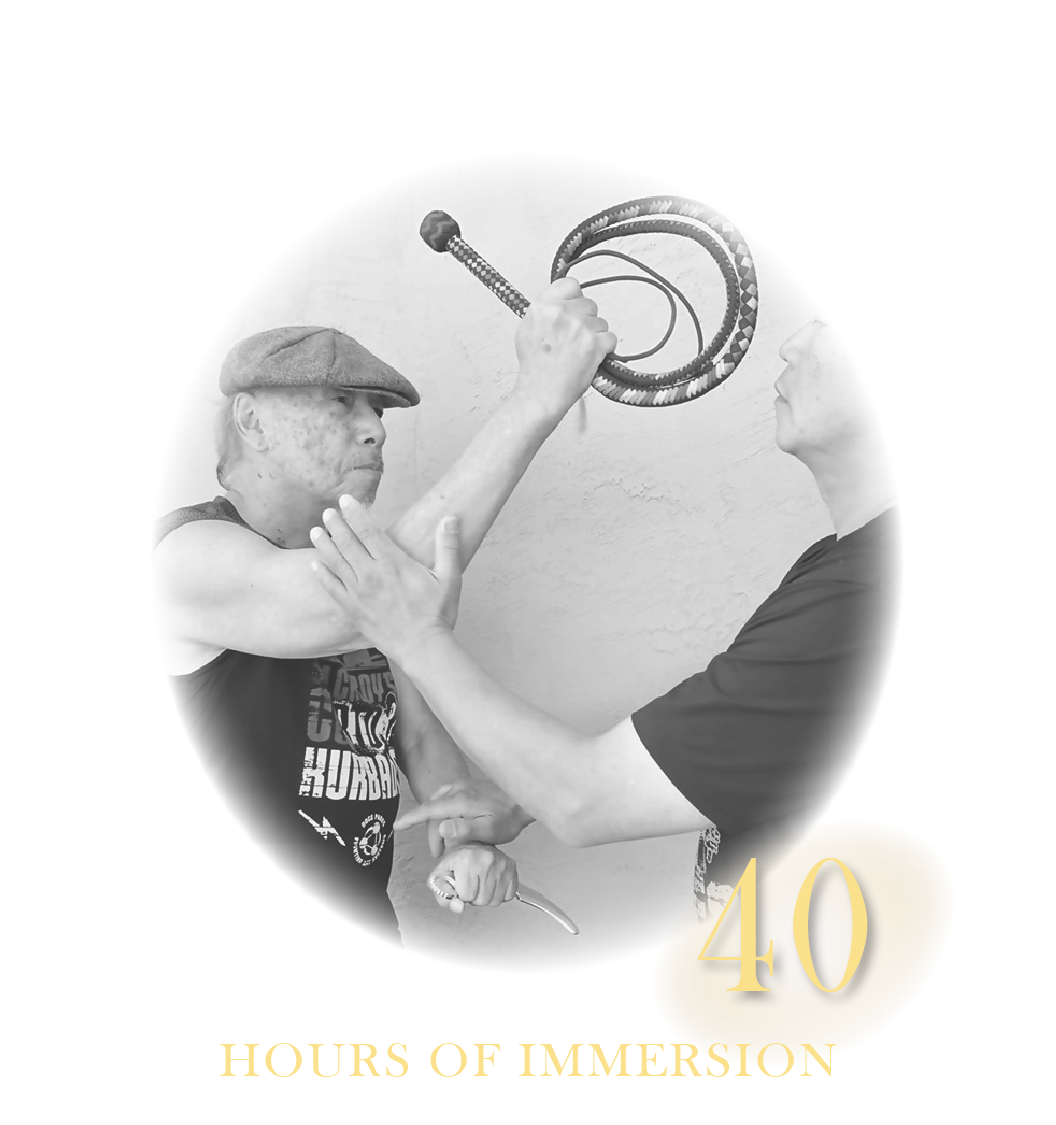
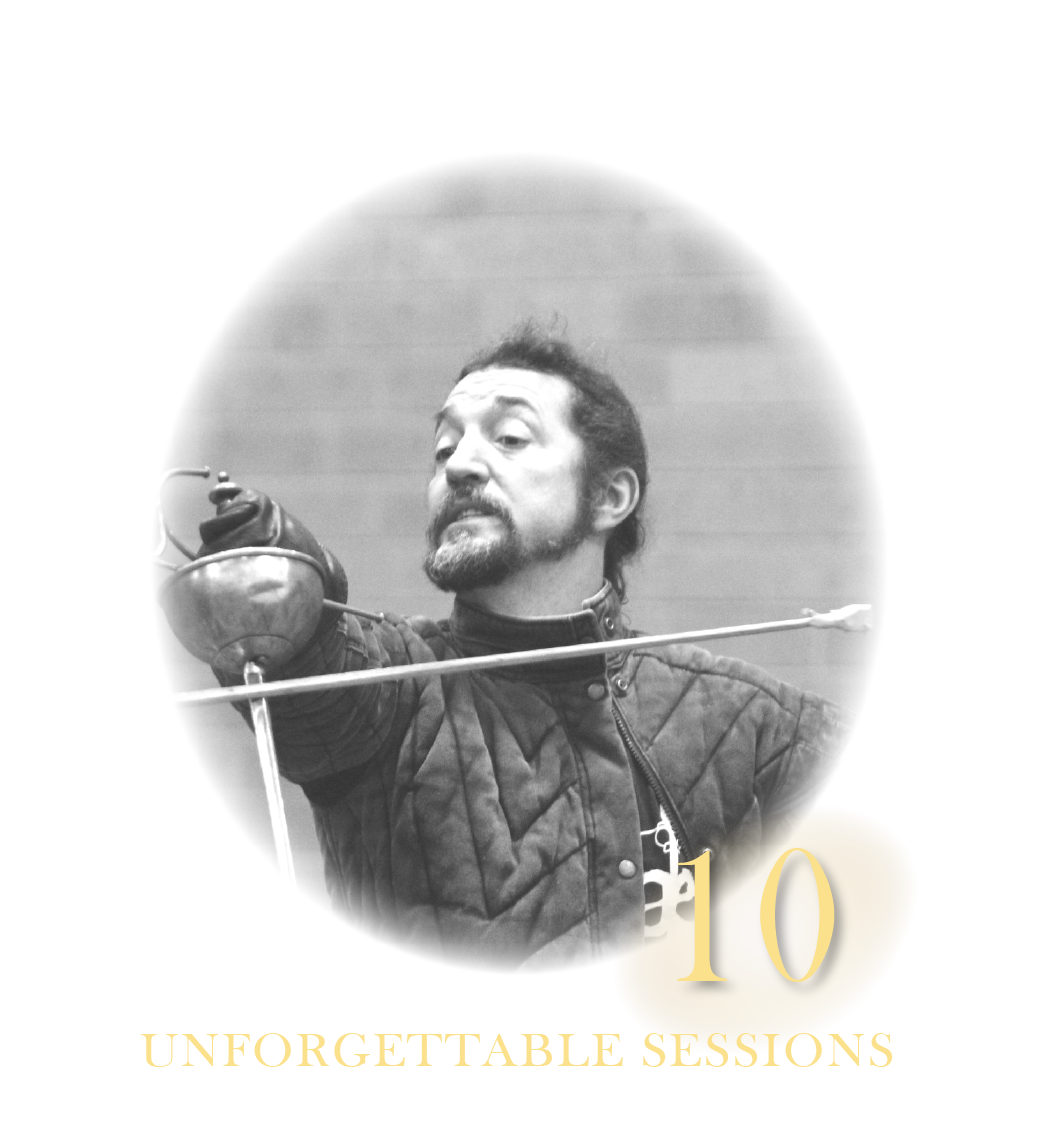
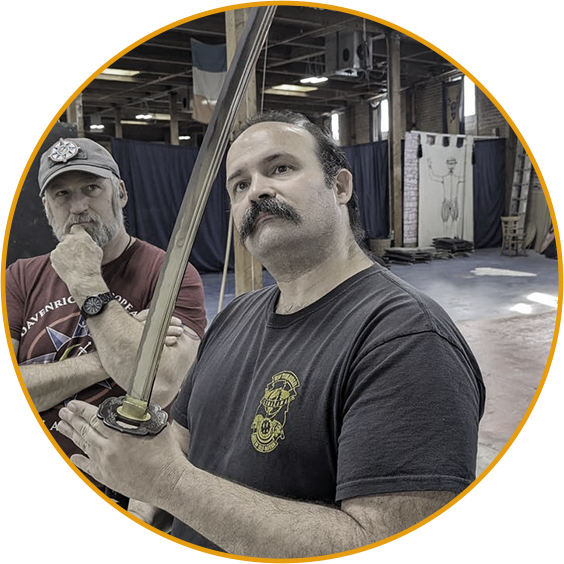
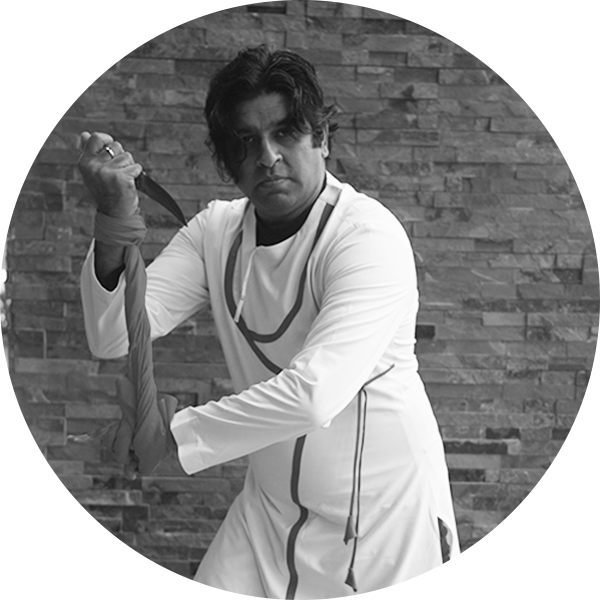
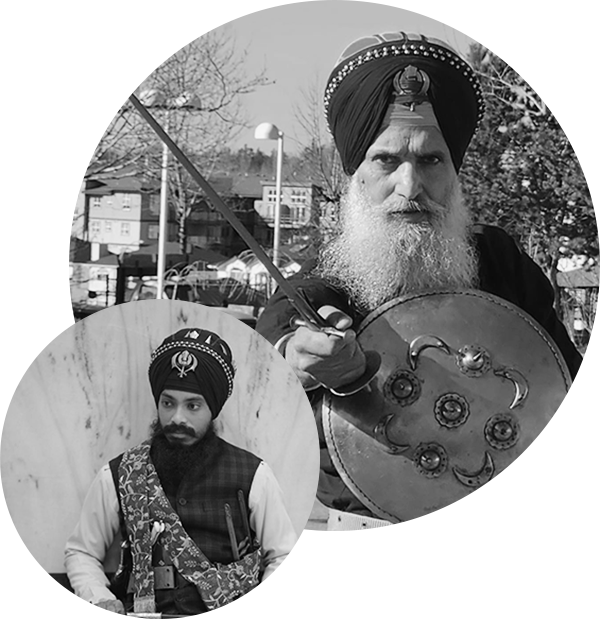
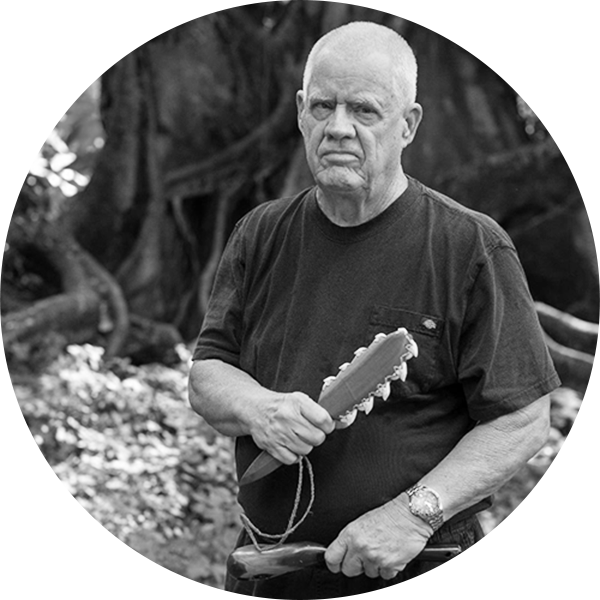
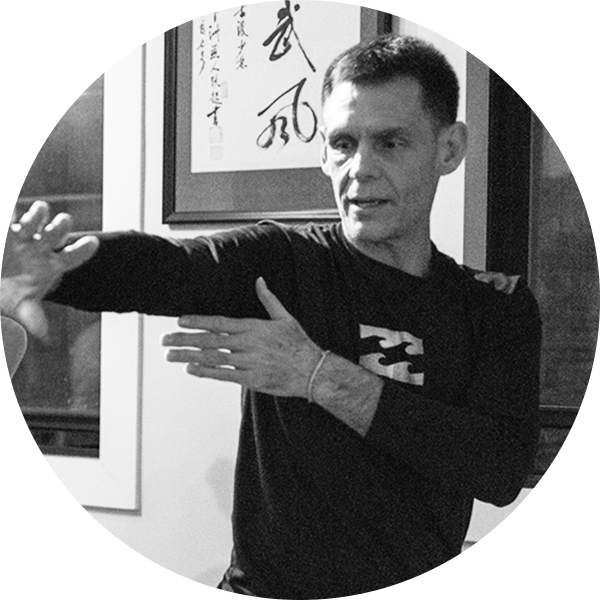
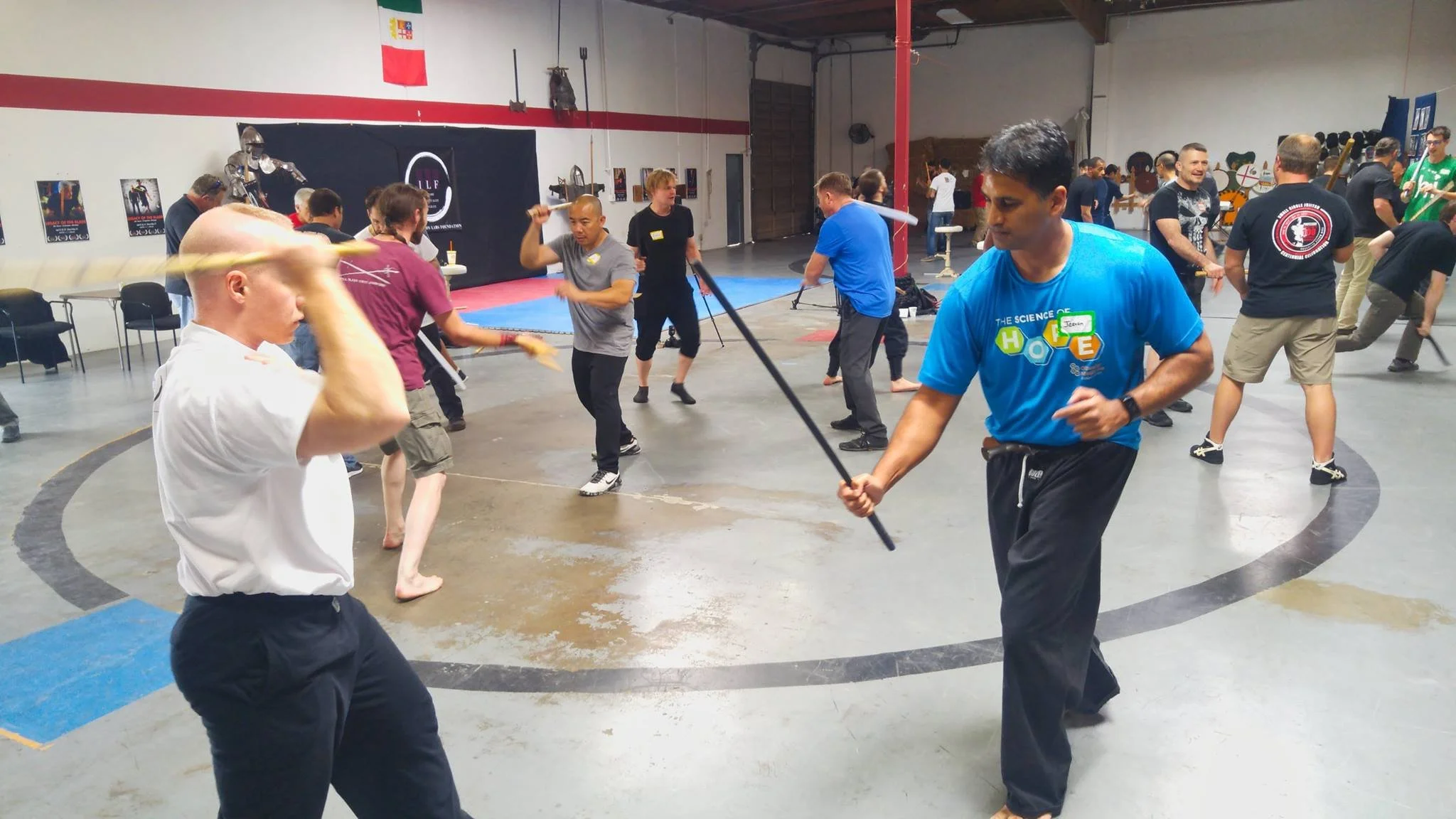
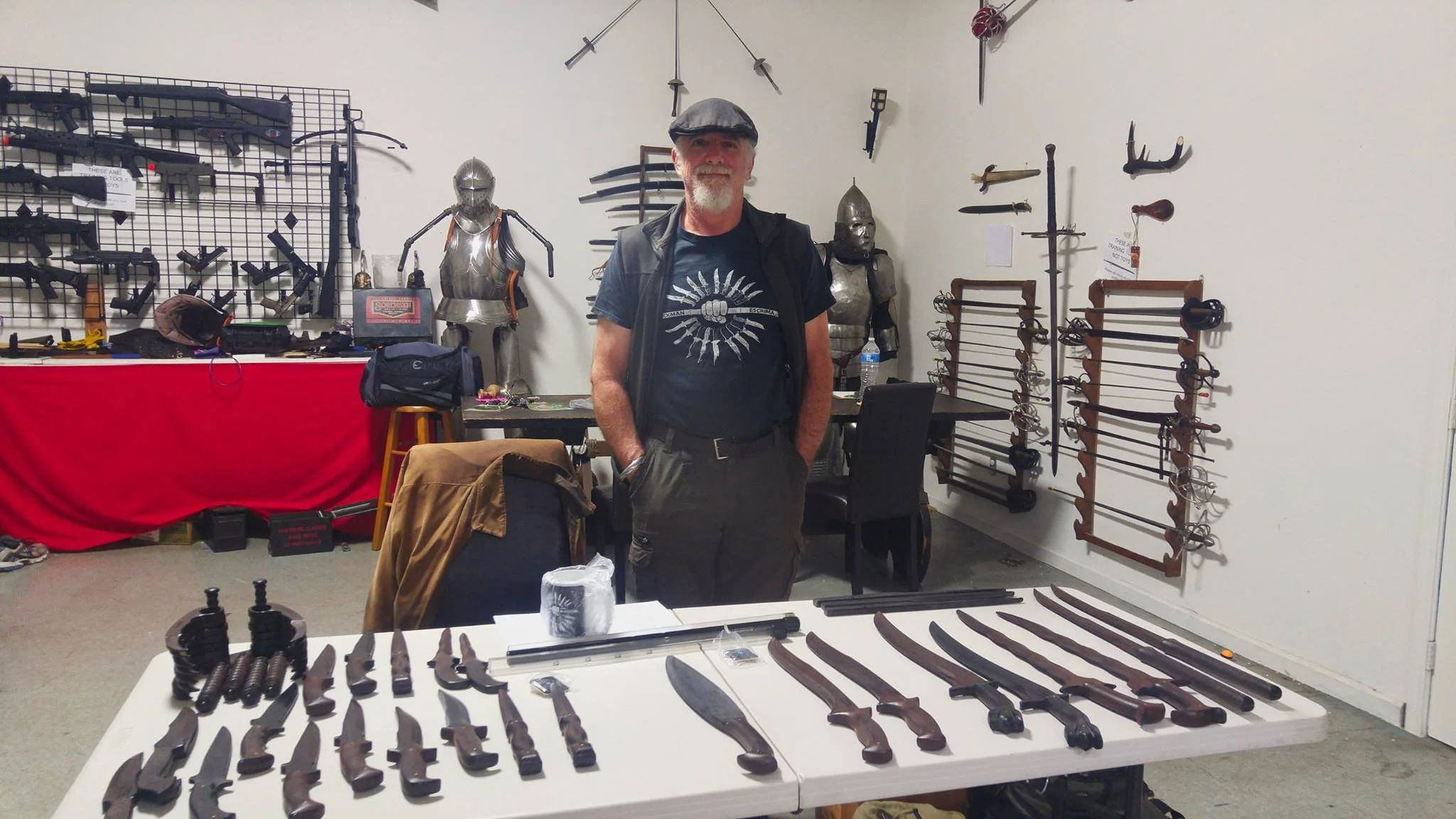
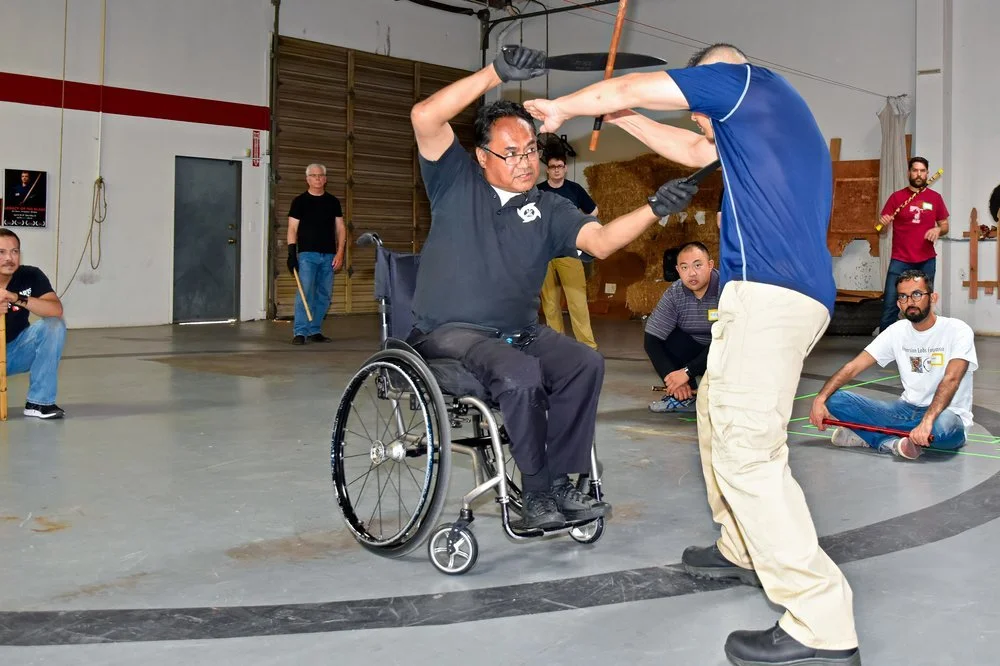
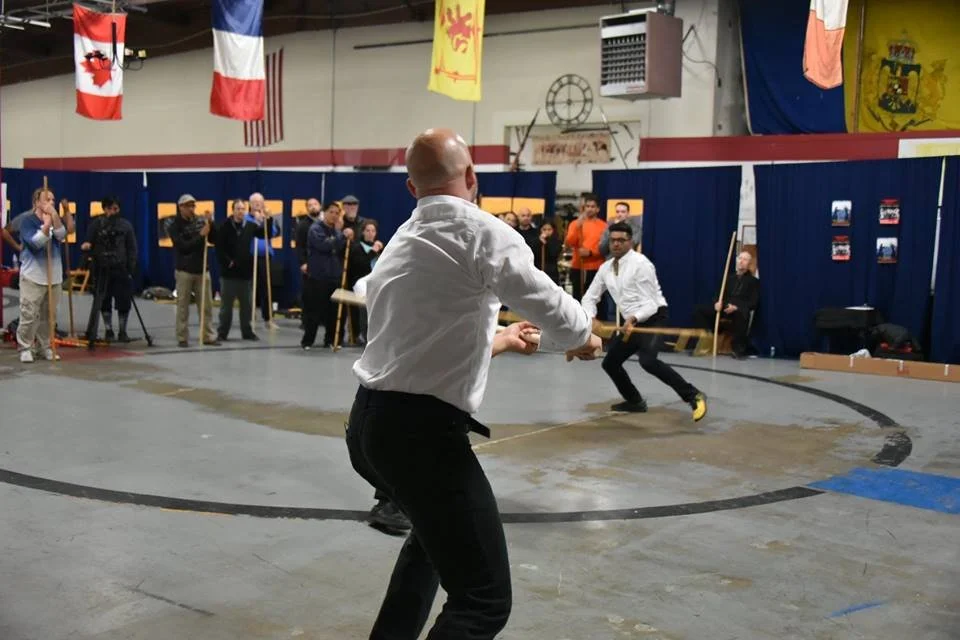
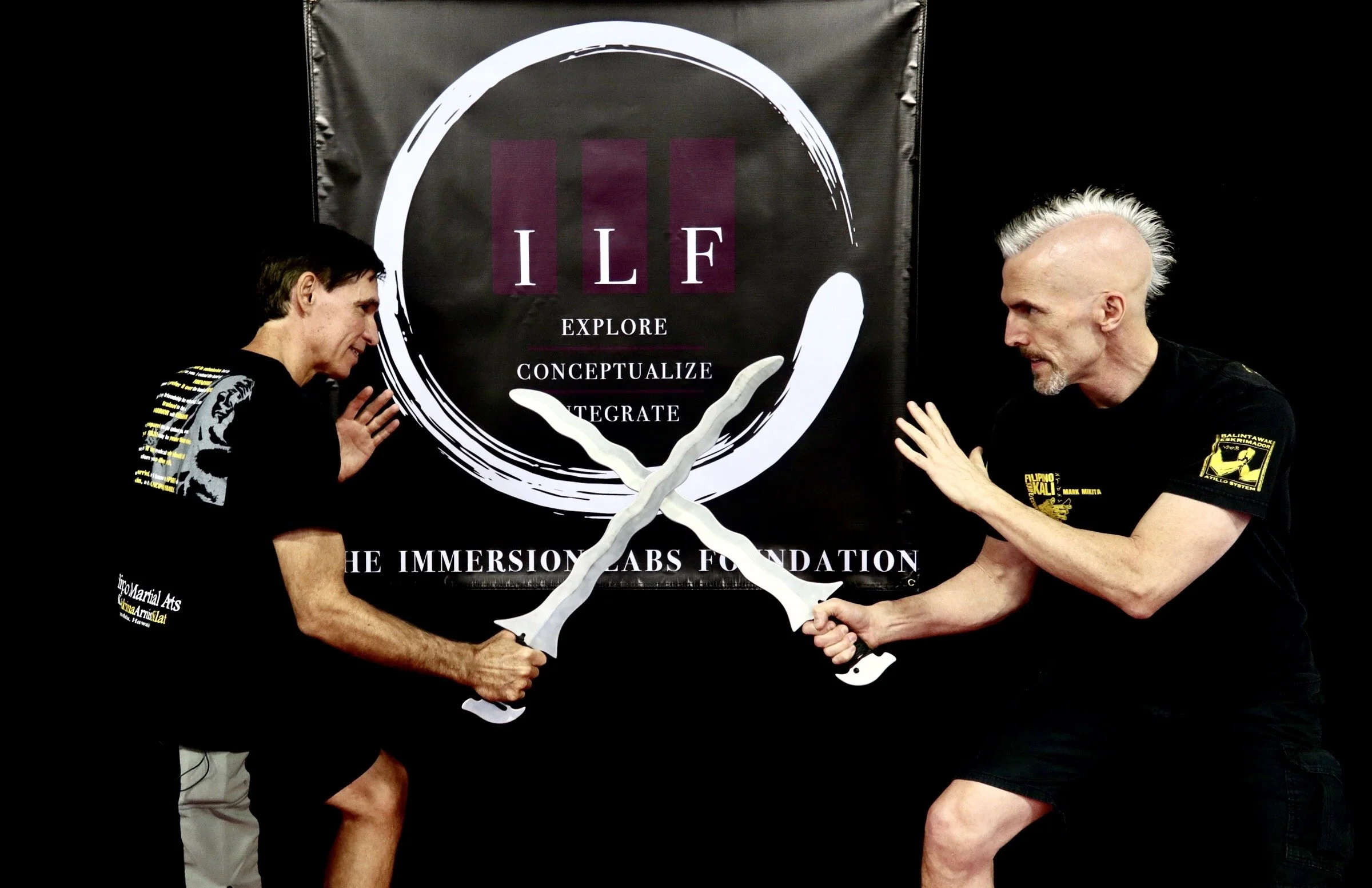
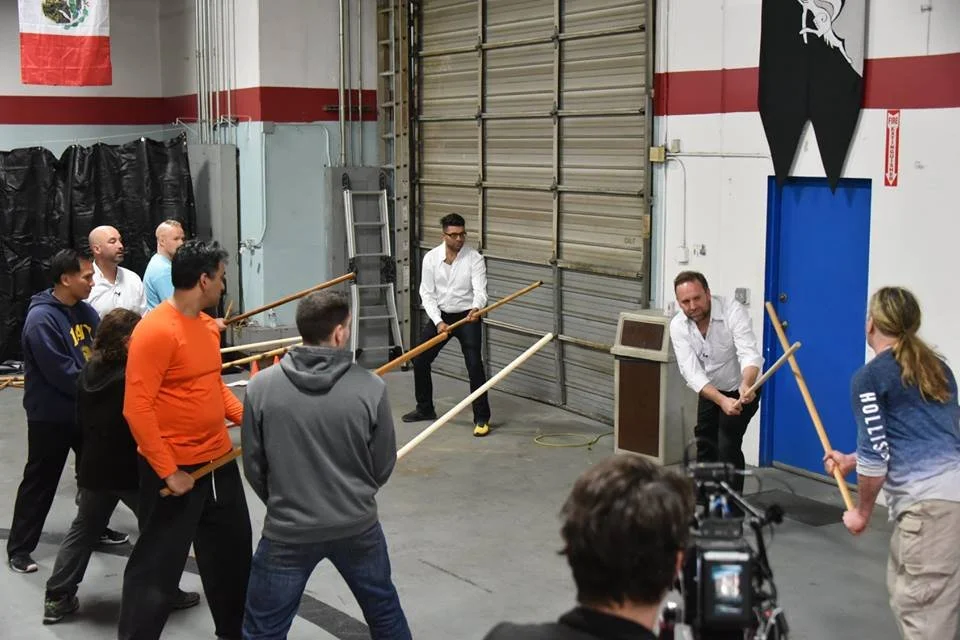
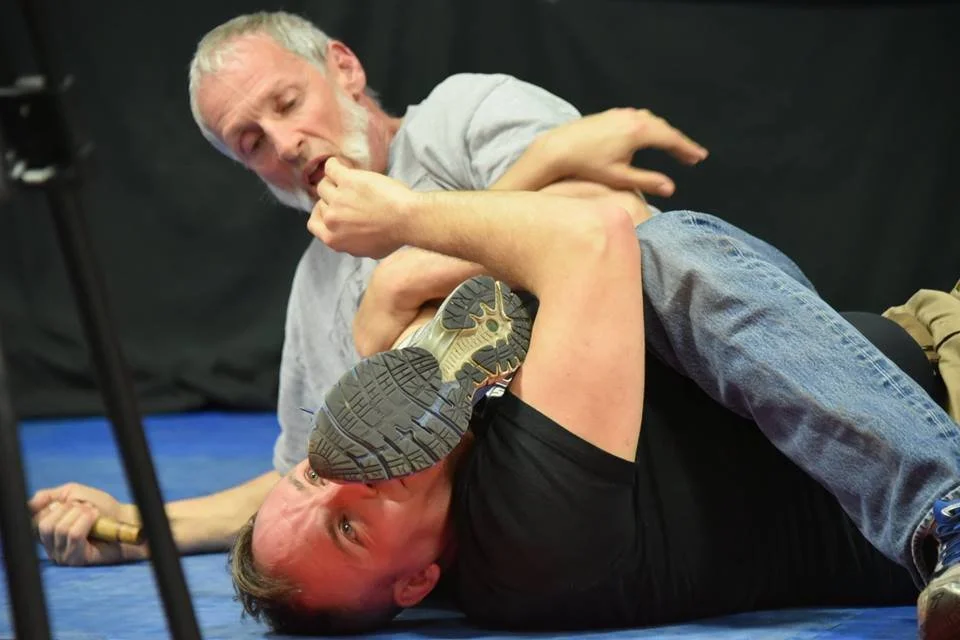
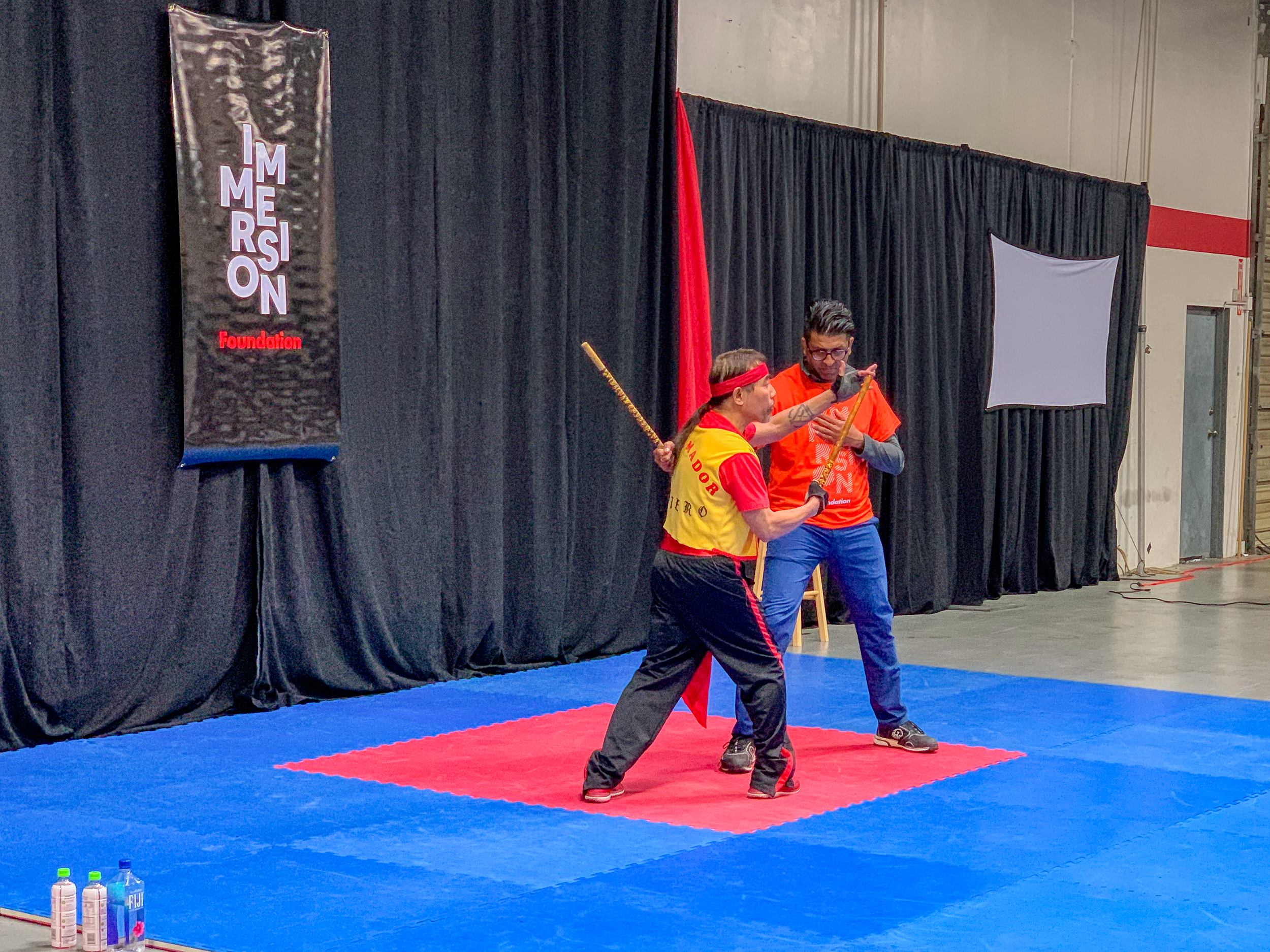
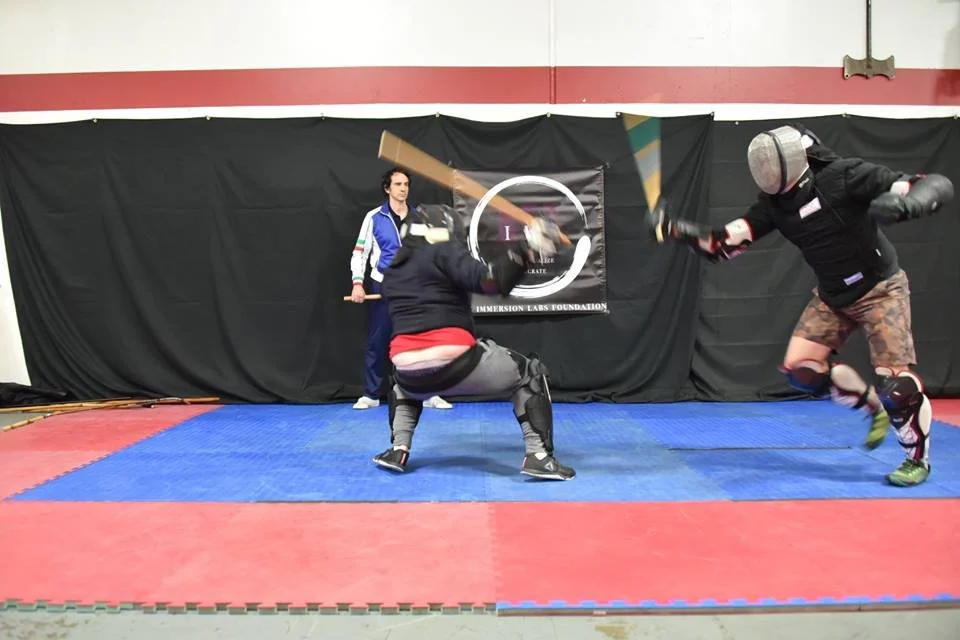
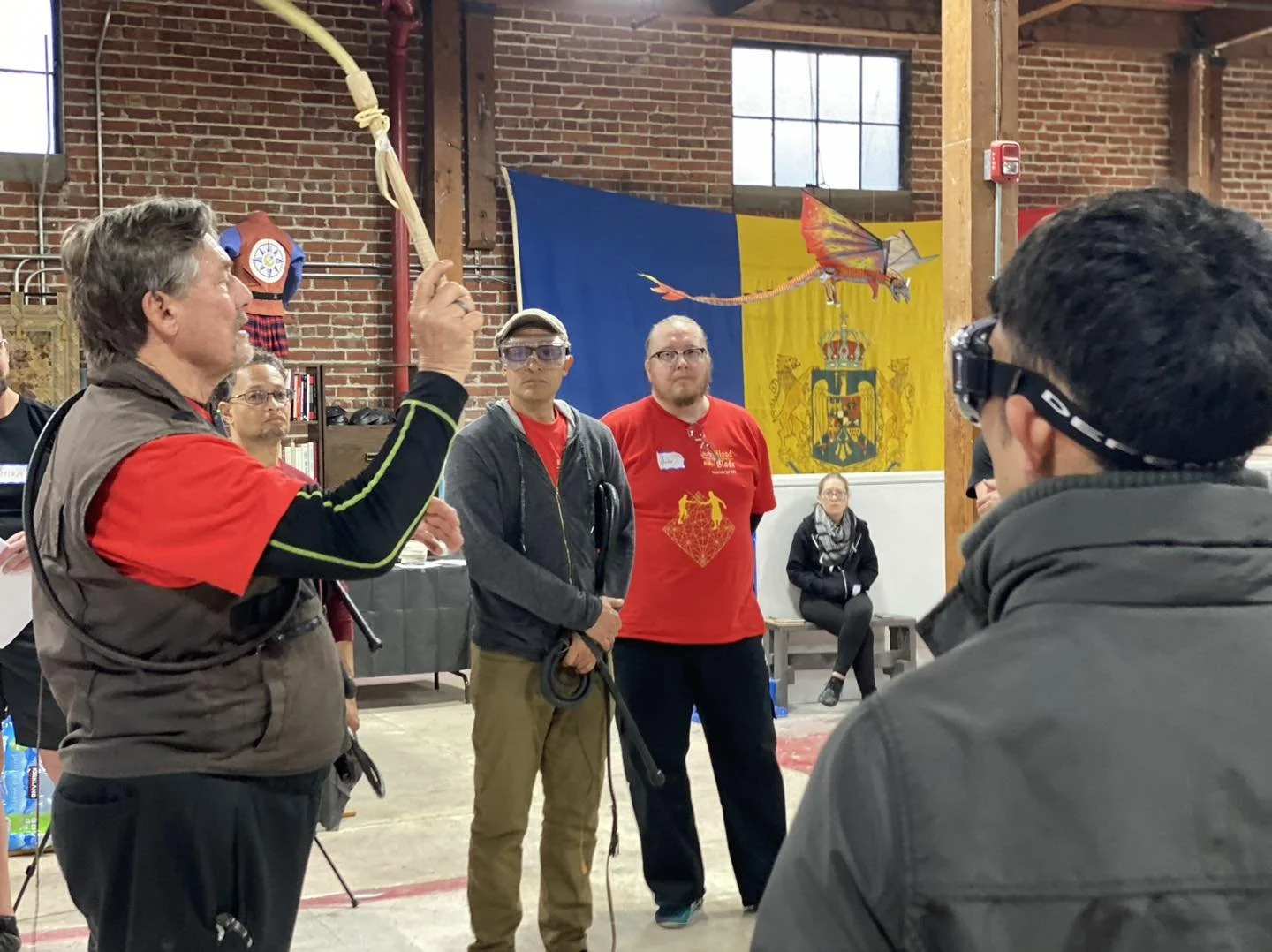
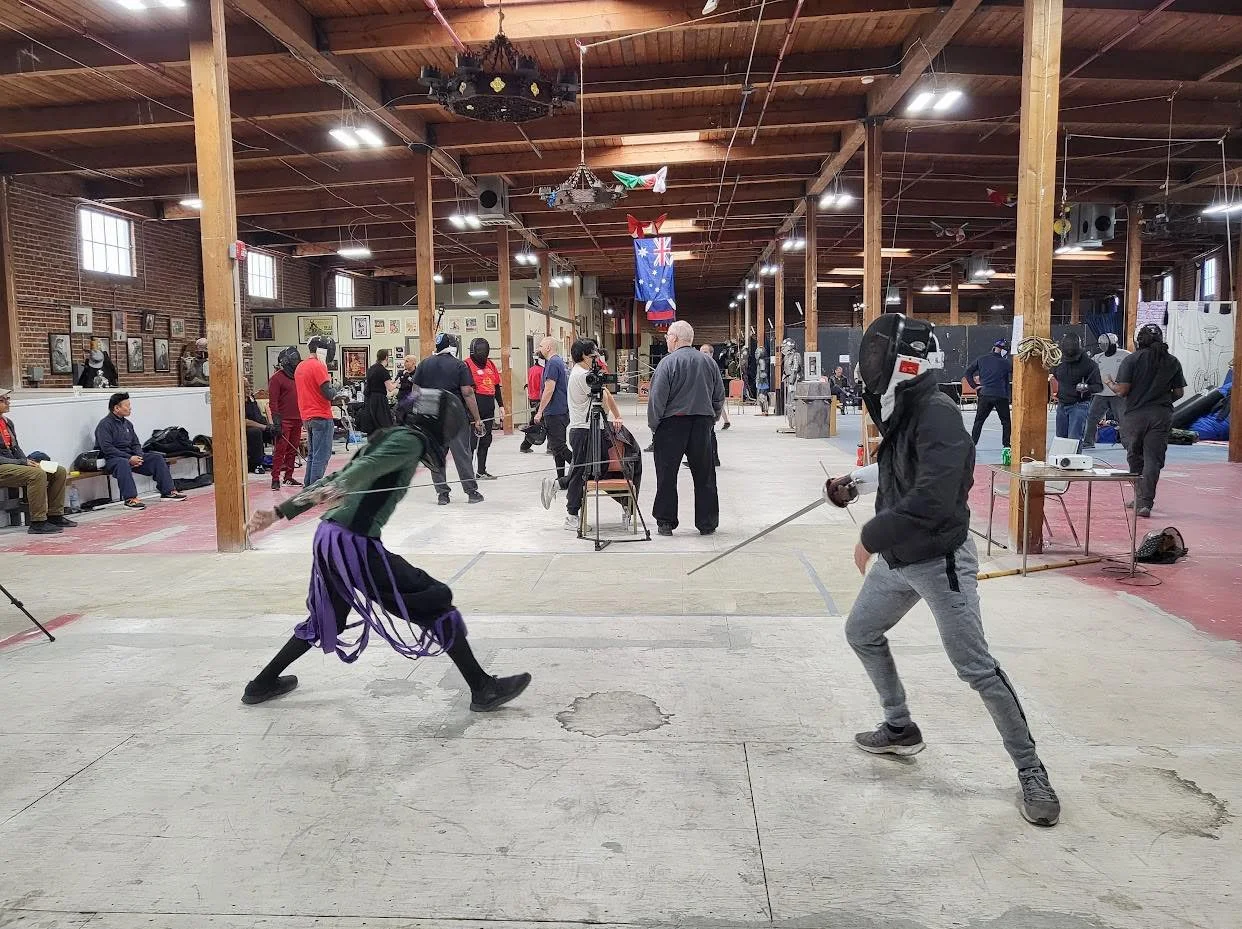
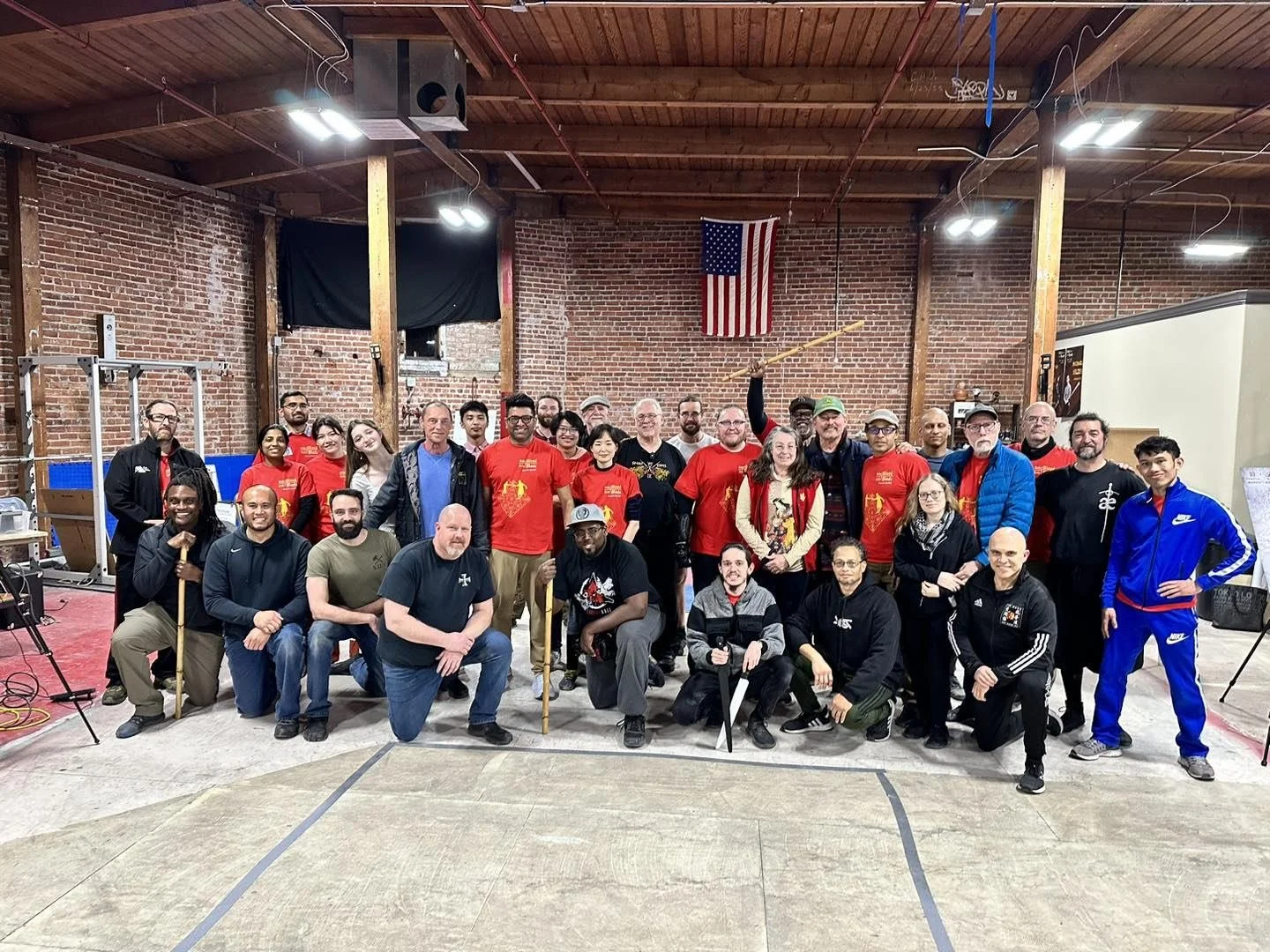
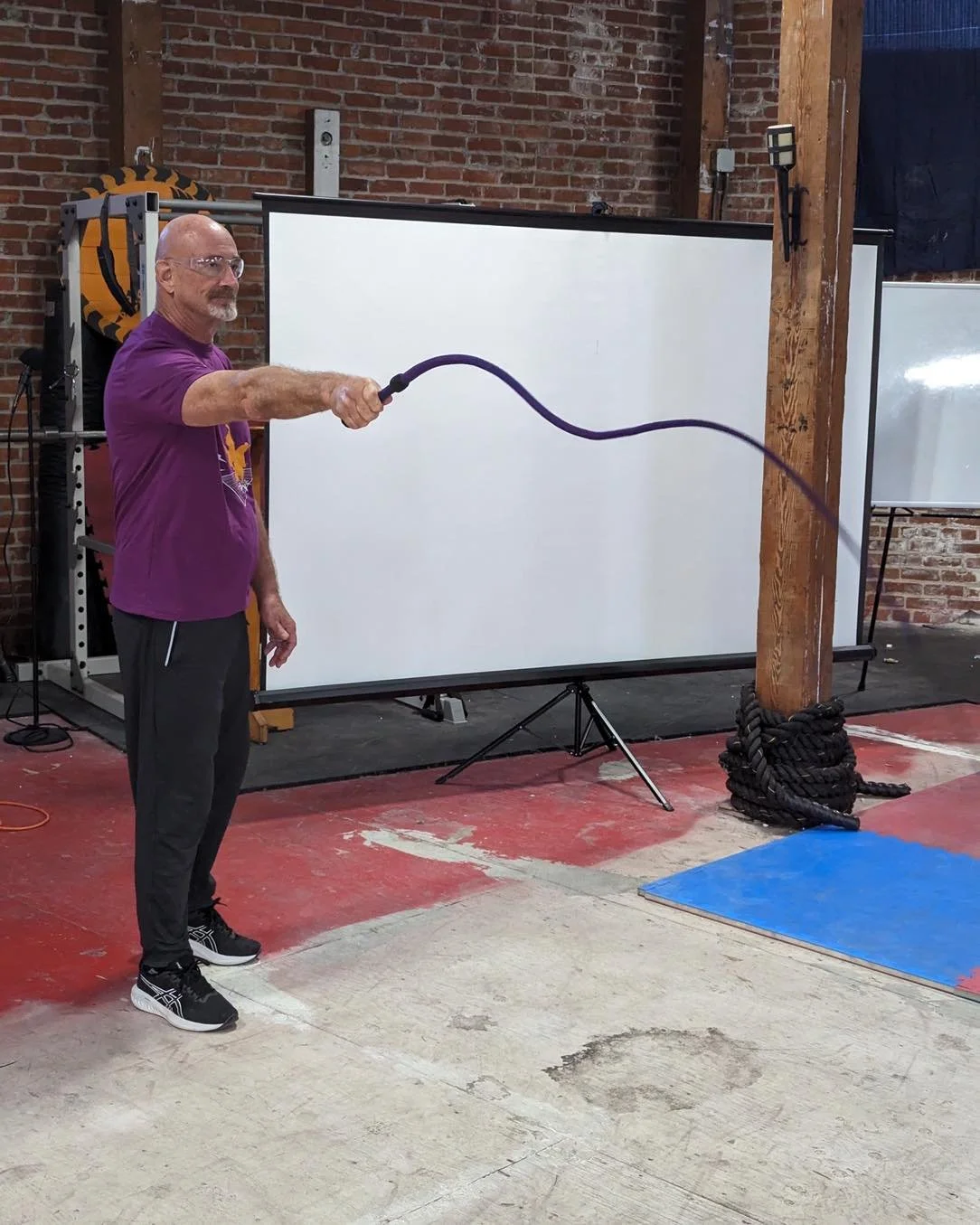
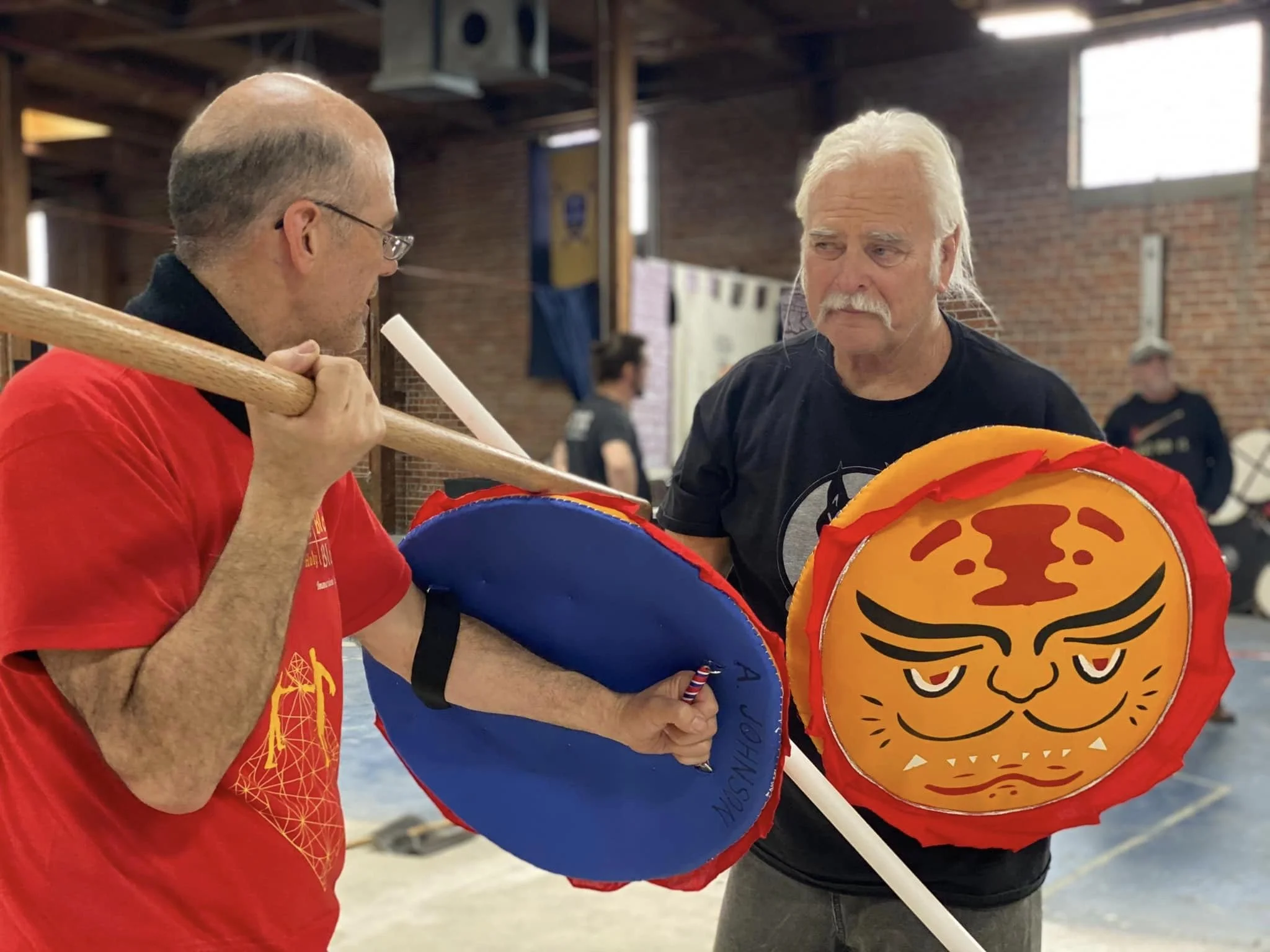
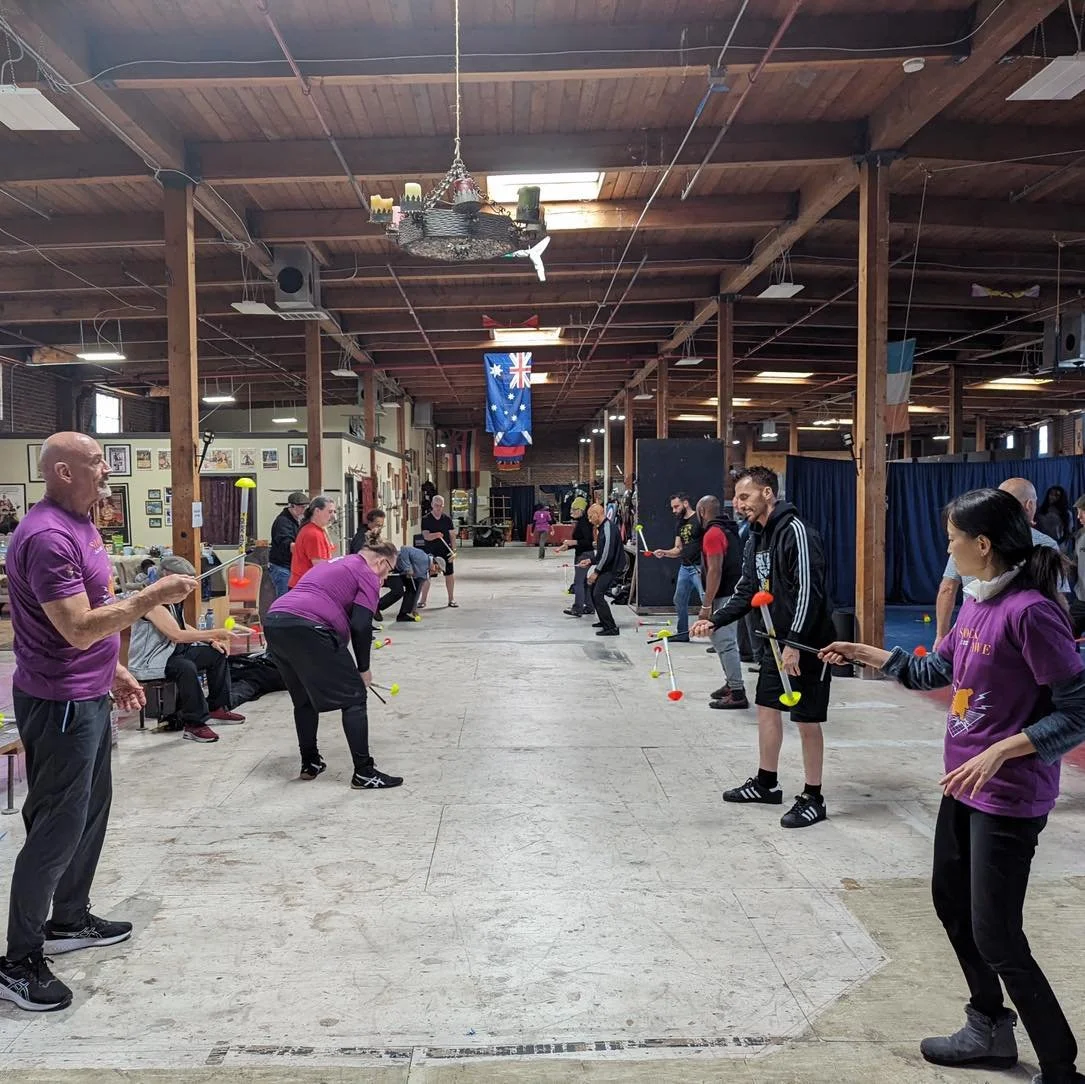
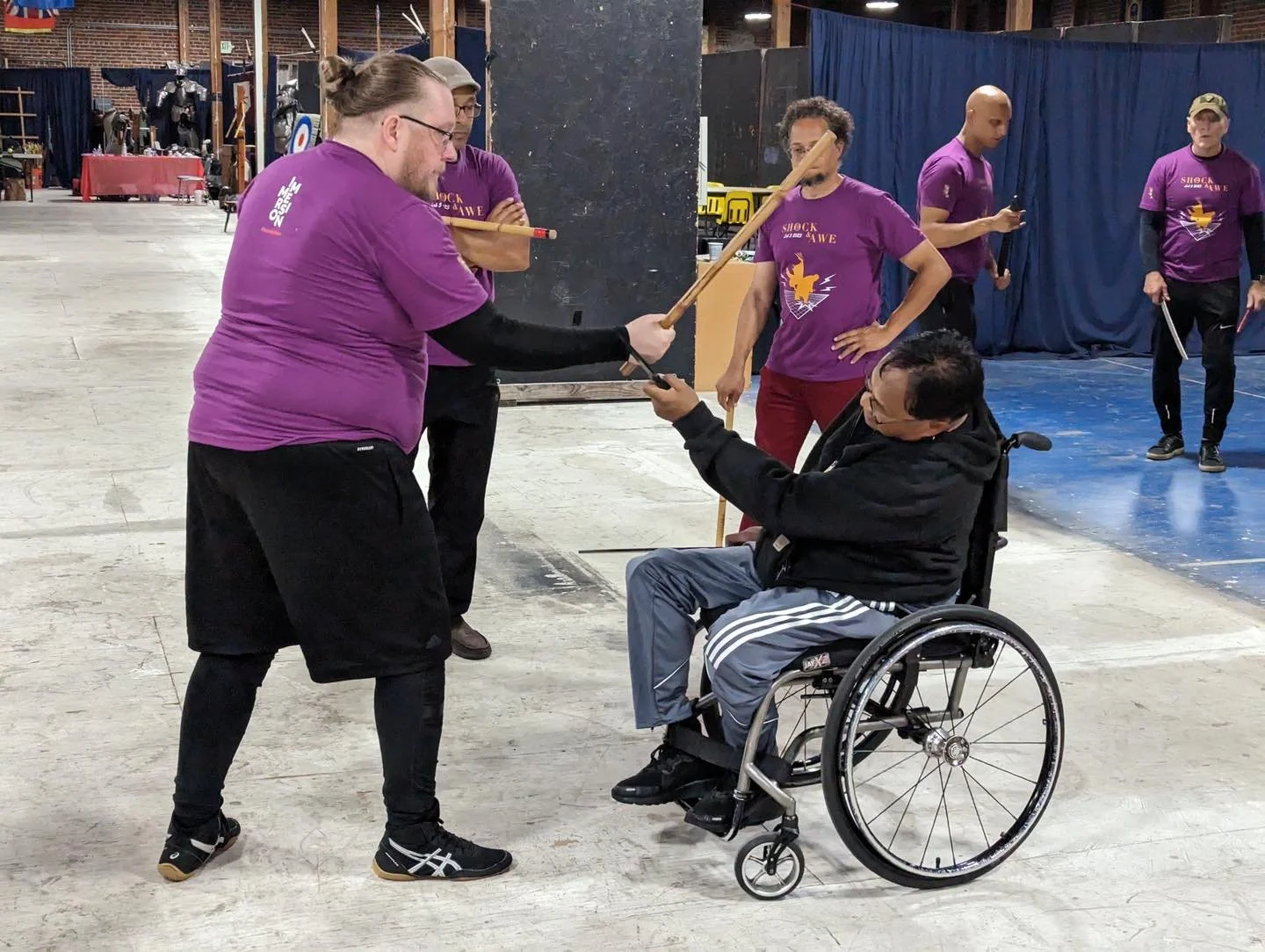
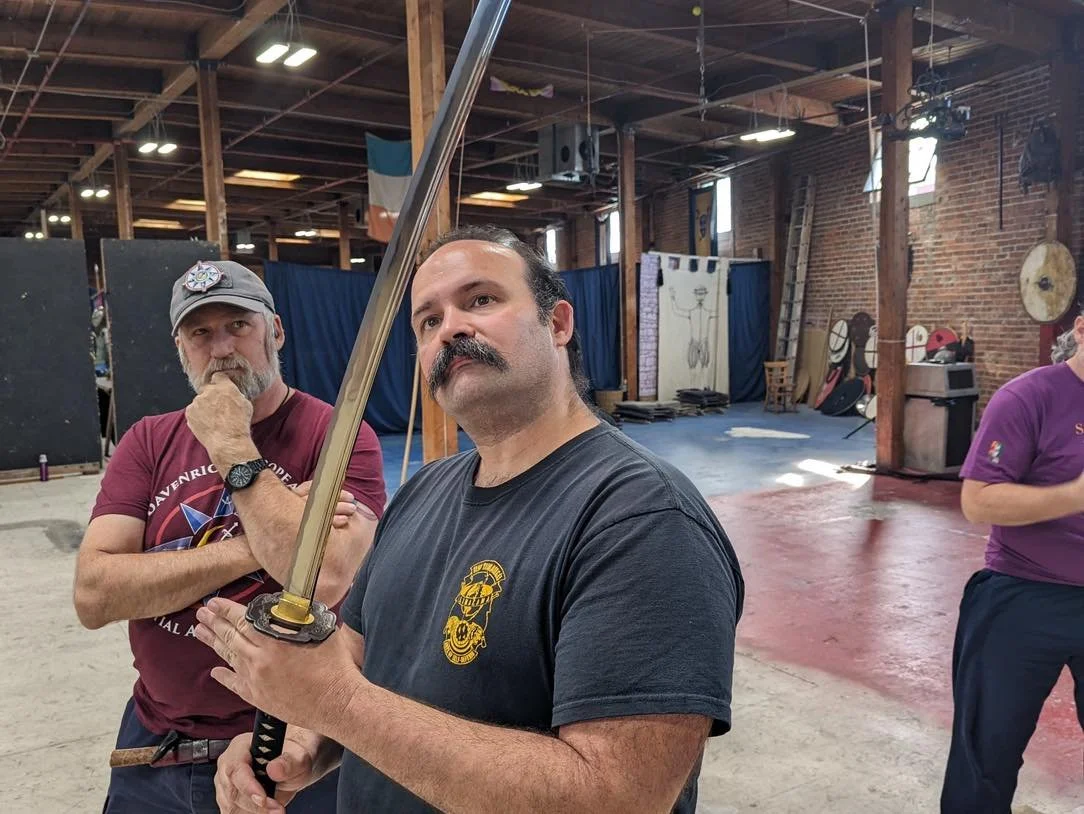
The first Immersion Lab: a no-frills laboratory for exploring blade concepts from around the world.
The Immersion Foundation
A field team, archive, and publishing house documenting how humans fight, train, adapt, and make meaning around combat.
Why We Exist →We go where the arts are still lived, and learn from source communities, inheritors, and practitioners in context.
We rescue voices, notes, films, and methods before they disappear, and preserve them with long-horizon intent.
We turn fieldwork into long-form books, journals, and films that remain useful beyond the moment of capture.
Not a martial arts school. Not a federation. Not a content stream.
An Unfinished Field
Three centuries. One unfinished project. This is what we call New Hoplology — lineage-aware, field-grounded, and future-facing.
Read the full account →Four instruments. One institutional logic.
Documenting living combative traditions in the communities that still carry them — before the window between historical and irrecoverable closes.
400+ hours of professional field footage, oral histories, and legacy materials — preserved to standards designed for the scholar working decades from now.
Four volumes. Two thousand pages. Eighty peer-reviewed articles. The most comprehensive hoplological study of a single weapon family ever published.
Masters from different traditions, one question each, every one published. Not a seminar. A working method.
"The history of the sword is the history of humanity." Sir Richard Francis Burton · 1876
The Immersion Foundation · The Unfinished Field
The record survives. Objects remain. Interpretation is still possible. Scholars can work with it — imperfectly, but meaningfully.
The record survives. The objects remain. But the embodied key that makes them fully intelligible — which lives only in the relationship between master and student — is gone. What remains is not the knowledge.
"The history of the sword is the history of humanity." Sir Richard Francis Burton · 1876
Most preservation efforts treat knowledge as if it lives in texts, objects, and recordings. Some knowledge does. Combat knowledge, in its full depth, does not. The mechanism of its disappearance is specific — and most existing institutions are not designed to address it.
A tradition becomes historical when primary records survive — texts, objects, films, oral accounts — but the living practice has ended or become discontinuous. The record can be studied. Something real can still be learned.
This is not catastrophe. Most of human knowledge is historical. Historians, archaeologists, and scholars work productively with historical material every day.
The Fechtbücher of 14th-century Germany survive. Scholars and practitioners reconstruct from them. The reconstruction is partial but real.
Ancient Greek wrestling is gone from practice but described in texts and depicted in sculpture. The record permits serious inquiry.
A tradition becomes irrecoverable when the living transmission breaks before adequate field documentation is made. The record was never sufficiently created. What survives is fragmentary, decontextualised, or absent.
The difference matters because it changes what is possible. Historical knowledge can be studied. Irrecoverable knowledge cannot be recovered. The window between these two conditions is the space where fieldwork operates — and the window is closing.
Stick traditions in parts of the Caribbean are now one practitioner deep. When that practitioner is gone, the specific technical and cultural knowledge goes with them.
Several Philippine regional weapon variants were inadequately documented before the communities that sustained them urbanised. They exist now in name only.
The Immersion Foundation works in the space between these two conditions. Once a tradition crosses from historical to irrecoverable, the work cannot be done. The window is the work.
In a limestone relief at Beni Hasan, Egypt, circa 2000 BCE, two men grip each other with a precision any trained grappler would recognize: weight forward, level changing, the outside leg positioned to sweep. Someone understood that what those men were doing was worth preserving in stone — that without deliberate effort, it would be lost.
The Mahabharata describes wrestling holds and weapon techniques with technical specificity. The Arthashastra of Kautilya treats combative training as foundational to governance. In China, the Sun Tzu is not merely military — its concerns are epistemological: the prepared mind, the cultivated body, the relationship between stillness and decisive action. Combat knowledge, in these traditions, was philosophy made physical.
Across every major civilization, without exception, someone made the same calculation: this will be lost if we do not act. The 14th-century German masters who wrote the Fechtbücher did so because they understood oral transmission was fragile. Japanese samurai families commissioned densho — handwritten transmission scrolls — entrusted to a single designated heir, because they understood the same thing.
The pattern holds across four millennia: cultures treat combat knowledge as important enough to record, and the record turns out to be insufficient. Not because the recorders failed, but because the problem they were solving — how to preserve knowledge that lives primarily in bodies and relationships — does not yield fully to texts and objects. Every generation underestimated how much the living key matters.
What history demonstrates is not that this problem is new. It is that this problem has never been adequately institutionalized. No civilization built a sustained structure for doing what the problem actually requires: going to the source, in the field, with the right practitioner depth and the right archival infrastructure, before the window closes.
19th Century · 1876
Sir Richard Francis Burton · Named the field
20th Century · 1952–1982
Donn F. Draeger · Proved the method
21st Century · Now
The Immersion Foundation · Building the institution
This is what TIF calls New Hoplology: lineage-aware, field-grounded, and future-facing. It honours Burton and Draeger not by repeating them, but by going further.
Sir Richard Francis Burton was, by almost any measure, the most capacious mind of the Victorian age. Soldier, diplomat, explorer, linguist — he spoke over 25 languages. The first European to enter Mecca in disguise and survive. He translated the Kama Sutra and One Thousand and One Nights for English readers. A serious swordsman who understood weapon systems from the inside, not merely as objects of curiosity.
In 1876, in the opening pages of The Book of the Sword, he coined a word: hoplology. From the Greek hoplon — weapon — and logos — study. The systematic, scholarly investigation of weapons, combat systems, and combative behavior as a lens onto human civilization itself. The word was a claim as much as a definition: this is a real field of inquiry, with intellectual dignity commensurate with what it can reveal.
This insight remains genuinely important. Most academic disciplines still treat combat knowledge as a subset of something else — military history, physical culture, folklore. Burton's claim was that it deserves its own systematic study, on its own terms. He was right.
He was also, inevitably, a Victorian Englishman standing at the centre of what he genuinely believed was the apex of human development. His hoplology was European in its frame, imperial in its assumptions, and teleological in its structure: weapon development moved from primitive to sophisticated, from the rest of the world toward the perfected European saber. The kris, the katana, the assegai, the stick traditions of the Caribbean and West Africa — interesting data points in a story whose conclusion he had already written before the research began.
This is not a criticism of Burton. It is a precise description of the field he left: genuinely named, genuinely important, and built on a foundation that would require another century and a fundamentally different methodology to correct. That correction came from one man, working largely alone, in the second half of the 20th century.
In 1952, a U.S. Marine named Donn F. Draeger arrived in Japan and began training. What followed over the next three decades was one of the most extraordinary feats of scholarly fieldwork in the history of the humanities — conducted almost entirely outside the institutions that would have recognized it as such.
Draeger understood something about hoplological method that Burton had gestured at but never enacted: you cannot study a combat system from the outside. The knowledge is not in the texts. It lives in the bodies of practitioners, accessible only through the relationship of practice. To understand classical jujutsu at the level that serious scholarship requires, you must train jujutsu seriously enough to internalize what cannot be written. He held high rank in multiple classical Japanese systems — not as credential collection, but as methodological commitment. He was practicing epistemology.
He wrote 25 books. He traveled extensively through Southeast Asia, documenting systems with no prior Western scholarly record. In 1971 he founded the International Hoplology Society — the first institution in history organized explicitly around Burton's founding insight. He mapped Japan. He pointed at the Americas, Africa, the Pacific, South Asia, the Caribbean, the diasporic traditions that had traveled with enslaved and colonized peoples across the world — and said, by implication: this needs doing.
When Donn Draeger died in 1982, hoplology lost its animating centre. His books remained. His archive survived, incompletely. His students scattered. The methodology did not disappear — but it did not grow. It did not acquire the institutional infrastructure, the global scope, or the publication capacity that would have made it permanent and scalable. He had built a corridor. The rooms at the end of it remained unmapped.
For a generation after his death, almost no one moved through the corridor he had built. And during that generation, the window was closing — steadily, irreversibly, in communities that neither Draeger nor any successor had yet reached.
The decades after 1982 were not idle years for martial arts globally. They were the years of the great commercial expansion: franchise schools, the global spread of sport martial arts, the emergence of mixed martial arts. There was extraordinary activity. There was almost no hoplology.
Academic martial arts studies developed during this period — largely in cultural studies, sociology, and sports science. It produced real and valuable work. Its structural limitation is that it studies martial arts primarily as cultural phenomena to be analyzed, not as bodies of knowledge to be learned and preserved. The practitioner depth required to understand what is actually being transmitted, at the level that field documentation demands, is largely absent. The scholars are not usually practitioners. The practitioners are not usually scholars.
The specific conditions that produce serious, decade-long commitment to a rare and demanding practice do not survive the transition to modernity easily. The master ages. The student who received the full transmission becomes the only one. When that student stops teaching — the tradition does not merely become historical. It crosses into irrecoverable.
Urbanisation accelerated. The economic conditions that had sustained village-level transmission of combative knowledge eroded everywhere and quickly. The last practitioner of a system does not usually announce himself. He simply becomes unavailable, and then he is gone, and then what he knew is gone with him. Not documented and then lost. Simply lost.
This is happening now. In the lifetimes of people alive today. The tally is not precisely known — and that uncertainty is itself a precise measure of how badly the institutional gap has mattered.
This is not a deficiency in those institutions. It is a difference in mandate. Each of the following does work that TIF could not replicate and does not attempt to — and each, by the nature of what it was built to do, leaves a specific room unentered. Naming that room precisely is the point of this table, not a verdict on the institutions themselves.
| Institution | What it preserves | What remains missing |
|---|---|---|
Museums & Cultural CollectionsObject preservation · Heritage stewardship Institutions like the Wallace Collection, the Met's Arms and Armor department, and countless regional museums hold collections that took generations to assemble and conserve with extraordinary professional rigor — work TIF depends on and could never duplicate. |
The artifact record itself: swords, armour, ritual objects, illustrated manuscripts, conserved to museum-grade standards and made accessible to scholars and the public for generations. This is foundational, permanent infrastructure for the entire field. | What a static collection cannot hold is the embodied use and teaching context around the object — how it was gripped, what a master said while teaching it. This is not a shortfall in museum practice; objects are what museums are built to hold. It simply means the living half of the record requires a different kind of institution working alongside them. |
Academic Martial Arts StudiesCultural analysis · Peer-reviewed scholarship A serious and steadily maturing field, with real institutional homes, dedicated journals, and scholars doing genuinely important interpretive and critical work on martial arts as cultural, historical, and social phenomena. |
Rigorous analysis and contextualization of the historical and cultural record — placing martial traditions within frameworks of colonialism, identity, gender, and nationalism that field documentation alone cannot provide. This scholarship gives TIF's own fieldwork its critical apparatus. | The discipline's center of gravity is analytical rather than expeditionary — its core methods do not require, and so do not usually produce, sustained primary fieldwork inside still-living practice communities before documentation becomes impossible. That is a difference in method, not a gap in seriousness, and the two approaches are complementary rather than competing. |
Martial Arts Schools & FederationsLiving transmission · Lineage continuity The reason anything survives at all. Schools and federations are doing the single most important job in this entire ecosystem: keeping a tradition alive, generation after generation, often against real economic and cultural pressure. |
Transmission of a lineage at the depth and fidelity that only sustained, internal teaching can provide. The living embodied knowledge within a tradition, held and passed on by people whose life's work this is. | A federation's responsibility is rightly to its own lineage, not to comparison across lineages — that is simply a different job. Cross-tradition, comparative documentation is work most schools have neither the mandate nor the resources to take on themselves, which is precisely the role a separate field-research institution can play in support of, not competition with, their work. |
Commercial PublishersMass distribution · Broad audiences Commercial publishing has done more than any other channel to put martial arts history and practice in front of a general audience — without it, most of this field's existing public literature simply would not exist. |
Wide distribution and editorial polish for work the market can carry — introductory texts, popular histories, accessible practitioner guides reaching readers well outside specialist circles. | A four-volume, 2,000-page comparative study of stick arts across thirty cultures is not, by ordinary commercial logic, a viable acquisition — and that is a reasonable, structural limit on what any publisher can be expected to fund, not a criticism of the industry. It simply means the deepest comparative work in this field tends to require a different funding model. |
The Wider Hoplology CommunityCarrying Draeger's methodology forward The individuals and organizations who have kept Donn Draeger's methodology and name alive since 1982 — often with limited resources and little institutional recognition — deserve real credit. Without their stewardship, the field's founding literature might not have survived this long at all. |
The methodological foundation Draeger established, and a body of work — concentrated especially in Japan and Southeast Asia — that remains the strongest existing literature in the field. This is the ground TIF builds on, not a body of work TIF claims to supersede. | Draeger's own ambition was famously broader than any one person, even him, could complete in a lifetime. TIF sees its work as an extension of that ambition into regions and at an institutional scale he did not have the resources to reach — a continuation alongside others doing the same, not a replacement of them. |
The Immersion FoundationNew Hoplology · Compound institutional logic |
Field methodology, practitioner depth, professional archival infrastructure, publication capacity, global scope, and sustained institutional continuity — held together in one structure, alongside and in support of the institutions above, not instead of them. | This is a young attempt at an old, difficult problem. It is offered for scrutiny and collaboration, not as a verdict on anyone else's work — a contribution to a shared field, not a claim to have completed it. |
This field has needed a compound institution for 150 years — one combining field methodology, archival infrastructure, and publication capacity in a single sustained structure. The Immersion Foundation is a present-tense attempt to build that, in fieldwork, archive conservation, comparative gathering, and long-form publication — alongside museums, scholars, schools, and fellow hoplologists already doing related work, not apart from them.
This is not a claim of completion, and not a claim of exclusivity. It is an open, testable institutional commitment — and an invitation to anyone who takes this problem as seriously as it deserves.
Seven major expeditions conducted in living communities — not reconstructions. The window-before-irrecoverable work, done before it was too late.
400+ hours of 4K professional footage. 100TB+ preserved with redundant off-site storage. Full metadata. Built for the scholar working in 2060 as much as in 2026.
The Book of the Stick: four volumes, 2,000+ pages, 80 peer-reviewed articles, 30+ traditions. The most comprehensive hoplological study of a single weapon family produced in a generation.
Five major Labs. Masters from multiple traditions. One question examined in depth each time. Not a seminar. Every one published. The sixth in preparation.
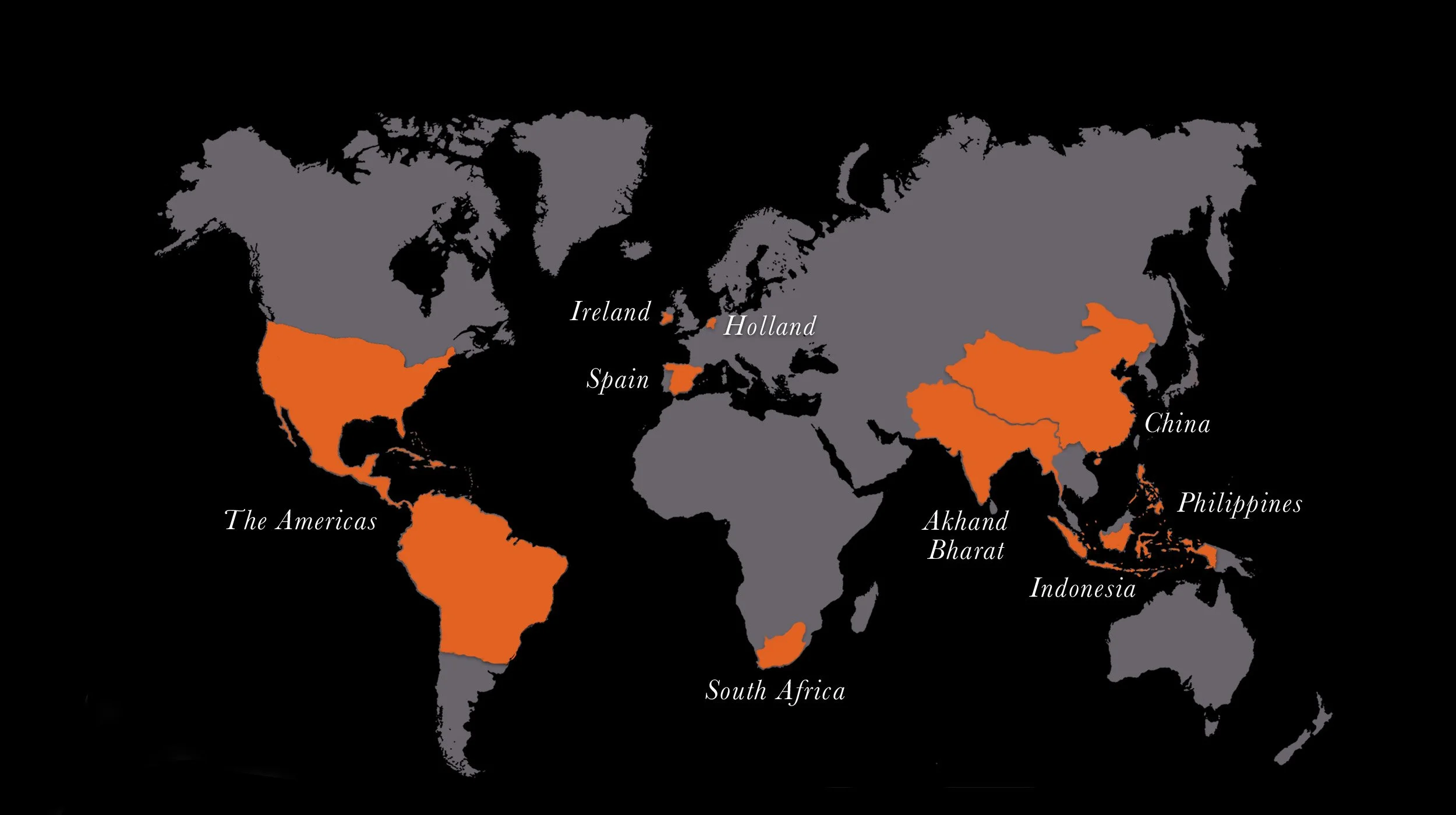
30+ regions documented. Caribbean, South Asian, Southeast Asian, Americas traditions — the rooms Burton left unmapped and Draeger pointed at. The map is still being drawn.
The following metrics appear here, after the argument, because scale confirms commitment — it does not substitute for it. A serious institutional claim should be readable before the numbers appear.
Major Expeditions
Hours of Footage
Archived Data
Major Labs
Regions Documented
Major Publications
The Immersion Foundation · Fieldwork
Seven expeditions. Six Immersion Labs. Two distinct instruments of field research — one that goes to the source, one that interrogates what the source reveals.
An expedition is primary field documentation work. TIF goes to communities where a combative tradition is still lived, earns access through sustained practitioner relationships, and produces a professional archival record that did not exist before. The output is primary material — footage, oral histories, technical documentation — captured before the window closes.
An Immersion Lab is a structured comparative inquiry. Masters and researchers from different traditions are brought together around a single question. The premise is that each tradition holds part of an answer that no single tradition can see alone. Every Lab produces a published record. Neither instrument is a seminar, a performance, or a public event.
Field-first. Every expedition produces a permanent archival record. The documentation is made before the window between historical and irrecoverable closes.
Expedition 01
The first major hoplological expedition into the Caribbean in over 40 years. TIF documented four stick and combat traditions — Sticklicking, Kalinda, Gilpin, and Rope Jab — that had survived the Middle Passage, emancipation, and colonial suppression, but were now in the early 21st century one generation from irrecoverable. Working directly with the last masters still transmitting at full depth, the expedition produced the first professional archival record of their technical vocabularies, their musical and ritual context, and the pedagogical structures through which the knowledge has been carried. The material was later distilled into Secret Fighting Arts of the Americas.
Expedition 02
Portugal carries one of the oldest continuously documented stick-fighting traditions in Europe — Jogo do Pau, a system with deep roots in rural Portuguese culture that has survived into the present with remarkable structural continuity. This expedition engaged directly with practising lineages, producing field documentation of a tradition that, while not endangered in the way of Caribbean or Southeast Asian systems, had been inadequately represented in comparative hoplological literature. The footage and technical archive constitute a reference record of living Jogo do Pau practice at the level of precision the field requires.
Expedition 03
Southeast Asia holds some of the most diverse living combative traditions on earth — a consequence of its maritime geography, its position at the convergence of Indian, Chinese, and indigenous cultural currents, and its history of both resistance to and absorption of colonial disruption. TIF documented classical and vernacular systems across four countries, deliberately seeking traditions in active community use that maintained genuine transmission continuity distinct from modern sport or export-facing versions. Bokator in Cambodia — suppressed during the Khmer Rouge period and reconstructed by surviving practitioners — received particular attention. The footage constitutes a comprehensive technical record of Bokator practice as it exists today.
The Contra Expeditions are a distinct format within TIF fieldwork — shorter, highly focused field engagements built around a specific master, a specific tradition, or a specific comparative question. Where major expeditions document an ecosystem across a region, Contra Expeditions go deep into a single point of the map.
Contra Expedition 01
Focused engagement · Māori combative tradition
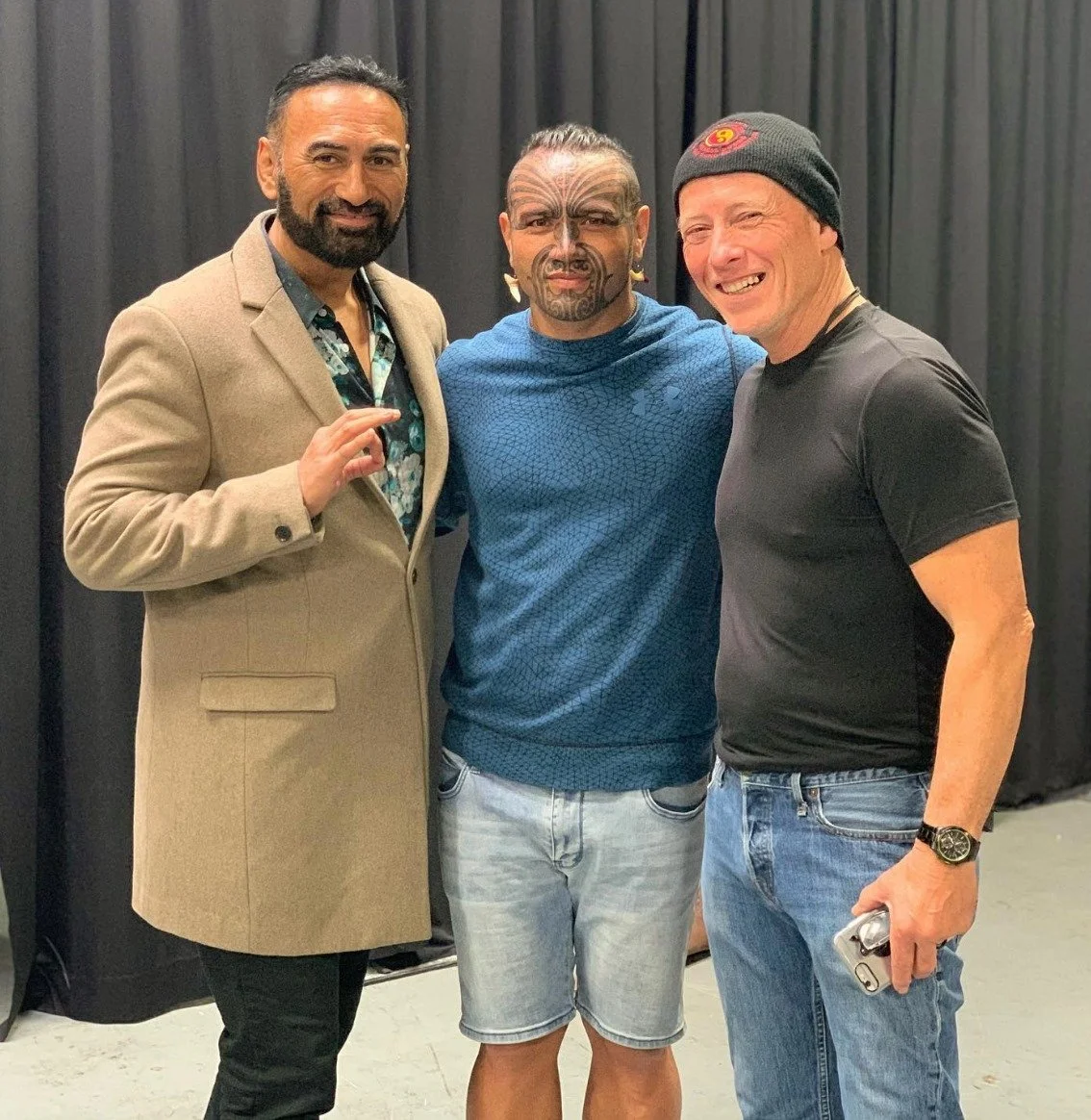
A focused field engagement with the Māori combative tradition — one of the most distinctive and culturally embedded weapon systems of the Pacific. Rongomātāne and the broader ecosystem of Māori martial arts (Mau rākau, taiaha, patu) have survived in recognisable form through the deep integration of combative practice with Māori cultural identity. This Contra Expedition engaged with practising lineage holders in Aotearoa New Zealand, producing technical documentation and oral history material that situates the tradition within its full cultural and cosmological context — not merely as a physical system but as a living expression of tino rangatiratanga.
Contra Expedition 02
Focused engagement · Italian blade tradition
A direct engagement with the Italian blade tradition through the work of master Domenico — a focused field documentation of both the technical vocabulary and the transmissional philosophy of Italian swordsmanship as a living practice. The Italian tradition carries one of the richest documented histories in European martial arts, and this Contra Expedition was designed to capture not only the technical system but the pedagogical intelligence of a specific master: how he understands the tradition, how he teaches it, and what he holds to be its essential and most endangered knowledge. The archive produced constitutes a precision record of living Italian blade practice in the hands of one of its serious custodians.
Contra Expedition 03
Focused engagement · Spanish Destreza tradition
A direct field engagement with the Destreza española tradition through the work of master Ton Puey — one of the most serious living custodians of the Spanish sword art. Destreza, the Spanish philosophical and geometrical approach to swordsmanship, carries a rich textual lineage from Destreza vulgar through the later highly theoretical treatises — but the living practice, as transmitted by a practitioner working from embodied lineage rather than reconstruction, offers a dimension of the tradition that no text can substitute. This Contra Expedition documented that living dimension: Ton Puey's technical vocabulary, his understanding of the tradition's core principles, and the interpretive framework he applies to the practice. The archive is a precision record of Destreza as a lived art.
Expedition 07
Regional expedition · American combative traditions
American bladecraft is a frequently overlooked domain of hoplological study — in part because its traditions are often embedded in folk culture, frontier history, and working-class communities that have not attracted serious scholarly attention, and in part because the most commercially visible American martial arts have obscured the distinctly indigenous combative traditions that developed across the continent. This expedition engaged with practising traditions of American knife and blade culture: the Bowie knife tradition in its Southern and frontier lineages, the Californio traditions of the Pacific Southwest, and the distinct combat knife cultures that developed through military and working-class transmission in the 20th century. The result is the first systematic hoplological field record of American bladecraft as a living combative tradition.
An Immersion Lab is not a seminar, a conference, or an event. It is a structured comparative inquiry built around a single question that no single tradition can answer alone. Masters and researchers are selected because their tradition holds part of an answer — not because of rank, fame, or affiliation. Every Lab runs over multiple days. Every Lab produces a published record. The gathering is never just the gathering.
The six Labs below represent the full comparative record to date. Each is identified by its central question and its output, not by its roster — which is the correct order of emphasis.
Each Lab is named for what it examined, not for who attended. The record is the work.
Lab 01
The inaugural Immersion Lab — the gathering that established the comparative methodology. Masters from blade traditions across multiple cultures convened around the foundational question: what does the blade, taken comparatively across civilizations, actually reveal about the cultures that made it central? Not the blade as object, but the blade as epistemological lens. The Lab established the framework of inquiry that would shape every subsequent gathering: rigorous in its structure, embodied in its method, published in its outcome.
Lab 02
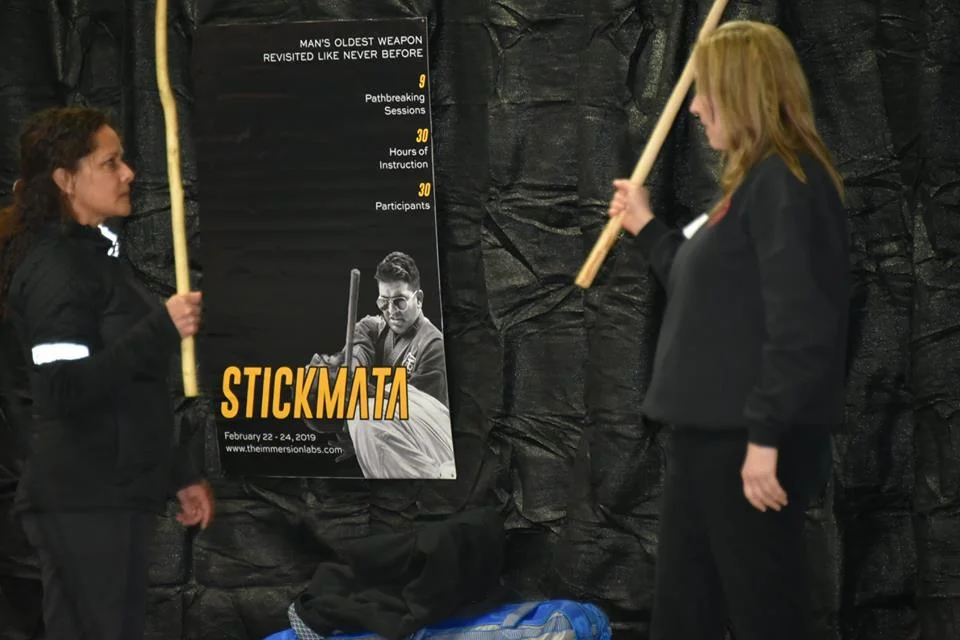
Drawing on the fieldwork underpinning the Book of the Stick, this Lab brought together masters and researchers from stick traditions across multiple continents to examine a question that comparative stick study makes visible: what is the relationship between the stick as weapon, the stick as ritual object, and the stick as cosmological symbol? The word Stickmata — a portmanteau of stick and stigmata — encodes the Lab's core inquiry: the sacred wound, the mark of the practice, the thing the stick leaves behind in the body and in the culture that carries it.
Lab 03
A comparative inquiry into the origins of martial traditions in blood — as ritual, as sacrifice, as initiation, as the substance through which combative identity is formed and transmitted. Every serious martial tradition has a relationship to blood that goes beyond injury. This Lab examined that relationship structurally: what does the presence or absence of blood in the ritual and ceremonial life of a tradition reveal about its deepest assumptions regarding violence, the body, and what combat is for? Traditions from three continents were represented, each illuminating something the others had no language for.
Lab 04
The direct successor to Born of Blood, this Lab narrowed and deepened the inquiry into the blade specifically: the relationship between the bladed weapon and the sacred across traditions that treat the blade as more than a tool. Filipino Arnis, Silat, Kalaripayattu, Krabi Krabong, and European longsword lineages were among the traditions represented. Each holds a distinct cosmological account of what the blade is — what it carries, what it demands, what it reveals about the person who has learned to use it with full seriousness. The Lab examined those accounts side by side, seeking the structures they share and the precise points at which they diverge.
Lab 05
A comparative inquiry into the psychology and physiology of combat: how traditions understand, cultivate, and weaponize the states of fear, overwhelm, and decisive force — and how they prepare practitioners to operate inside those states rather than be undone by them. The title is deliberately borrowed from military doctrine. The Lab examined the full spectrum: from the adrenal management of classical Japanese bujutsu, to the intimidation structures built into West African stick fighting, to the psychological architecture of Silat and its tradition of cultivating the capacity to act in conditions of extreme stress. What every serious tradition knows — and most training ignores — is that combat is not a technical problem. It is a psychological and physiological one.
Lab 06
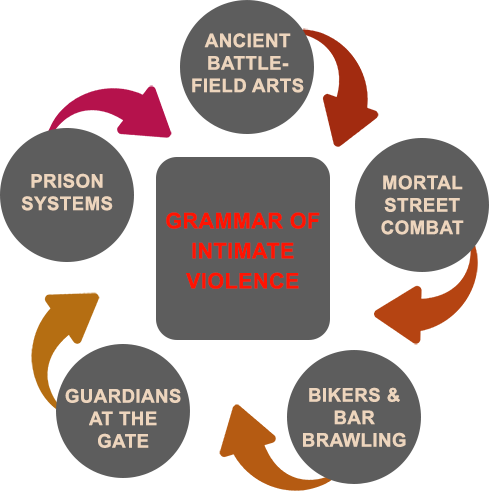
The most recent Immersion Lab and, in certain respects, the most methodologically ambitious: an examination of living folk combat traditions outside the classical lineage framework — the combative cultures of outlaw communities, working-class fighting traditions, motorcycle club culture, and the informal transmission networks through which street-level combat knowledge has been preserved and passed on outside any institutional structure. The Lab asked hoplology to do what it was always capable of but has rarely attempted: to treat contemporary vernacular combative culture with the same rigour it brings to classical Asian or European traditions. The fighters in these communities carry real and transmissible knowledge. They simply carry it in places the scholarly record has not previously gone.
TIF fieldwork depends on two things equally: the quality of the practitioner relationships we build, and the institutional support that makes sustained field research possible. Both are open.
TIF field teams can come to you. The expedition comes to the tradition — the tradition does not come to the expedition. If your practice is living and the field record is incomplete, we want to know about it.
The TIF archive, practitioner network, and comparative methodology are available for serious scholarly collaboration. Lab participation is open to researchers whose work advances the comparative question being examined.
Fieldwork, archival conservation, and long-form publication require sustained support. The Americas series is currently active and accepting dedicated expedition funding.
The Immersion Foundation · Archives
Every expedition and every Lab produces a record. The Archive is where that record is held, catalogued, and protected — built for the scholar working with this material in 2060 as much as the one working with it today.
Not a personal collection. A managed institutional archive with professional capture standards, redundant storage, and full metadata — designed to outlast the people who created it.
Most archives preserve artifacts. TIF preserves process — how a weapon is held, how a pattern is taught, what a master says when pressed about the part of their tradition they themselves are still uncertain about. These are materials most institutions do not know to collect, because most institutions are built to hold objects, not relationships captured in motion.
This distinction is not incidental. It is the entire premise of New Hoplology: combative knowledge lives primarily in bodies and in the relationship between teacher and student. A text or a static image can describe a technique. It cannot show the timing, the weight transfer, the micro-adjustments a master makes in response to a student's error, or the tone in which a tradition's deepest principle is spoken aloud for the first time. Capturing that requires a different standard of fieldwork — and a different standard of preservation.
The Archive is built to outlast us. It is not a personal collection. It is held according to long-horizon institutional standards, with the explicit intention that scholars working with this material in 2070 will find it as useful as scholars working with it today.
TIF captures field and remote material through two distinct production pipelines — built for two different conditions, held to the same archival rigor.
Dedicated audio capture independent of camera systems — lavalier and boom microphones, controlled-environment recording wherever field conditions allow. No interview is conducted without a deliberate audio plan.
Redundant off-site backup across multiple locations. Professional media management with full chain-of-custody logging from capture to archive. No material lives on a single drive.
Every file is catalogued with location, date, practitioner, tradition, and context notes at the point of capture — not reconstructed afterward. This is what makes the Archive usable for scholarship decades later.
Full practitioner consent records and cultural context documentation accompany every session. Material is never extracted from the relationships and permissions that made it possible to record.
The Archive holds several distinct categories of material, gathered through expeditions, Labs, and remote sessions. Each category is preserved to the same institutional standard.
The Archive is organized into discrete collections, each tied to a specific expedition, Lab, or research initiative.
Sticklicking, Kalinda, Gilpin, and Rope Jab — full expedition footage, oral histories, and technical documentation from Trinidad and the Eastern Caribbean.
Jogo do Pau and related Portuguese combative traditions — full technical capture from practising lineages.
Over 90 hours of 4K footage across Thailand, Malaysia, Cambodia, and Indonesia, including the most comprehensive existing Bokator technical record.
Focused single-master and single-tradition material: Rongomātāne (New Zealand), Italian blades with Domenico, and Iberian Destreza with Ton Puey.
Full multi-camera proceedings from all six Immersion Labs, from The Legacy of the Blade through Bikers, Brawlers and Badasses.
Hundreds of hours of remote master and scholar interviews, recorded in 4K via Riverside, reaching practitioners outside the geographic range of any single expedition.
American bladecraft traditions — Bowie, Californio, and 20th-century working knife cultures, documented as a living combative tradition.
Capoeira Angola, Maculelê, and related diaspora traditions across Brazil, Cuba, Haiti, and Colombia. First field season complete; series ongoing.
The Archive is not a single deposit — it is the accumulated output of every expedition, every Lab, and every legacy research initiative TIF has undertaken. The list below is the complete index: what each project was, and specifically what it added to the institutional record.
The Immersion Archive is available to credentialed researchers, affiliated institutions, and partner organizations. If you hold materials we should know about — manuscripts, footage, correspondence — we want to hear from you.
Affiliated researchers and institutions may request access to specific collections for study, citation, and comparative work.
Museums, universities, and cultural institutions holding related material are invited to discuss collaborative preservation.
If you hold materials related to a tradition not yet documented, or wish to contribute to an existing collection, contact the Archive team directly.
The Immersion Foundation · Publications
Every expedition and every Lab is built toward a published outcome. We do not produce a content stream. We complete arcs — books, journal articles, and films that remain useful decades after the moment of capture.
A field team that does not publish is not contributing to scholarship — it is collecting souvenirs. TIF treats publication as the obligation that closes the loop on fieldwork: every hour in the field, every Lab convened, is owed a finished, citable, durable output.
That standard shapes what TIF publishes and how. Long-form work — books, peer-reviewed journal articles, documentary film — rather than episodic content calibrated for engagement metrics. Material built to be read, cited, and used by a researcher who was not in the room, possibly decades from now.
A new standard in
martial arts literature
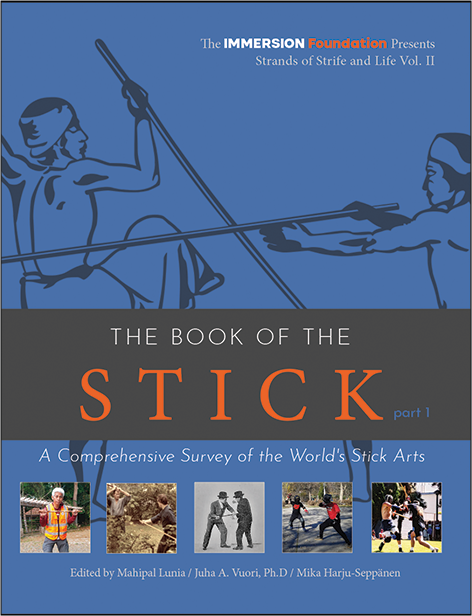
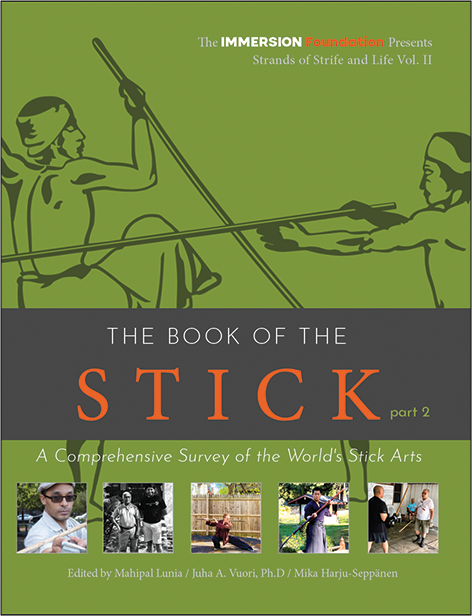
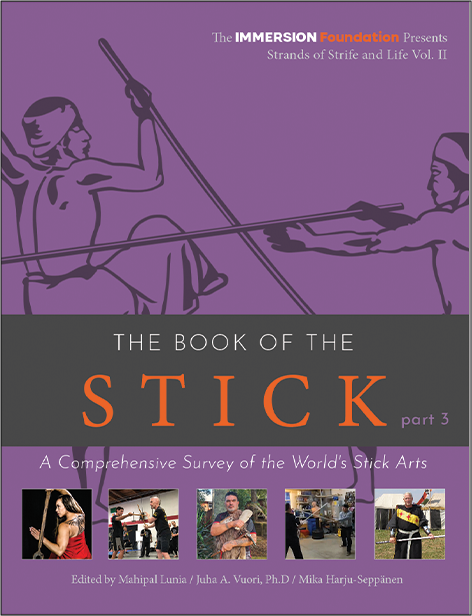
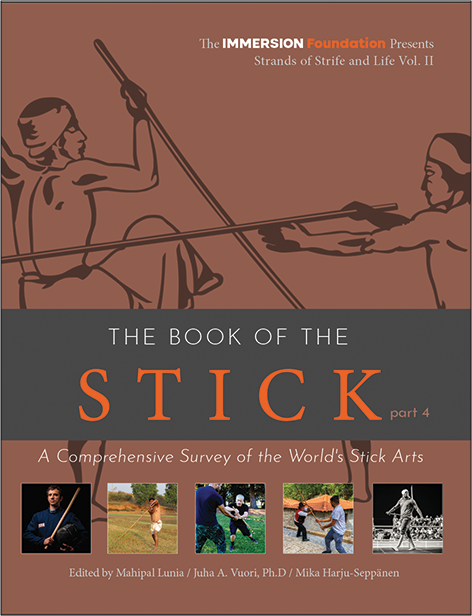
The most comprehensive hoplological study of a single weapon family ever published. Co-edited with Juha Vuori and Mika Harju S., the Book of the Stick draws directly on the Caribbean, Portugal, and South East Asian expeditions and the Stickmata Lab — distilling years of field documentation into a four-volume scholarly and visual record of stick traditions across the world.
"Seven years in development. Not because the work was slow — because the work was complete. Thirty-plus countries and regions. Every tradition we could responsibly reach."
A philosophical study of the warrior path as developmental arc — drawing on more than twenty years of fieldwork, scholarship, and practice to examine what the world's combative traditions, taken together, reveal about the deeper structures of human development and meaning-making. Currently in manuscript.
Contributions to martial arts studies, anthropology, cultural studies, and history journals — the record that situates TIF fieldwork within the wider scholarly conversation.
Hundreds of hours of expedition and Lab footage — captured on Blackmagic URSA 4K in the field and Riverside 4K for remote sessions — are being shaped into a series of long-form documentary films. Films are outcomes of research, not promotional material. They are not episodes. They are complete works.
The visual companion to Secret Fighting Arts of the Americas, drawn from 60+ hours of expedition footage.
A documentary on the reconstruction of Bokator from the South East Asian Expedition footage.
A documentary survey drawing on the full proceedings archive of all six Immersion Labs.
A film treatment of the American Bladecraft expedition — Bowie, Californio, and 20th-century working knife traditions.
TIF publications are available through standard academic and retail channels. Researchers seeking pre-publication access, review copies, or citation support should contact the publishing office directly.
TIF researchers are available for journal contributions, special issues, and editorial collaboration on hoplological and comparative martial arts subjects.
The Book of the Stick and forthcoming titles are open to translation and co-publication discussions with serious academic and trade publishers.
Select material from the Film Archive is available for licensed use in academic and documentary contexts, subject to practitioner consent terms.
The Immersion Foundation · About
The Immersion Foundation is a research foundation dedicated to the documentation, preservation, and publication of global combative knowledge — built to do work that matters beyond any single practitioner, teacher, or generation.
Combat knowledge — how humans have fought, trained, and made meaning around violence — is among the least systematically documented bodies of human culture. The traditions that carry this knowledge are disappearing faster than any institution has been recording them.
The Immersion Foundation exists to change that. Through field expeditions, archive conservation, comparative Labs, and long-form publication, TIF is building the record that the 19th and 20th century pioneers of hoplology never had the institutional support to complete.
This is New Hoplology: lineage-aware, field-grounded, and future-facing. It honors Burton and Draeger not by repeating them, but by going further — into the rooms they pointed at and could not reach.
Hoplologist · Author · TEDx Speaker
Explorer-in-Residence, The Immersion Foundation
Mahipal Lunia Sensei is a hoplologist, TEDx UCLA speaker, published author of six books, and Silicon Valley technologist with deep expertise in martial arts documentation, preservation, and publishing. He holds the title Explorer-in-Residence at The Immersion Foundation and is the founder and lead teacher of the Two Mountains Immersion Institute.
His approach refuses the separation between scholarship and practice. The work begins in the body — in direct contact with living masters, on the mat, in the field — and moves from there into the archive and the page. He is a practitioner first, because that is the only methodology that earns access to what most needs preserving.
His intellectual influences span Gurdjieff, Bateson, Ericsson, Damasio, and Keltner alongside classical warrior texts — a school of thought that blends warrior-scholar inquiry with peer-reviewed research. He is the author of six books, including the four-volume Book of the Stick and the forthcoming The Journey of Becoming Human, and hosts a podcast exceeding 225 episodes and millions of downloads.
The Immersion Foundation does not operate a martial arts school. Several of our researchers, including the founder, teach independently at their own academies — personal teaching practices that predate TIF and remain organizationally separate from it. What that teaching built, over two decades of small, intimate classes, was something the Foundation depends on but does not itself provide: deep practitioner relationships, embodied teaching method, and a philosophical orientation now carried into TIF's field research.
Menkyo Kaiden — full transmission lineage holder. A primary teacher in the development of the founder's own training and teaching philosophy.
A second key lineage figure whose teaching shaped the founder's approach to embodied transmission and practice depth.
We begin where people actually train and fight — in the places the knowledge still lives in bodies and communities, not in secondary literature or reconstructions.
The work must hold up in a peer-reviewed journal and still make sense at the edge of a training mat. We refuse the false choice between scholarly depth and human clarity.
We finish what we start. Every expedition has a report. Every archive has a conservation outcome. Every Lab has a published record. We complete arcs — we do not feed a stream.
We honor the road behind us — Burton, Draeger, and every tradition that survived to be documented — while building a record for those who come later.
We approach every tradition — including our own — with deep respect and no uncritical reverence. The field advances through honest inquiry, not hagiography.
If you carry a living tradition — particularly one rarely documented — we want to know. TIF's field teams can come to you. Your tradition belongs in the record.
Make contact →If you work in hoplology, martial arts studies, anthropology, or related fields — TIF's archive, network, and comparative methodology are available for collaboration.
Request collaboration →Fieldwork, archive conservation, and scholarly publication require sustained institutional support. If your organization shares this commitment, we invite conversation.
Support the work →For field research inquiries, archive access, Lab participation, scholarly collaboration, or support conversations — all correspondence is read and considered.
The Two Mountains Immersion Institute, where the founder and several team members teach, is a separate, independently run academy in Mountain View and Los Gatos, California — not a program of The Immersion Foundation. It is where the practice and relationships that inform TIF's field methodology were built over twenty years, but it operates under its own roof.
That academy follows a gurukul model — small classes, deep transmission, never more than 12 students — and similar independently-run lineage schools extend it into South Dakota, Texas, Mexico, and Arizona. None of these are Foundation programs; they are where our researchers happen to teach.
The Immersion Foundation · Team
A small team, by design. Fieldwork of this kind cannot be scaled by adding headcount — it requires depth of practice, depth of relationship, and time. This is who is doing it.
Hoplologist · Author · TEDx Speaker
Explorer-in-Residence, The Immersion Foundation
Mahipal Lunia Sensei founded The Immersion Foundation after two decades of teaching, fieldwork, and writing convinced him that no existing institution was positioned to do what the field of hoplology actually required. He leads the Foundation's expeditions, Labs, and publishing program, and remains an active practitioner — the methodology he insists on for every researcher who joins the work.
He is the author of six books, including the four-volume Book of the Stick, a TEDx UCLA speaker, and host of a podcast exceeding 225 episodes. He teaches independently at the Two Mountains Immersion Institute in Mountain View and Los Gatos, California — a separate academy, not a Foundation program.
TIF is led by a small standing team of researchers and operators, supported by a wider network of co-researchers, translators, and local fixers engaged per expedition.
Hana Shin
Director of Operations & Publications
Oversees the Foundation's day-to-day operations and leads the publishing program — from manuscript development through the production of the Book of the Stick series and forthcoming titles.
Kuntal Shah
Director of Archives & Media
Manages the Foundation's archival infrastructure — field footage, oral histories, and legacy materials — and oversees the media pipeline from Blackmagic URSA and Riverside capture through long-term preservation.
T.J. Obi
Scholar & Ambassador
Represents the Foundation's research and relationships with practitioner communities and partner institutions, and contributes to TIF's comparative scholarship.
Juha Vuori
Scholar & European Branch Operations
Co-editor of the Book of the Stick and lead for TIF's research and field relationships across Europe, including the Portugal Expedition and the Contra Expeditions in Italy and Iberia.
Mika Harju-S.
Scholar
Co-editor of the Book of the Stick and contributing researcher to TIF's comparative hoplological scholarship.
TIF's elders are not ceremonial. Each brings a specific and irreplaceable domain of knowledge — a lineage held, a tradition carried — that shapes how the Foundation approaches its research. Their counsel is particular, not general.
Michael Belzer
Elder, Hoplology Projects
Domain: Donn F. Draeger, Richard Hayes, and Japan. Carries direct knowledge of the Draeger methodological lineage and the classical Japanese and broader Asian traditions that formed the field's foundation.
James A. Keating
Elder, Hoplology Projects
Domain: Richard F. Burton, swords, and global perspective. Brings a broad comparative view of blade traditions and their historical and philosophical dimensions, rooted in Burton's foundational hoplological frame.
Srinivasan Sastri
Elder, Hoplology Projects
Domain: Principles and one's own way. Menkyo Kaiden lineage holder whose teaching shaped the founder's training philosophy. His counsel to the Foundation concerns the deep principles of practice, transmission, and what it means to develop a genuine personal path.
Jerry Walker
Elder, Polynesian Projects
Domain: Polynesian combative traditions. Guides TIF's work in the Pacific — the traditions, lineages, and field relationships that make serious documentation of Polynesian martial heritage possible.
Fieldwork of this kind does not scale through headcount. It scales through depth — of practice, of relationship, and of time spent earning trust before a camera is ever raised.
Every researcher who conducts field interviews trains in at least one tradition seriously. Access is earned through practice, not credentials alone.
Expedition teams return to the same communities across multiple visits. Trust is not assumed; it is built over years, not a single shoot.
Every researcher, translator, and collaborator is credited in the published output their work supported — the Archive does not anonymize labor.
TIF is not hiring at scale. It is occasionally looking for the right person — a researcher, a translator, a field producer — for a specific expedition or Lab.
Get in Touch →The Public Labs
The Immersion Labs bring rare teachers, guarded arts, and working practitioners into one place for focused, field-grounded study.
Meet the ambassadors, explore the sessions, and discover the experiences that shaped each Lab.
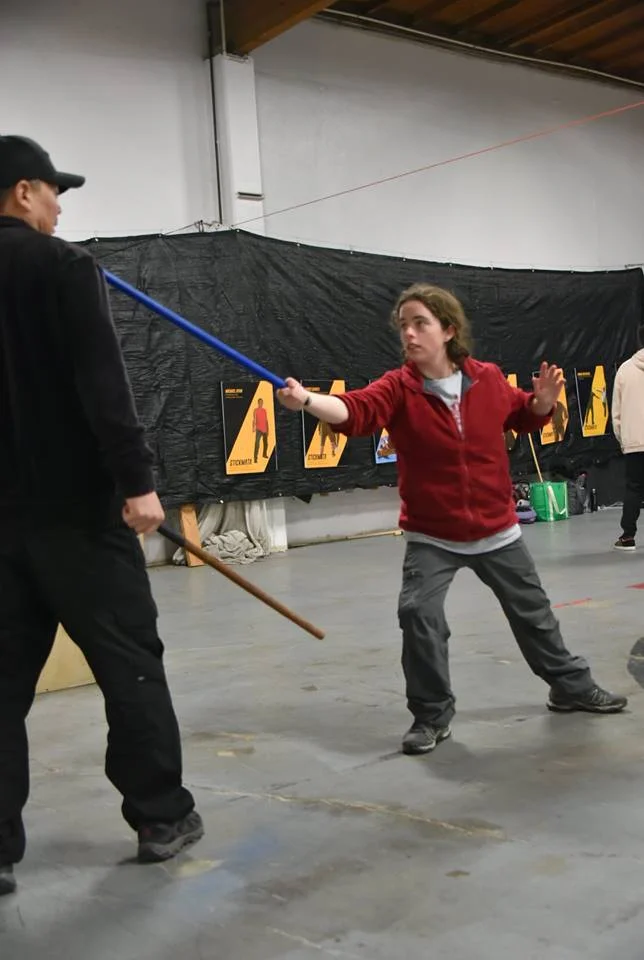
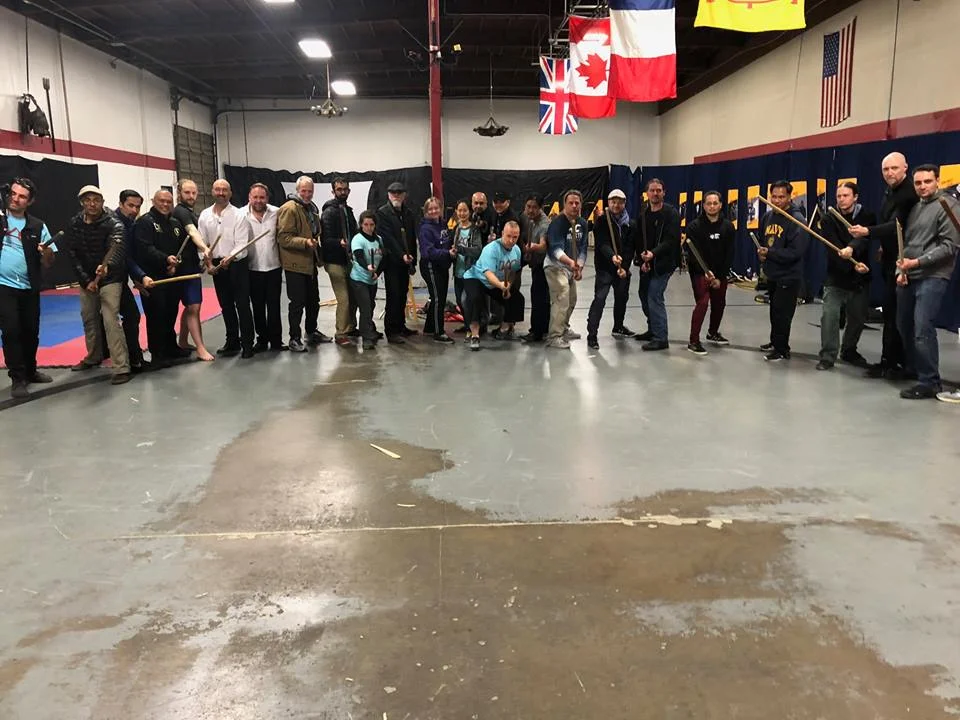
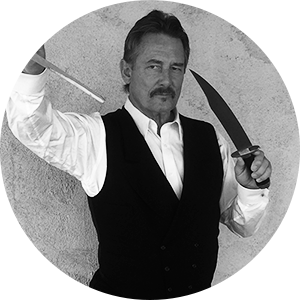
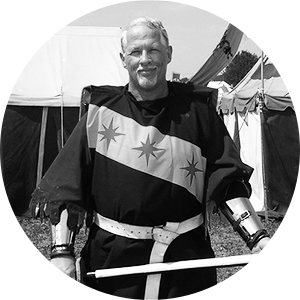
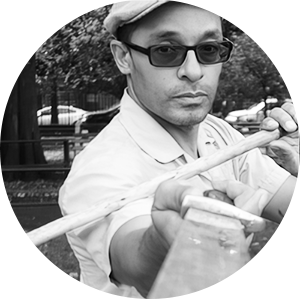
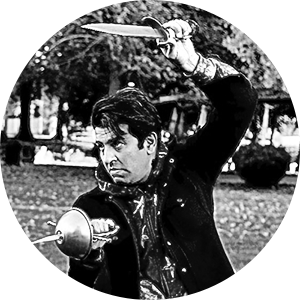
The first Immersion Lab: a no-frills laboratory for exploring blade concepts from around the world.
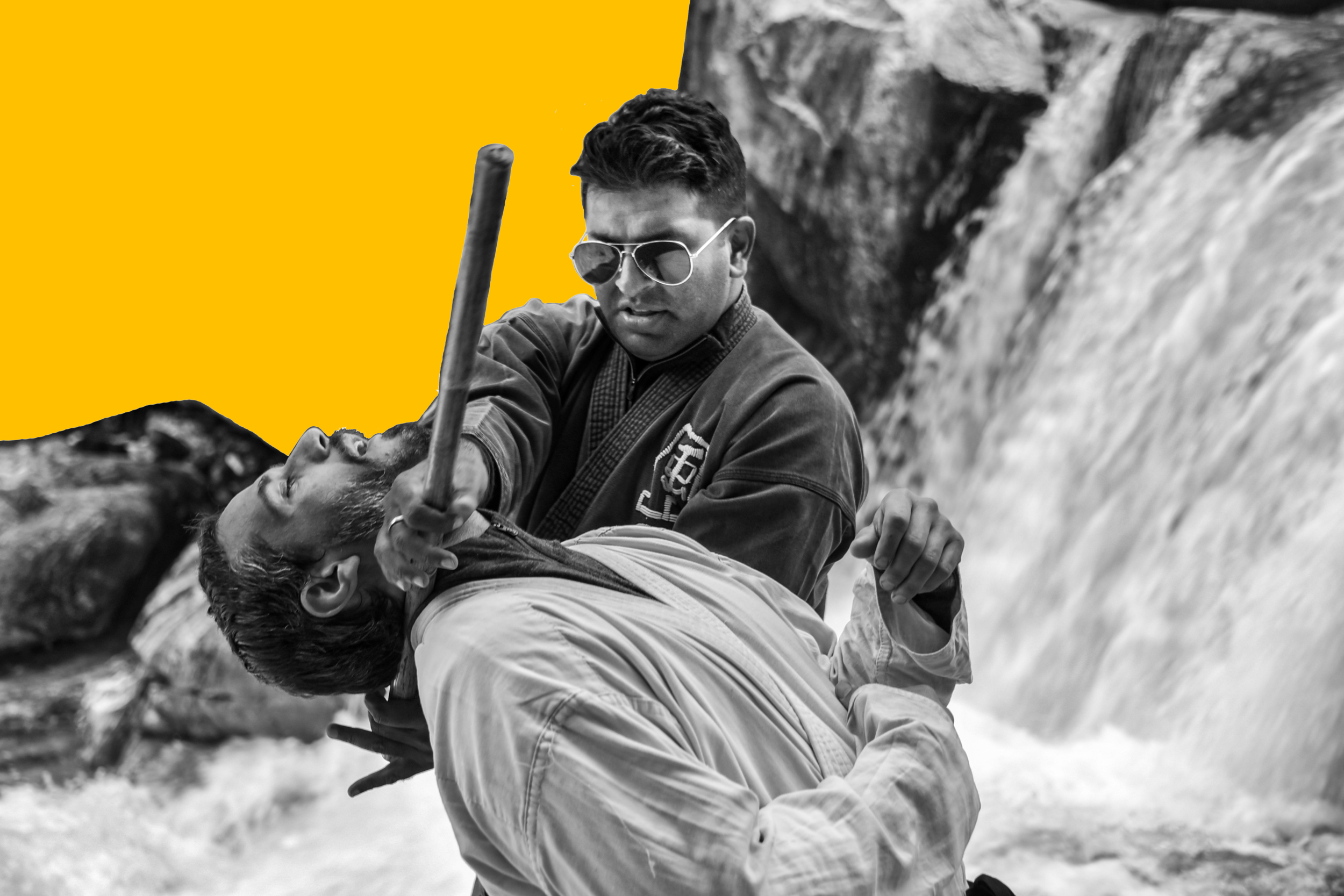
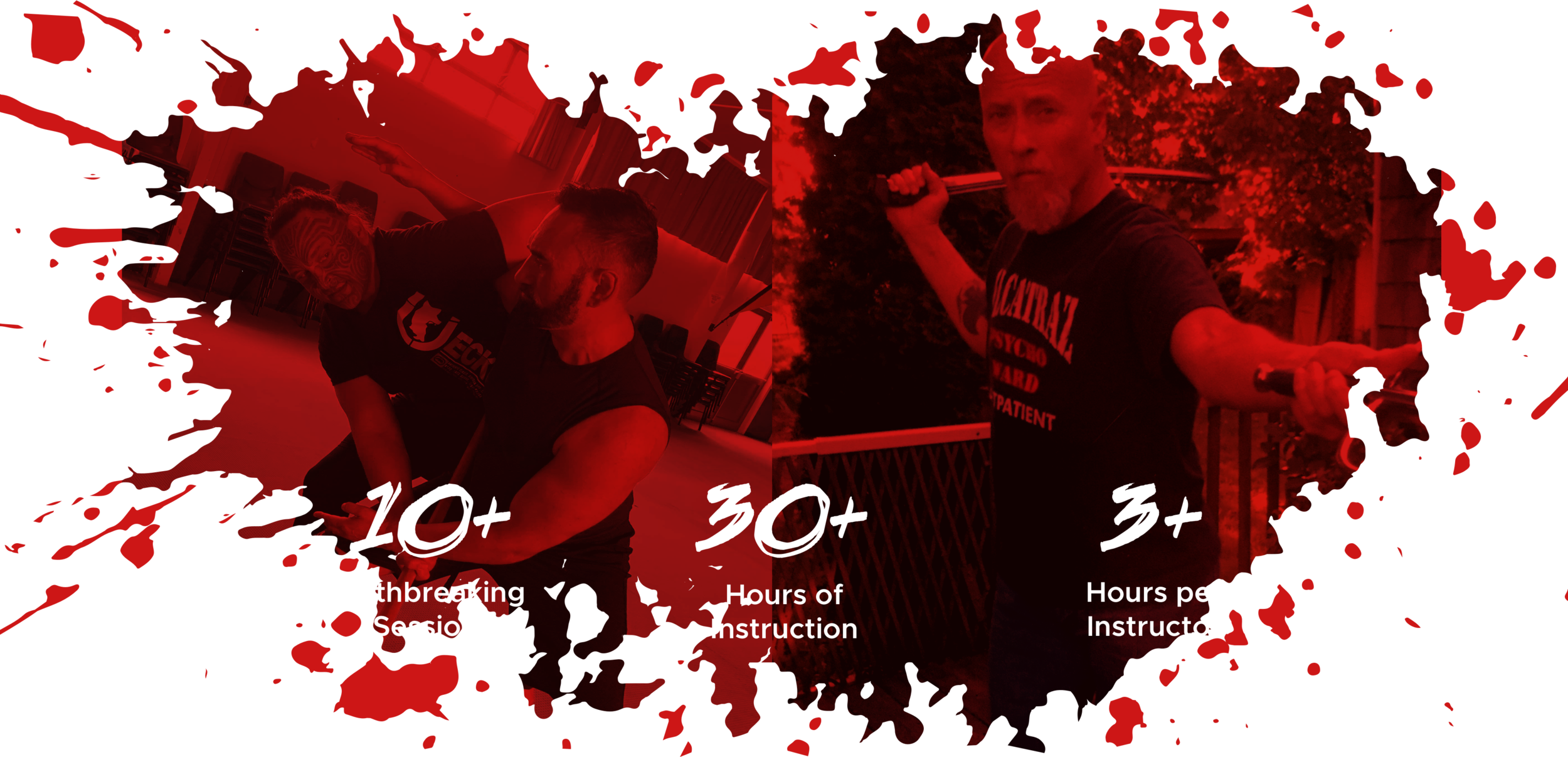
A global stick-fighting lab built around pathbreaking sessions, exquisite collaboration, and deep immersive learning.
A three-day exploration of battlefield and bloodline arts from Southeast Asia, Polynesia, the Caribbean, and beyond.
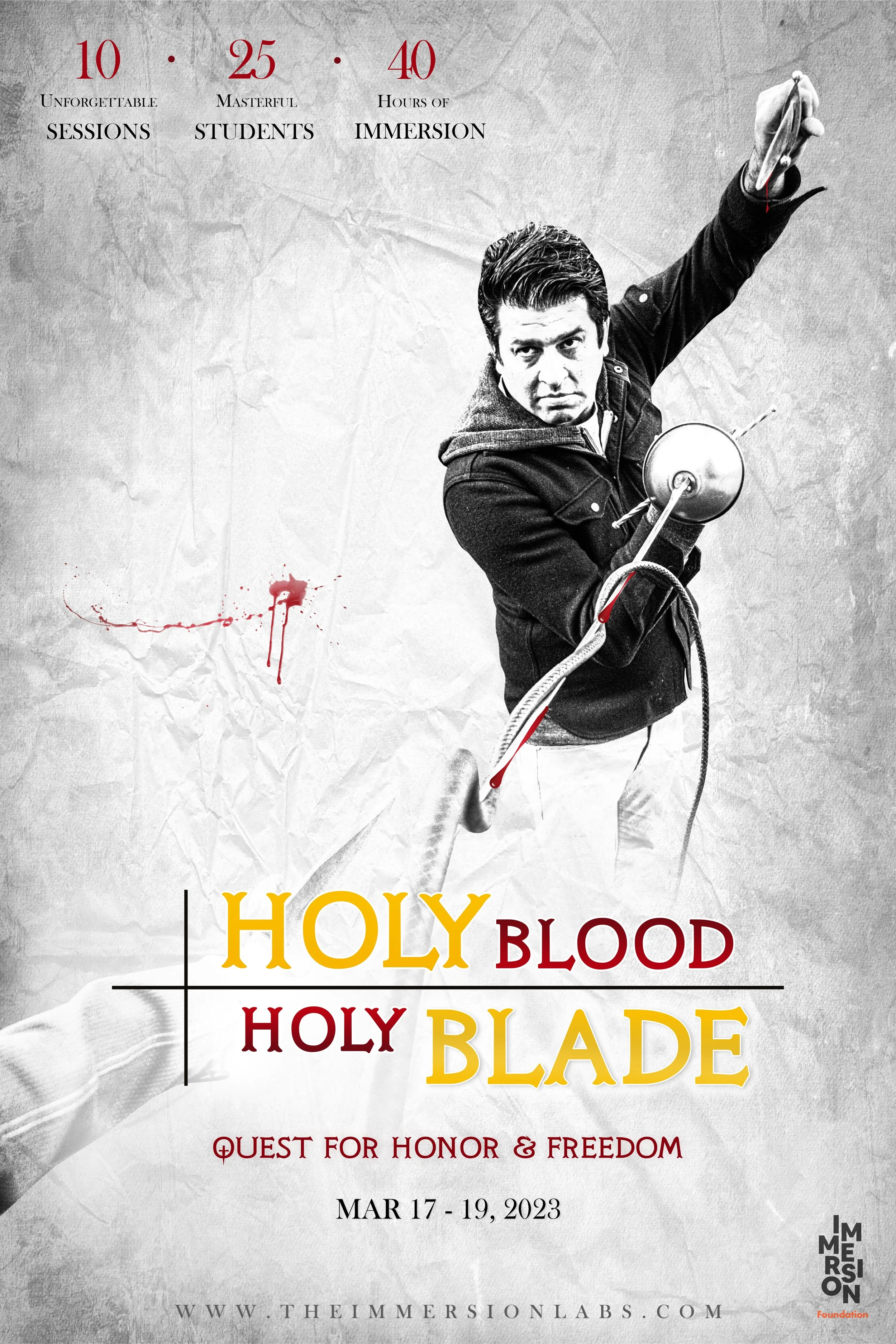
A Western blade-focused journey across continents, guarded arts, and battle-tested edged-weapon strategies.
A lab on speed: from pre-fight perception to post-victory control, across arts, weapons, and countries.
When there is chaos and deep violence all around, this lab asks what one is to do and extracts principles from very different sources.
2018



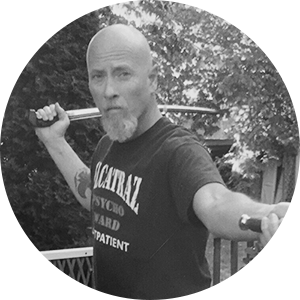
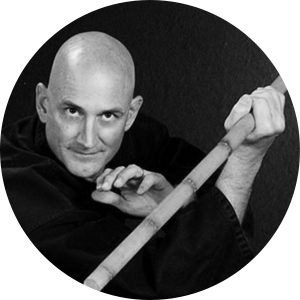
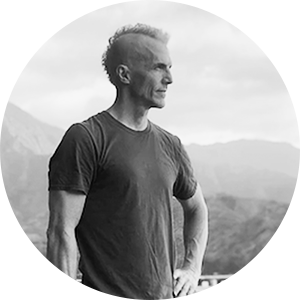
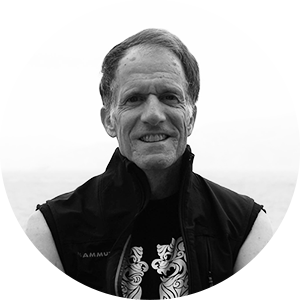
"Crafty Dog" Marc Denny
Mark Stewart
World of Martial Arts TV
Martin Wheeler
JJ Hervas
Brian Cannata
Mark Mikita
Burton Richardson
Henri-Robert Vilaire
Ron Saturno
Karimbit, Kris, Espada, Daga, Kudu Knife, Visayan Sword, Sickle, Bolo, Italian Blades, Tanto, Polynesian Blades and Mexican Street Knifes/Shanks
Chairman & CEO The Immersion Labs Foundation™